
Walk into almost any room, and your eyes are naturally drawn to the walls, the furniture, the lighting fixtures, or the artwork. Rarely does the floor get the same level of attention. Yet, the floor is the foundation of every space-literally and figuratively. It sets the tone, influences the mood, and even affects how a room feels underfoot. So why does flooring often get sidelined in the design process?
The Silent Foundation: Flooring’s Subtle Role in Design
Floors don’t shout for attention. Unlike a bold piece of furniture or a striking wall color, flooring tends to blend into the background. This subtlety is a double-edged sword. On one hand, it allows the floor to support other design elements without competing with them. On the other, it means many people forget to give it the thought it deserves.
Consider a room with beautiful walls and stylish furniture but a mismatched or worn-out floor. The entire space feels off, even if the other elements are top-notch. Flooring anchors the room, and when it’s neglected, the whole design can feel unfinished or disjointed. The right flooring can create a sense of continuity and flow, guiding the eye through the space and enhancing the overall aesthetic. For instance, a seamless transition from hardwood in the living area to tile in the kitchen can create an inviting and cohesive environment that feels intentional rather than haphazard.
Why Floors Often Get Overlooked
One reason is that flooring is seen as a purely functional element. People often think of floors as something to stand on, not as a design opportunity. This practical mindset can overshadow the creative potential floors have. Beyond just utility, flooring can express personal style and set the tone for the entire room. Textured carpets can evoke warmth and comfort, while sleek tiles can impart a modern, sophisticated vibe. The choice of material, color, and pattern can dramatically influence how a space feels and functions, making it essential to consider these factors carefully.
Another factor is cost and effort. Installing or upgrading flooring can be expensive and disruptive. Homeowners might prioritize paint or furniture because those changes feel easier and less permanent. Unfortunately, this mindset can lead to floors that don’t complement the rest of the space. Moreover, the array of flooring options available today from eco-friendly bamboo to luxurious marble—can be overwhelming. Each material carries its own set of maintenance requirements and aesthetic qualities, which can complicate decision-making. Yet, investing in the right flooring can yield long-term benefits, enhancing not only the beauty of the home but also its value. When thoughtfully chosen, flooring can become a defining characteristic of a space, telling a story that resonates with both residents and visitors alike. For expert guidance, explore the following link to Molecule Designs: https://www.moleculedesigns.co.uk/
How Flooring Shapes the Feel of a Room
Flooring does more than just support furniture. It influences the entire atmosphere of a room. The texture, color, and material of a floor can evoke different moods and styles.
Warmth and Comfort
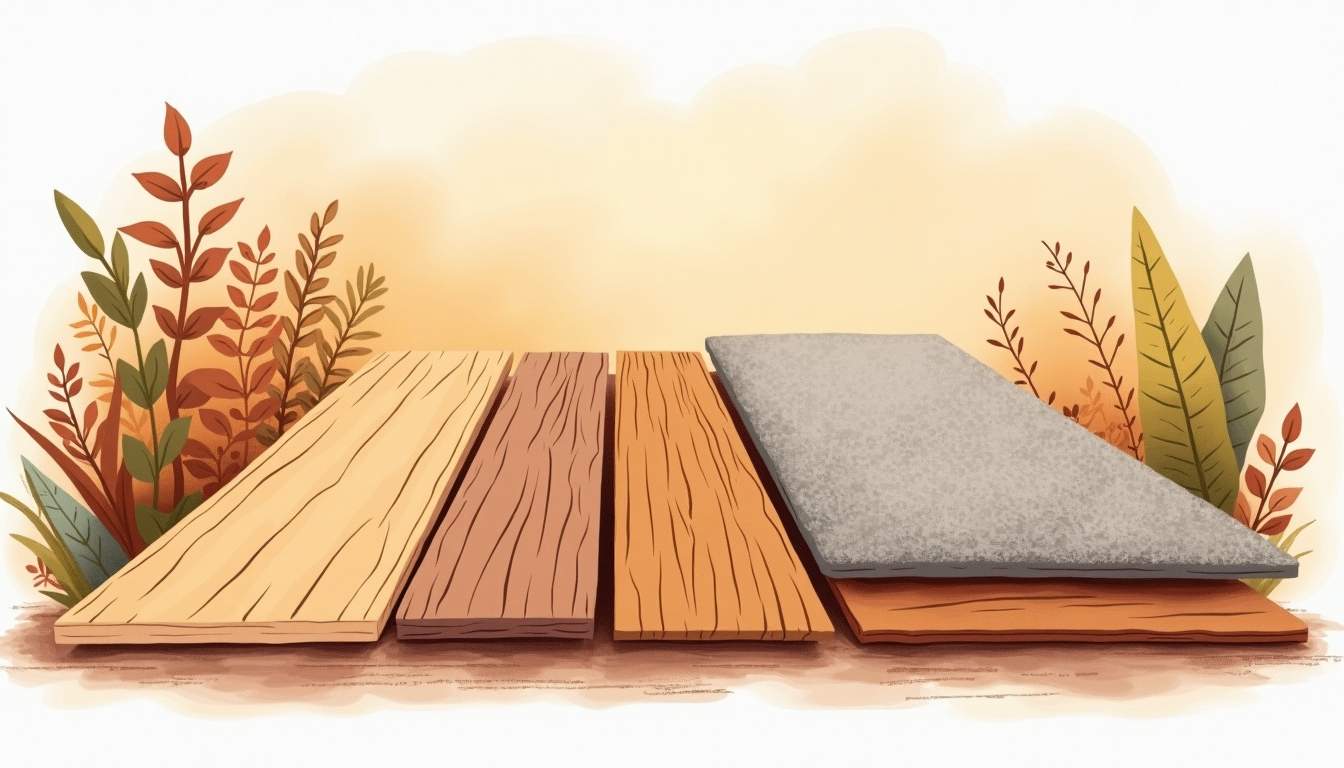
Wood floors, for example, bring warmth and natural beauty. The grain patterns and rich tones create a cozy, inviting environment. Soft carpets add comfort and sound absorption, making spaces feel more intimate and quiet.
On the other hand, tile or stone floors can feel cool and sleek, perfect for modern or minimalist interiors. They’re practical in high-traffic or moisture-prone areas like kitchens and bathrooms but can also add a touch of elegance when chosen thoughtfully. The choice of grout color and tile size can further enhance the aesthetic, allowing homeowners to customize their space to reflect personal style while maintaining functionality.
Visual Flow and Space Perception
Flooring can also influence how large or small a room feels. Light-colored floors tend to open up a space, making it appear bigger and airier. Dark floors, while rich and dramatic, can make a room feel cozier or even smaller if not balanced with lighter elements.
The direction of floorboards or tile patterns can guide the eye and create movement. Long planks running the length of a room can elongate the space, while diagonal patterns add dynamic interest. Additionally, the use of area rugs can help define spaces within an open floor plan, creating cozy nooks while still allowing for a cohesive flow throughout the home. The interplay of different flooring types in adjacent areas can also enhance the overall design, making transitions feel intentional and stylish.
Common Flooring Mistakes That Hurt Design
Ignoring flooring or making poor choices can undermine even the most carefully planned interiors. Here are some pitfalls that often go unnoticed.
Choosing Flooring Last
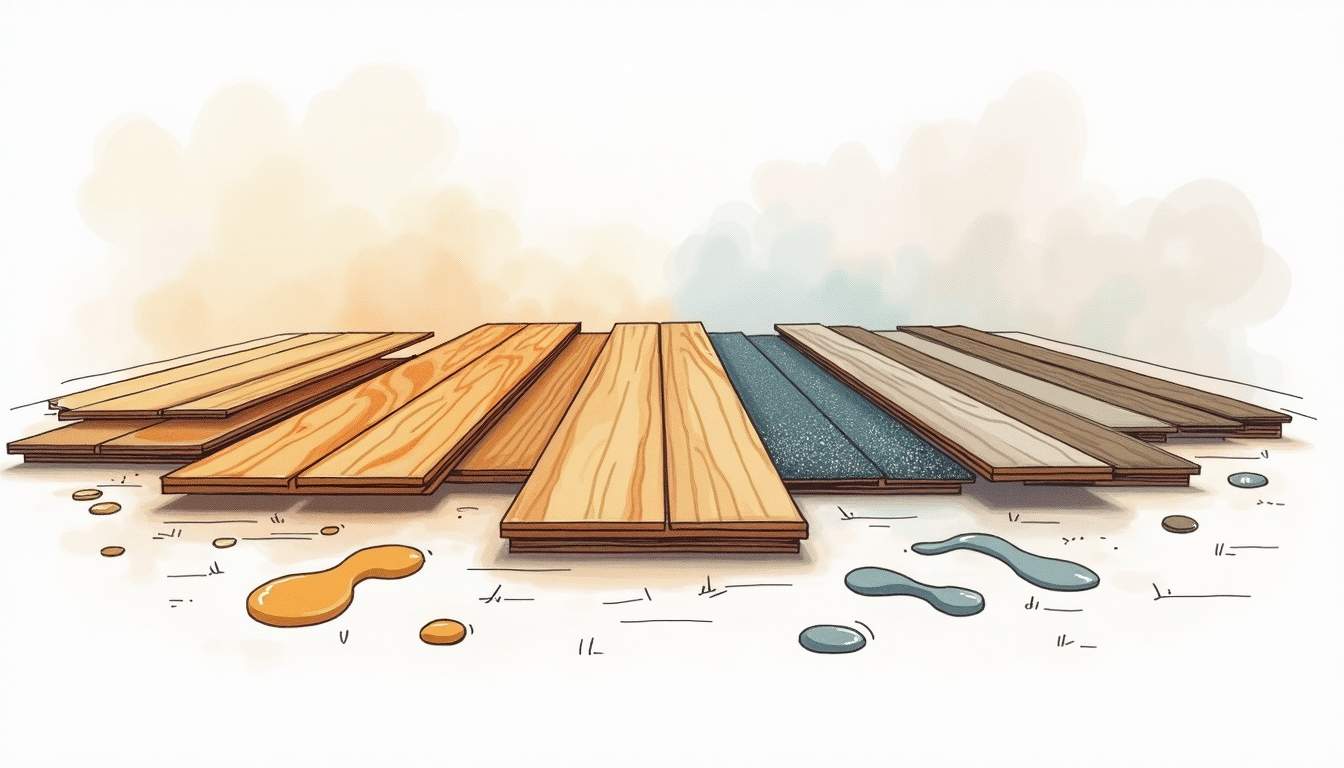
Many people pick flooring after selecting furniture and paint colors. This approach can lead to clashes or missed opportunities. Flooring should be one of the first decisions because it influences the entire palette and style. By prioritizing flooring, homeowners can create a cohesive look that harmonizes with other design elements. For instance, a light, airy floor can enhance the brightness of a room, while darker tones can add depth and warmth, setting the stage for furniture and decor choices that complement rather than compete.
Ignoring Durability and Function
Design matters, but so does practicality. A beautiful hardwood floor might not be the best choice for a busy kitchen or a home with pets. Overlooking the function of a space can result in floors that wear out quickly or require constant maintenance, which detracts from the overall design experience. It’s essential to consider the lifestyle of the inhabitants when selecting flooring; for example, luxury vinyl tile offers the look of wood or stone with added durability and ease of cleaning, making it a smart choice for high-traffic areas. Additionally, understanding the specific needs of each room can lead to better decisions, such as using slip-resistant tiles in bathrooms or moisture-resistant laminate in basements.
Overly Trendy Choices
Jumping on the latest flooring trend without considering timelessness can backfire. Trends come and go, but flooring is a long-term investment. Choosing styles that won’t age well can date a room quickly and require costly updates. Instead, homeowners should look for a balance between trendy elements and classic designs. For instance, while herringbone patterns may be in vogue, opting for a neutral color palette can ensure that the floor remains stylish for years to come. Moreover, incorporating trendy accents, such as area rugs or decorative tiles, allows for a fresh look without committing to a full floor overhaul, providing flexibility to adapt to changing tastes over time.
How to Make Flooring a Design Priority
Giving flooring the attention it deserves doesn’t have to be overwhelming. With a little planning and insight, it can become one of the most rewarding parts of designing a space.
Start Early in the Design Process
Think about flooring before choosing paint or furniture. This sets a strong foundation for your color scheme and style direction. For example, if you select a warm oak floor, you might lean toward earth tones and natural textures in the rest of the room. Additionally, considering the type of flooring can influence the overall ambiance of the space. A sleek, polished concrete floor might evoke a modern industrial feel, while a cozy, plush carpet can create a sense of warmth and comfort, perfect for a family gathering area.
Balance Style and Function
Consider how the room will be used. High-traffic areas need durable materials, while bedrooms might prioritize comfort. Don’t sacrifice practicality for looks, but don’t ignore aesthetics either. There are plenty of options that combine both. For instance, luxury vinyl planks offer the look of hardwood while being resistant to scratches and moisture, making them ideal for kitchens and entryways. Furthermore, understanding the maintenance requirements of different flooring types can help ensure that your choice remains beautiful and functional for years to come.
Use Flooring to Add Character
Flooring can be a statement piece. Patterned tiles, reclaimed wood, or bold colors can inject personality into a room. Even subtle choices like the finish or plank width can make a big difference. For example, wide planks can create a more spacious feel, while intricate tile patterns can serve as a focal point in a smaller area, such as a bathroom or kitchen backsplash. Additionally, mixing different flooring types within an open-concept space can help define areas and add visual interest, allowing for a seamless transition between zones while maintaining a cohesive look.
Layer with Rugs for Flexibility
Area rugs are a great way to add texture, color, and warmth without committing to a permanent change. They also protect floors and can be swapped out seasonally or as tastes evolve. Beyond aesthetics, rugs can also serve practical purposes, such as sound absorption in busy households or providing a soft surface for children to play on. When layering rugs, consider the scale and pattern to ensure they complement rather than clash with the flooring beneath. Mixing a bold, geometric rug with a more subdued floor can create a dynamic visual contrast that enhances the overall design of the space.
The Lasting Impact of Thoughtful Flooring
When flooring is treated as a vital design element, it elevates the entire space. It creates harmony, supports the room’s function, and enhances comfort. Floors have the power to transform a house into a home.
Ignoring flooring means missing out on a huge opportunity to shape the way a space feels and functions. Next time a design project begins, take a moment to look down. The floor beneath your feet might just be the secret ingredient your space has been missing.




