
Air conditioning units are essential for maintaining comfort during hot months, but like any mechanical system, they require regular maintenance and occasional part replacements. One component that often goes unnoticed until it fails is the AC capacitor. Understanding when and why to replace your AC capacitor can save you from costly repairs and ensure your system runs efficiently.
What Is an AC Capacitor and What Does It Do?
The AC capacitor is a small but vital component inside your air conditioning unit. It stores electrical energy and releases it to help start and run the compressor and fan motors. Essentially, it provides the initial jolt of electricity needed to get these motors moving and keeps them running smoothly.
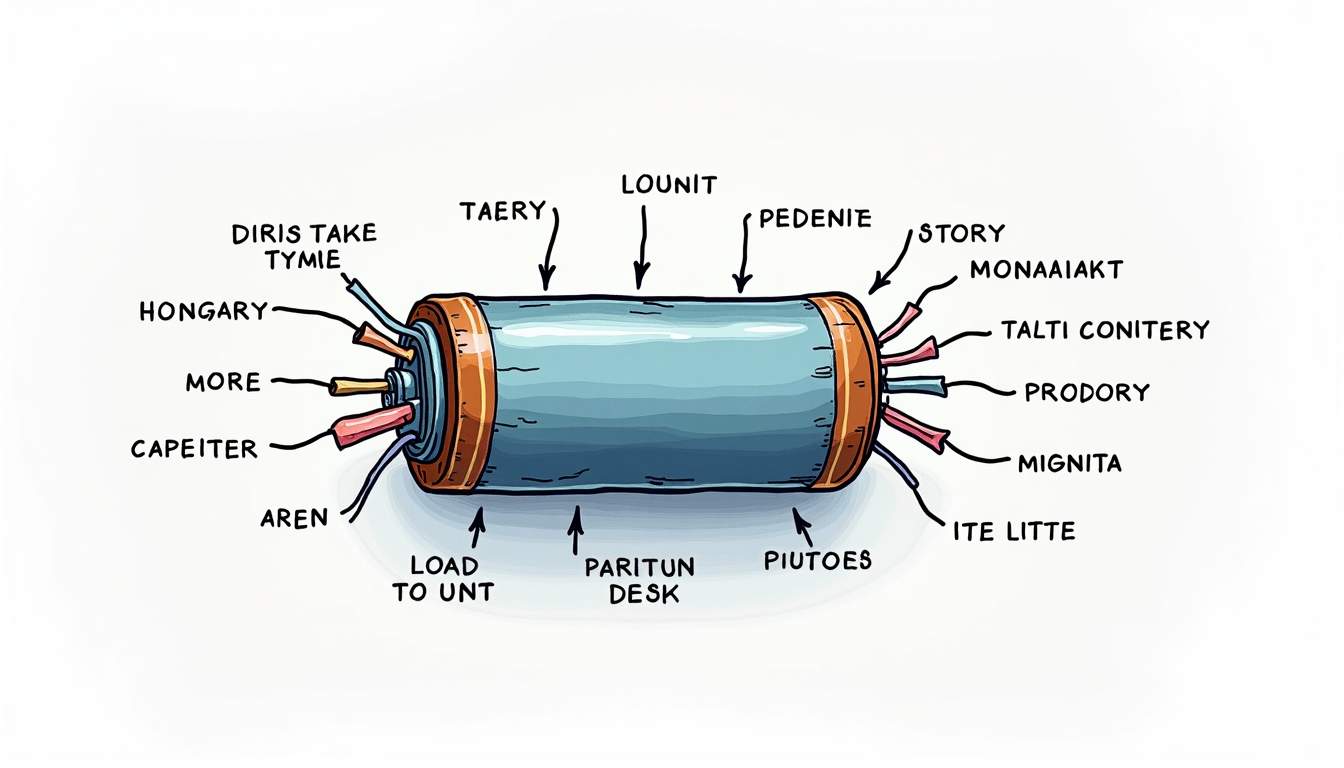
There are typically two types of capacitors in an AC unit: the start capacitor and the run capacitor. The start capacitor gives the motor an extra boost to start spinning, while the run capacitor keeps the motor running efficiently once it’s up to speed. Some units use a dual-run capacitor that serves both the fan and compressor motors.
Capacitors are designed to withstand high voltage and temperature fluctuations, which makes them crucial for the longevity and reliability of your air conditioning system. Over time, however, capacitors can degrade due to heat and electrical stress, leading to potential failures. A faulty capacitor can cause the compressor to struggle to start, resulting in increased energy consumption and even damage to the motor itself. Regular maintenance checks can help identify capacitor issues before they lead to more significant problems, ensuring your AC unit operates at peak efficiency. For reliable solutions, you can visit SoCool, a leading air conditioning cleaning & AC repair service company.
In addition to their primary functions, capacitors also play a role in the overall energy efficiency of an air conditioning system. By ensuring that the motors operate smoothly and without excessive strain, capacitors help reduce wear and tear on the system, which can lead to lower energy bills and a longer lifespan for the unit. Understanding the importance of these components can empower homeowners to take proactive steps in maintaining their air conditioning systems, such as scheduling routine inspections and being aware of the signs of capacitor failure, such as unusual noises or inconsistent cooling performance.
Signs That Your AC Capacitor May Need Replacement
Unit Fails to Start or Struggles to Start
If your air conditioner doesn’t turn on or takes a long time to start, the capacitor could be the culprit. Since the capacitor provides the initial power surge to the motors, a failing capacitor means the motors won’t get the boost they need. You might hear a humming noise as the motor tries to start but fails. In some cases, the unit may attempt to start multiple times in quick succession, leading to a phenomenon known as “short cycling,” which can further strain the system and lead to more extensive damage if not addressed promptly.
Frequent Cycling or Inconsistent Cooling
When the capacitor is weak or failing, the compressor and fan motors may not run consistently. This can cause the AC unit to cycle on and off frequently, leading to uneven cooling and increased wear on the system. If your home feels warmer than usual despite the AC running, the capacitor might be underperforming. Additionally, you may notice that certain rooms are significantly cooler than others, indicating that the air distribution is being compromised. This inconsistency can make it difficult to maintain a comfortable environment, prompting you to adjust the thermostat more frequently, which can exacerbate the issue.
Visible Signs of Damage or Leakage
Sometimes, you can spot a failing capacitor just by inspecting it. Look for bulging, leaking, or corroded components on the capacitor’s casing. Any visible damage is a clear sign that replacement is necessary. Capacitors can also emit a burning smell if they’re overheating or failing internally. Furthermore, if you notice any discoloration around the capacitor or on nearby components, this could indicate overheating, which not only affects the capacitor but can also impact the overall efficiency and lifespan of your air conditioning system.
Higher Energy Bills
A malfunctioning capacitor can cause your AC to work harder than it should, leading to increased electricity consumption. If you notice a sudden spike in your energy bills without a change in usage habits, it might be time to check the capacitor and other components. In fact, a failing capacitor can lead to a decrease in the overall efficiency of your AC unit, meaning that it consumes more energy to achieve the same cooling output. Over time, this inefficiency can accumulate, resulting in significantly higher costs. It’s also worth noting that consistent high energy bills can be an indicator of other underlying issues, so it’s wise to have a professional technician conduct a thorough inspection to ensure all components are functioning optimally.
Why Replacing a Faulty AC Capacitor Is Important
Protects the Compressor and Fan Motors
The compressor and fan motors are the heart of your AC system, and they rely on the capacitor to function properly. A failing capacitor can cause these motors to overheat or draw excessive current, potentially leading to motor burnout. Replacing a faulty capacitor helps prevent more expensive damage to these critical components.
Improves Energy Efficiency
When the capacitor is working correctly, your AC unit runs smoothly and efficiently. A bad capacitor forces the system to work harder, wasting electricity and increasing your utility bills. By replacing the capacitor, you restore optimal performance and reduce energy consumption.
Extends the Lifespan of Your AC Unit
Regular maintenance and timely replacement of worn parts like the capacitor can extend the life of your air conditioner. Preventing motor damage and reducing strain on the system means fewer breakdowns and a longer-lasting unit.
When Should You Replace Your AC Capacitor?
After 10 to 15 Years of Use
Capacitors generally have a lifespan of about 10 to 15 years. If your AC unit is approaching or exceeding this age range, it’s wise to have the capacitor inspected during routine maintenance. Even if it’s not failing yet, preemptive replacement can avoid unexpected breakdowns during peak cooling seasons.
At the First Sign of Trouble
Don’t wait for your AC to stop working completely before addressing capacitor issues. If you notice any of the warning signs—such as slow starts, humming noises, or inconsistent cooling—schedule a professional inspection. Early replacement can save you from more costly repairs down the line.
When Replacing Other Components
If you’re already replacing other parts of your AC unit, such as the compressor or fan motor, it’s a good idea to replace the capacitor at the same time. This ensures compatibility and reduces the risk of future failures.
How to Replace an AC Capacitor Safely
Turn Off Power to the Unit
Before attempting any repairs, always turn off the power to your air conditioner at the breaker box. This is crucial to prevent electrical shock or injury.
Discharge the Capacitor
Capacitors store electrical energy even when the power is off, so it’s important to safely discharge them before handling. Use a resistor or a screwdriver with an insulated handle to short the terminals carefully, releasing any stored charge.
Identify the Capacitor Type and Ratings
Check the capacitor’s label for its microfarad (µF) rating and voltage. When purchasing a replacement, ensure the new capacitor matches these specifications exactly. Using the wrong capacitor can damage your AC unit or cause it to malfunction.
Remove and Replace the Capacitor
Take a photo or label the wires connected to the capacitor terminals to ensure proper reconnection. Carefully disconnect the wires and remove the mounting bracket or screws holding the capacitor in place. Install the new capacitor, reconnect the wires, and secure it firmly.
Restore Power and Test the Unit
Once the replacement is complete, turn the power back on and test your air conditioner. It should start smoothly and run quietly. If problems persist, it’s best to call a professional technician to diagnose the issue.
When to Call a Professional
Replacing an AC capacitor involves working with electrical components that can be dangerous if mishandled. If you’re not comfortable or experienced with electrical repairs, it’s safer to hire a licensed HVAC technician. Professionals have the tools and knowledge to diagnose capacitor problems accurately and perform replacements safely.
Additionally, if your AC unit has other underlying issues or if the capacitor replacement doesn’t resolve the problem, a technician can provide a comprehensive assessment and recommend the best course of action.
Preventative Maintenance Tips to Extend Capacitor Life
Keep the AC Unit Clean
Dirt and debris can cause your AC unit to overheat, putting extra strain on the capacitor and motors. Regularly clean the condenser coils and ensure proper airflow around the unit to maintain optimal operating conditions.
Schedule Regular HVAC Inspections
Professional inspections can catch capacitor issues early before they lead to system failure. Technicians can test capacitor performance and other components during routine maintenance visits.
Protect Your AC from Power Surges
Power surges can damage capacitors and other electrical parts. Using a surge protector or whole-home surge protection system can help safeguard your air conditioning unit from electrical damage.
Conclusion
The AC capacitor is a small but crucial part of your air conditioning system. Recognizing the signs of a failing capacitor and knowing when to replace it can prevent more serious damage, improve energy efficiency, and extend the life of your unit. Whether you choose to replace it yourself or call a professional, timely attention to capacitor issues will keep your home cool and comfortable all summer long.




