Installing roof insulation at the right time improves energy efficiency, reduces long-term costs, and avoids weather-related delays. The best time to install insulation depends on several factors: regional climate, building type, project scope, and material availability. Residential and commercial property owners can save time and money by hiring a professional roof insulation contractor during optimal weather windows.
This guide breaks down when and why each season may or may not be the best fit, helping decision-makers align timing with performance and practicality.
Why Seasonal Timing Affects Roof Insulation Projects
The installation of roof insulation is impacted by outdoor temperatures, material behavior, humidity, and accessibility. Choosing the wrong season can lead to application issues, longer project timelines, or reduced effectiveness. Each material—spray foam, fiberglass batts, cellulose—reacts differently to environmental conditions. This makes timing not just a preference, but a performance issue.
Material Performance and Weather
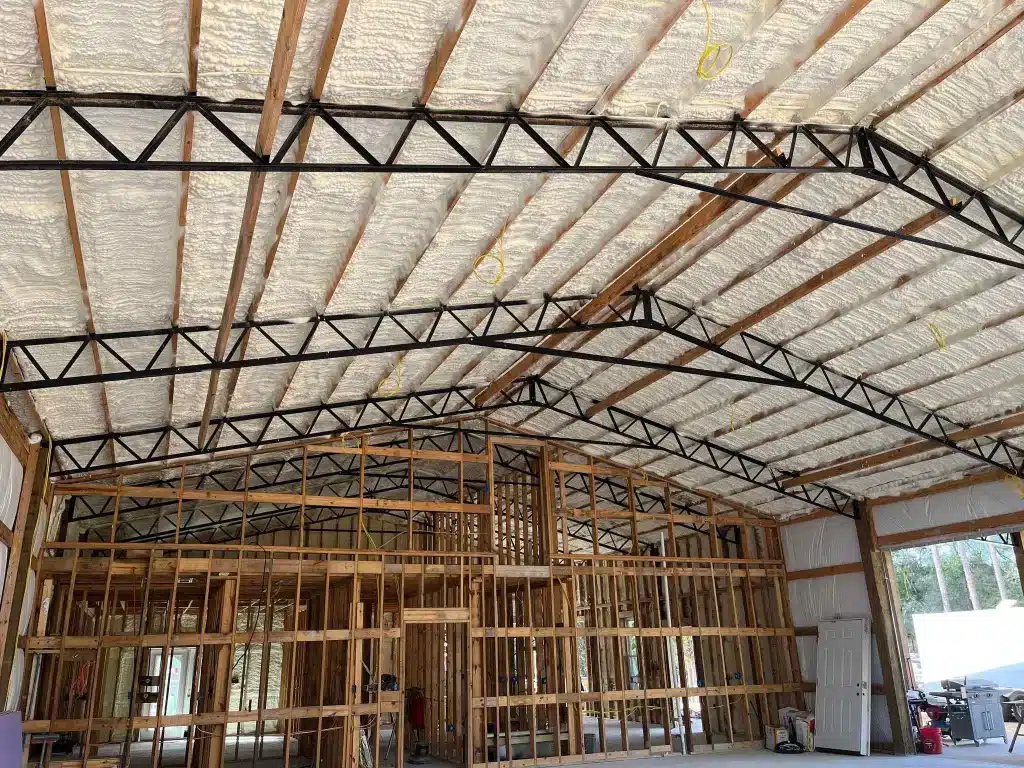
Some insulation materials are sensitive to moisture and require stable temperatures. Spray foam, for example, should be installed when outdoor temperatures are above 50°F for proper curing and adhesion. Cold or wet conditions delay application or create inconsistencies in coverage and R-value.
Availability and Scheduling
Peak seasons for construction can make scheduling difficult. Planning during low-demand months often gives better access to experienced installers and faster project completion, especially in commercial projects with strict timelines.
Spring: A Strong Balance of Conditions
Spring offers a favorable blend of moderate weather and growing availability, especially in temperate and southern regions.
Temperature and Moisture Conditions
- Temperatures are warm enough to support spray foam insulation
- Low humidity reduces risks of condensation during installation
- Roofing materials are more pliable, making access easier
Project Planning Advantages
- Installers often have open schedules after winter slowdowns
- Ideal time for pre-summer insulation upgrades
- Aligns well with solar panel or HVAC upgrades
Best For: Residential retrofits, attic insulation, and spray foam roof applications in warmer regions.
Summer: High Demand, but Not Always High Performance
Summer is a common time for insulation, but extreme heat can reduce efficiency and raise risks if not managed carefully.
Challenges with High Temperatures
- Spray foam curing accelerates too fast in extreme heat, affecting adhesion
- Rooftop work can be unsafe in midday sun
- Fiberglass and cellulose may settle if installed during high humidity
Scheduling Constraints
- High competition for contractor time
- Lead times may extend 2–4 weeks
- Projects may require early morning or late evening schedules
Best For: Commercial flat roofs and new builds if timed in early summer before peak heat.
Fall: Often the Optimal Season Overall
Fall consistently ranks as the best time to install roof insulation for both residential and commercial properties.
Ideal Weather Conditions
- Stable temperatures support all insulation types
- Low chance of rain or storms
- Reduced risk of material expansion or contraction
Access and Flexibility
- Installers are well-staffed and experienced from summer
- Property owners can prepare for winter heating needs
- Project timelines are shorter with fewer weather delays
Best For: Attic insulation, re-roofing with insulation upgrades, or large-scale commercial projects requiring consistent installation conditions.
Winter: Limited but Possible with Planning
Winter insulation is possible with planning, especially for enclosed or temperature-controlled environments.
Material Compatibility
- Spray foam requires temperature control; heaters may be needed
- Fiberglass can be installed indoors if access is safe and dry
- Roof deck access may be limited by snow or ice
Project Types Suitable for Winter
- Interior commercial retrofits
- New construction with enclosed envelopes
- Areas with mild winters (e.g., southern U.S.)
Best For: Commercial or multifamily projects underway in controlled environments.
Comparison: Seasonal Timing and Roof Insulation Performance
Season | Weather Suitability | Material Compatibility | Scheduling Ease | Common Project Types |
|---|---|---|---|---|
Spring | High | Good for all types | Moderate | Retrofits, new roofs, spray foam |
Summer | Medium | Caution with spray foam | Low | Commercial roofs, fiberglass installs |
Fall | High | Best for all types | High | Attics, commercial retrofits, re-roofs |
Winter | Low–Medium | Limited to indoor work | High | Enclosed new builds, mild regions |
Common Regional Considerations
Each region’s climate affects insulation timing. What works in Texas may not work in Illinois. Consider local climate data and building codes.
Hot, Dry Regions (e.g., Arizona, Texas)
- Best season: Fall and Spring
- Avoid extreme summer heat and UV exposure
- Watch for dust contamination during application
Cold or Wet Climates (e.g., Midwest, Pacific Northwest)
- Best season: Late Spring through Early Fall
- Avoid winter freeze-thaw cycles and rain
- Monitor moisture barriers for cellulose and fiberglass
Coastal or Humid Areas (e.g., Southeast U.S.)
- Best season: Spring or Fall
- High humidity may require vapor barriers or dehumidifiers
- Mold prevention is critical during and after install

How to Time Roof Insulation Projects for Maximum Value
Choosing the right season is only part of the process. A few proactive steps can help increase effectiveness and reduce delays.
Schedule a Site Assessment
A professional review of the building envelope, roof structure, and access points helps determine the best window for installation. This should be done 6–8 weeks before the preferred start date.
Align with Other Upgrades
Insulation works best when paired with ventilation, HVAC, or roofing updates. Timing projects together helps reduce labor costs and improves efficiency.
Monitor Material Conditions
Check how temperature and humidity affect the insulation materials being used. Request installation when conditions fall within the manufacturer’s performance range.
Conclusion
The best time of year to install roof insulation depends on local climate, building type, and material. Fall often provides the most stable weather and installer availability, making it the preferred season for both residential and commercial projects. Spring is also strong, especially for retrofits or new construction planning ahead of summer. Summer carries heat-related challenges, and winter is best left for indoor or controlled-space applications.
Aligning timing with material requirements, project scale, and contractor access results in better energy performance and smoother installations. Planning ahead with an expert spray foam insulation contractor—especially in high-demand areas—can help avoid delays and costly mistakes.
FAQs
Can spray foam insulation be installed in winter? Yes, but only in enclosed or temperature-controlled environments. Cold outdoor temperatures below 50°F can interfere with curing, requiring heaters or scheduling adjustments.
Is there a season when insulation materials perform better? Fall offers the best combination of temperature and humidity for all insulation types, making it the most performance-friendly season across regions.
How far in advance should roof insulation be scheduled? Ideally, plan 6–8 weeks ahead, especially in spring and fall. This gives time for assessments, material ordering, and contractor coordination.
Does the type of insulation change the best season to install? Yes. Spray foam requires specific temperature ranges. Fiberglass and cellulose are less temperature-sensitive but can be affected by moisture and humidity.
Can commercial buildings be insulated year-round? Most commercial projects can proceed year-round if the structure is enclosed. For open roof work, spring and fall offer the safest and most efficient windows.
Author: Rene Zamarripa Spray foam installer and owner with experience since 2008. Specializes in residential and commercial insulation, trained in rig operation, material behavior, and site planning for various insulation types.
Reviewer: Benjamin Lee Over 13 years of experience in spray foam insulation. Focuses on helping insulation businesses serve homeowners and commercial clients effectively through accurate, accessible technical information.