Have you ever wondered what your heartbeat might be trying to tell you? More than just a rhythm that keeps you alive, your pulse is a silent storyteller, revealing secrets about your health, especially your blood pressure. In Ayurveda, your pulse is not just a sign of life, but a powerful diagnostic tool. Let’s explore what your pulse can reveal about your BP and how Ayurveda interprets this ancient signal.
Note:
Looking to explore Ayurvedic remedies for high BP guided by your pulse and body type? At Madhavbaug, expert Ayurvedic doctors use pulse reading to uncover the deeper causes of blood pressure issues. Contact them to discover a natural, balanced path to better heart health.
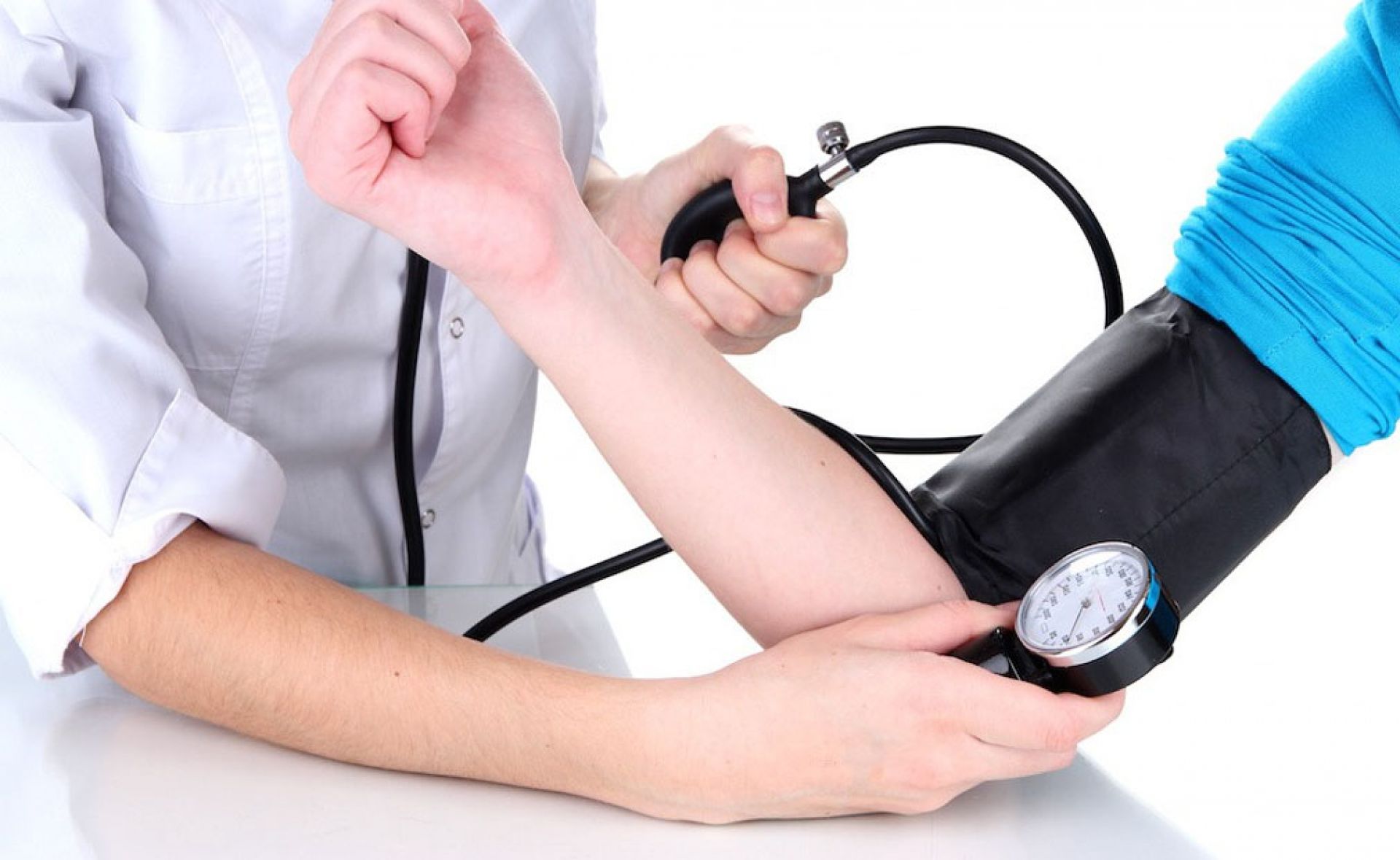
Understanding the Pulse in Ayurveda
In modern medicine, we usually check the pulse rate to know how fast the heart is beating. But Ayurveda goes much deeper. Known as Nadi Pariksha, pulse diagnosis in Ayurveda is an ancient technique used to understand the balance of energies—or doshas—in the body.
The Three Doshas in Your Pulse
Ayurveda believes that three main energies (or doshas) govern our health:
Vata – Air and space elements, governs movement
Pitta – Fire and water elements, governs digestion and metabolism
Kapha – Earth and water elements, governs structure and fluid balance
By feeling your pulse, an Ayurvedic practitioner can determine which dosha is dominant or imbalanced. This tells a lot about your current health, including your blood pressure condition.
How Does Pulse Indicate High BP?
Your pulse doesn’t just beat. It flows, jumps, glides, or pounds. And in these movements, Ayurveda finds clues about your internal systems.
Signs of High BP Through Pulse
| Pulse Characteristic | What It May Indicate |
|---|---|
| Strong, pounding pulse | Elevated blood pressure (Pitta imbalance) |
| Fast and irregular pulse | Nervous tension, possibly Vata-driven hypertension |
| Slow and heavy pulse | Kapha-related sluggish circulation, early BP rise |
So, if your pulse feels strong and forceful even at rest, Ayurveda may see this as a sign that your Pitta dosha is aggravated, which is a common cause of high blood pressure.
Why High BP Happens According to Ayurveda
In Ayurveda, high BP is not just a number. It is the result of an imbalance in doshas, poor digestion (Agni), stress, and blocked channels (Srotas). Let’s break this down:
Aggravated Pitta leads to heat and intensity in the system, increasing pressure.
Aggravated Vata causes restlessness, anxiety, and erratic heart rhythms.
Aggravated Kapha leads to weight gain, water retention, and sluggish blood flow.
Each body type has its reason for developing high BP, and the pulse helps identify which dosha is out of balance.
Early Pulse Clues You Shouldn’t Ignore
Sometimes your pulse changes before your blood pressure does. That’s why Ayurveda uses pulse reading as an early warning system.
Key Pulse Clues to Watch
| Symptom in Pulse | Potential Meaning |
|---|---|
| Sudden sharp beats | Emotional stress, anxiety, and Vata imbalance |
| Consistent fast pulse | Heat buildup in the system, rising Pitta |
| Dull, slow rhythm | Stagnation, Kapha dominance |
Even if you feel fine, these signals might point to rising blood pressure over time.
Can Pulse Reading Replace a BP Machine?
Not exactly. While pulse reading is deeply insightful, it’s more about understanding the root causes rather than giving you numbers. A BP monitor tells you what your pressure is now. Pulse reading tells you why it may be changing and how to bring it back to balance.
Also Read: https://madhavbaug.org/health-corner/5-ways-recommended-by-ayurveda-to-control-blood-pressure/
How This Helps in Managing Blood Pressure Naturally
Once your dominant dosha and imbalance are known, Ayurveda suggests remedies based on that specific cause, not a one-size-fits-all solution. Whether it’s cooling Pitta, calming Vata, or lightening Kapha, the treatment starts with what your pulse reveals.
Final Thought: Your Pulse Is Your Personal Health Code
Think of your pulse as your body’s hidden language. It speaks of stress, emotions, food choices, and habits—all in a rhythm you carry 24/7. And when it comes to BP, catching the change early could be the key to staying healthy without waiting for serious symptoms.
For more insightful details, do visit trendburst