
Whole-house dehumidifiers are an effective solution for managing indoor humidity levels in both residential and commercial buildings. Before installation, property owners should understand how these systems work, what benefits they provide, and what potential issues might arise. This guide addresses practical concerns, common installation scenarios, and factors to consider for long-term efficiency and performance.
Why Whole-House Dehumidifiers Are Installed
Many property owners are hiring expert whole-house dehumidifier service to address persistent humidity issues that affect comfort, structural integrity, and air quality.
Moisture Management in Larger Spaces
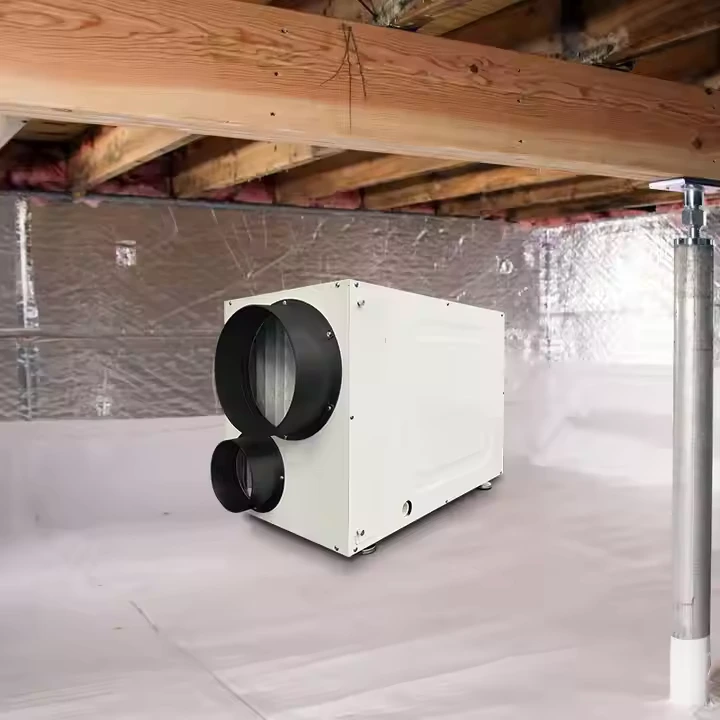
Portable dehumidifiers are limited in capacity and coverage. A whole-house system is designed to regulate moisture levels across the entire structure, including hard-to-reach areas like attics, crawl spaces, and basements.
Protection Against Mold and Structural Damage
Excess humidity creates an ideal environment for mold growth and wood rot. Whole-house systems help prevent these risks by maintaining consistent humidity levels, often between 40% and 50%.
Energy and HVAC Efficiency
Excess moisture forces HVAC systems to work harder to maintain indoor temperatures. By removing moisture directly from the air, dehumidifiers reduce the load on air conditioning units, leading to more efficient energy use.
How Whole-House Dehumidifiers Work
A whole-house dehumidifier connects to your HVAC system or ductwork and automatically pulls moisture from the air before circulating it back.
Integrated vs. Standalone Systems
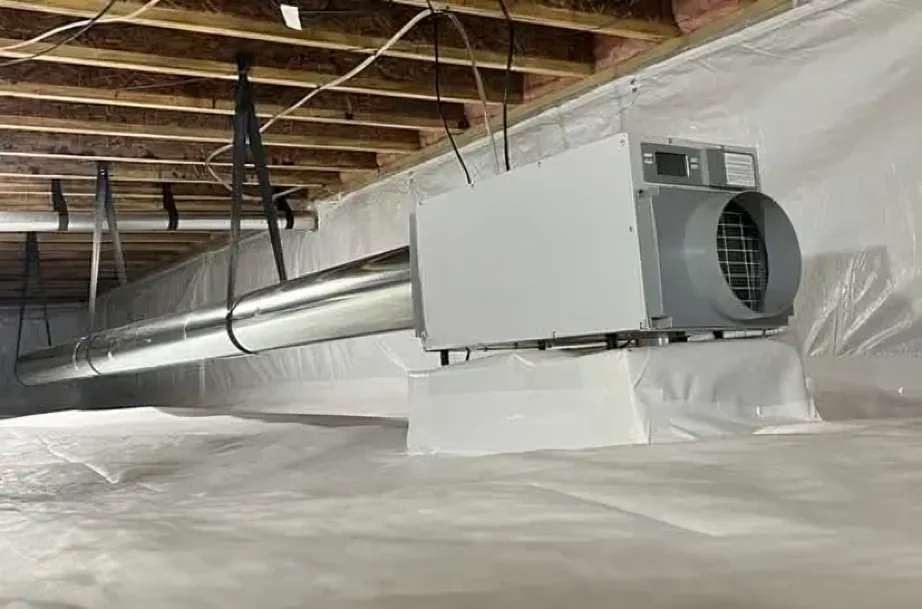
Some units are integrated with existing HVAC ductwork, while others function independently with dedicated return and supply ducts. The choice depends on building layout and HVAC configuration.
Condensation and Drainage
The system draws humid air over a cold coil, causing moisture to condense. The resulting water drains into a sump pump or floor drain through a dedicated line, preventing water buildup.
Smart Sensors and Controls
Modern units include hygrometers, programmable settings, and smart thermostats to maintain consistent humidity levels. Some models allow remote adjustments via mobile apps.
Key Factors to Consider Before Installation
Several site-specific and system-related factors should be reviewed before choosing and installing a unit.
Ductwork Compatibility
Not all homes or buildings have ductwork designed for dehumidifier integration. Systems may need custom duct extensions or upgrades to function correctly and efficiently.
Sizing the Unit Properly
Undersized units won’t effectively manage moisture. Oversized systems may short cycle, reducing lifespan. Sizing depends on:
- Square footage
- Average humidity levels
- Number of occupants
- Insulation quality
- Moisture sources (e.g., crawl spaces, kitchens)
Use a Manual J load calculation or consult a qualified HVAC technician to determine proper sizing.
Electrical Requirements
Most units need a dedicated 120V or 240V electrical connection. Verify panel capacity and availability of breakers in advance.
Drainage Options
Efficient drainage is essential. Choose a setup that includes a gravity-fed line or a condensate pump, especially if installed in a basement.
Common Locations for Installation
Where the system is placed affects performance, maintenance, and energy use.
Basement
A common location due to its typically higher humidity levels. It’s accessible and close to the home’s main drain system.
Crawl Space
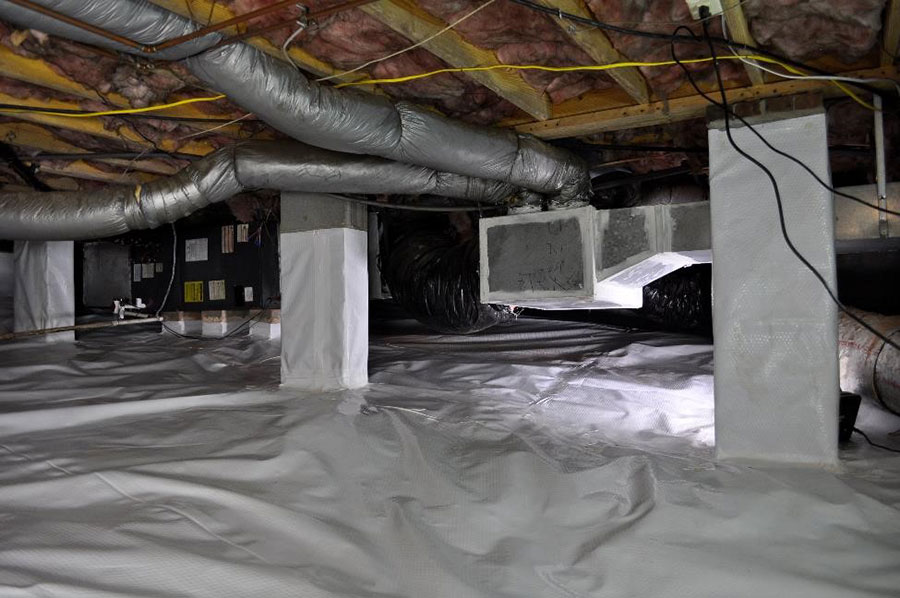
Ideal for homes with high ground moisture. Units here often require sealed vapor barriers to function properly.
Attic
Less common due to extreme temperatures and drainage difficulties. Additional insulation and ducting may be required.
Mechanical or Utility Room
Allows central access to HVAC and drainage lines, making it a good option when space permits.
Whole-House Dehumidifier vs. Portable Units
Feature | Whole-House Dehumidifier | Portable Unit |
|---|---|---|
Coverage Area | Entire building | Single room or zone |
Installation | Permanent, duct-connected | Plug-and-play |
Humidity Control Accuracy | High | Moderate |
Energy Use | More efficient over time | Higher per square foot |
Maintenance Frequency | Low | Frequent |
Noise Level | Low (located remotely) | Higher (in-room) |
Upfront Cost | Higher | Lower |
Long-Term Cost Efficiency | Better | Lower efficiency |
Long-Term Maintenance and Upkeep
Maintaining a whole-house dehumidifier involves fewer interventions than portable models, but consistent attention keeps the system running efficiently.
Filter Cleaning or Replacement
Filters should be checked monthly and cleaned or replaced per manufacturer guidelines. Dirty filters reduce airflow and cause inefficiency.
Drain Line Inspection
Blockages in the drain line can cause leaks or overflow. Inspect regularly, especially during peak humidity seasons.
Coil Cleaning
Over time, dust buildup on coils can reduce performance. Annual cleaning as part of HVAC maintenance is recommended.
Software and Sensor Calibration
Smart systems may require software updates or calibration checks to ensure humidity readings remain accurate.
Risks of Incorrect Installation
Improper installation can lead to system failure or building damage. The most common risks include:
- Short cycling due to incorrect sizing
- Backdrafting or pressure imbalances in HVAC
- Leaks from poorly routed drain lines
- Ineffective humidity control due to poor duct layout
Work with a licensed HVAC professional familiar with whole-house systems to avoid these issues.
Conclusion
A professional insulation company helps improve indoor comfort, protects structural materials, and supports HVAC efficiency. Installing one requires careful planning around sizing, location, electrical access, and drainage. While upfront costs are higher than portable options, the long-term performance and value make it a strong investment for both residential and commercial properties dealing with persistent moisture concerns.
Understanding how the system integrates with your building, how to maintain it, and how to avoid common pitfalls ensures reliable, efficient humidity control throughout the year.
FAQs
How does a whole-house dehumidifier differ from an HVAC system? An HVAC system controls temperature, not humidity. A whole-house dehumidifier specifically removes moisture from the air, working alongside HVAC but serving a distinct function.
Can I install a whole-house dehumidifier without ductwork? Yes, but it requires a standalone configuration with dedicated supply and return ducts. This setup is more complex and typically more expensive to install.
Will this system help reduce mold in crawl spaces? Yes. By maintaining humidity below 50%, it creates conditions where mold struggles to grow, especially in moisture-prone areas like crawl spaces.
Is it possible to oversize a dehumidifier? Yes. An oversized unit will cycle on and off frequently, reducing lifespan and energy efficiency. Proper sizing is based on total square footage and average humidity.
What maintenance does it need during winter? In winter, when indoor air tends to be dry, the system may be turned off or run minimally. Still, inspect the drain line and filters periodically to prevent clogs or debris buildup.
Reviewer: Jack Parker, a spray foam professional with 7 years of experience, reviewed this post and helped improve sections dealing with brand clarity and customer communication.






