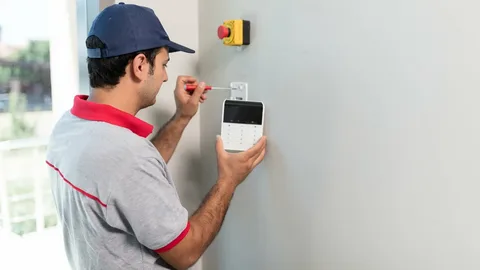
In a world that depends heavily on data security and physical protection, having a reliable Access Control System is more than just a convenience. It is a necessity. Whether you are protecting sensitive office data, controlling who can enter your apartment building, or securing rooms filled with expensive AV equipment, access control is at the core of modern safety. At XTEN-AV, we understand how crucial it is to integrate secure systems into your AV infrastructure. This guide offers a beginner-friendly explanation of what an access control system is, how it works, and why it matters for every kind of environment.
Understanding the Basics
An Access Control System is a security solution that regulates who can or cannot enter a physical or digital space. Instead of traditional keys, access is granted using credentials like keycards, biometric data, PIN codes, or mobile apps. These systems ensure that only authorized individuals can access specific areas or information.
There are three main components in every access control system:
Identification – The system must know who is trying to gain access. This is usually done through a card swipe, fingerprint scan, or code entry.
Authentication – Once identified, the system checks whether the credentials match those stored in its database.
Authorization – If the authentication is successful, the system grants the person access to the restricted space or resource.
Types of Access Control Systems
Access control systems can vary widely in design, purpose, and technology. Here are the most common types:
1. Discretionary Access Control (DAC)
This system gives the owner of a space full control over who can enter. It is common in small offices or homes. For example, a homeowner might choose who can enter a smart-locked room in the house.
2. Mandatory Access Control (MAC)
This highly restrictive model is mostly used in government and military environments. Users are assigned security levels, and access is granted based on a strict classification policy.
3. Role-Based Access Control (RBAC)
This is one of the most popular systems used in corporate settings. Access is granted based on a person’s role in the organization. For instance, IT staff may have access to the server room, while general employees do not.
4. Rule-Based Access Control
This system grants access based on specific rules, such as time of day or location. It is useful in businesses that operate in shifts or have time-sensitive access needs.
Key Components of an Access Control System
To understand how an access control system works in real-world scenarios, you need to know its key parts:
Access Control Panel: This is the brain of the system. It processes credentials and makes the final decision to allow or deny access.
Readers and Scanners: These devices read the credentials provided by the user. They can be card readers, fingerprint scanners, or facial recognition devices.
Credentials: These are the tools or information a person uses to request access, such as ID cards, key fobs, or biometric data.
Locks and Barriers: Electromagnetic or electronic locks work with the control system to physically lock or unlock doors.
Management Software: This is where access levels are set, reports are generated, and user activity is monitored.
How Access Control Systems Work in Practice
Imagine a company wants to restrict access to its AV control room. The company installs an access control system with fingerprint readers at the door. Each authorized technician submits their fingerprint into the database. Whenever someone tries to enter, the system checks the fingerprint against its records. If it matches, access is granted and the door unlocks. If not, the system logs the attempt and keeps the door locked.
Benefits of an Access Control System
A modern access control system offers several advantages beyond basic security:
Improved Security: Only authorized individuals gain access, reducing the risk of theft or unauthorized entry.
Audit Trails: Most systems keep a log of who accessed what area and when. This helps in investigations or audits.
Remote Management: You can manage access permissions from a central software, even if the building has multiple locations.
Integration with Other Systems: Many access control systems integrate easily with video surveillance, alarms, and AV systems for comprehensive security.
Scalability: Whether you are managing a small office or a large enterprise, access control systems can scale as your needs grow.
Use Cases for Access Control Systems
The need for an access control system extends across industries and settings. Here are some examples:
Offices: Control access to specific departments or floors.
Hospitals: Restrict access to operating rooms or medication storage areas.
Educational Institutions: Prevent unauthorized access to labs or staff rooms.
Residential Buildings: Allow only residents and maintenance staff into the building.
Retail: Limit entry to inventory storage or employee-only areas.
XTEN-AV and Access Control Integration
At XTEN-AV, we design intelligent AV systems that work seamlessly with modern access control solutions. Whether you are creating a smart meeting space, a secure AV rack room, or a fully automated building, we help you choose and integrate the right access control technologies into your setup.
Our tools allow you to visualize how access points will interact with AV gear. From smart locks on equipment rooms to biometric scanners for conference entry, XTEN-AV ensures your access control system enhances both security and functionality.
Conclusion
An Access Control System is essential for maintaining security, accountability, and operational efficiency in any physical space. It eliminates the risks associated with traditional keys and provides a smarter, scalable approach to access management. Whether you are running a business, managing a facility, or setting up a secure AV environment, choosing the right access control system is a step toward greater peace of mind.
Let XTEN-AV guide your journey toward smarter, safer spaces.
Read more: https://audiovisual.hashnode.dev/how-to-design-a-scalable-access-control-system-architecture