
Choosing a window tint is often framed as a decision about privacy, heat reduction, or aesthetics. Yet one aspect that tends to get sidelined is visual clarity — how clearly the outside world will appear after the tint is applied. Whether the tint is for a car, a home, or an office, the wrong choice can introduce glare, color shift, or a dull, hazy view that makes driving or simply enjoying the scenery less pleasant. This article lays out the main tint options, explains how each affects visibility, and provides practical guidance to help preserve a crisp, natural view while still achieving other goals like UV protection and glare reduction.
How Tints Affect What You See
Tinting films and coated glass change the way light enters the eye. Some films absorb certain wavelengths, others scatter light, and some have reflective layers that bounce sunlight away. These physical interactions determine whether the outdoors will look sharper, dimmer, or color-shifted. Understanding the mechanisms behind these effects helps in choosing a tint that minimizes visual degradation.
Transmission level often called visible light transmission (VLT) tells how much visible light passes through. Higher VLT percentages (e.g., 70–90%) mean brighter views, while low VLT (e.g., 5–20%) produces dimmer views. Meanwhile, tint material and manufacturing quality influence whether the view becomes hazy, exhibits rainbow-like interference, or shifts toward warmer or cooler tones. Reflective metallic films can reduce glare effectively but sometimes create mirrors that change perception of depth.
Another important factor is the spectral selectivity of the tint, which defines how the film handles different colors of light. Some advanced tints are designed to block infrared and ultraviolet radiation while allowing most visible light to pass, striking a balance between heat control and clarity. This selective filtering can prevent excessive heat buildup inside a room or vehicle without sacrificing natural color rendition. Additionally, the uniformity of the tint’s application across the glass surface plays a crucial role in avoiding distracting streaks or spots that might distort the visual field.
Moreover, the angle of incoming light influences how tints perform throughout the day. Films that appear neutral and clear in diffuse lighting conditions can become more reflective or absorbent when sunlight hits them at oblique angles. This dynamic behavior is particularly relevant for architectural applications where changing solar positions affect occupants’ comfort and the perceived quality of views. Choosing tints with stable optical properties across a wide range of angles ensures consistent aesthetics and functionality. To learn more, you can visit OC Tint Solutions for expert guidance on selecting the right tint for your needs.
Common Visual Issues Caused by Tints
Several visual complaints are commonly reported after tint installation. Glare can persist if the tint only reduces brightness unevenly. Color distortion may occur when dyes or certain coatings absorb specific wavelengths more than others, leading to unnatural hues. Haze and blurring often stem from low-quality film with inconsistent thickness or poor adhesive application. Finally, nighttime visibility can suffer with very dark tints because they leave little light for the eye to process contrast details.
Types of Tints and Their Impact on Clarity
Not all tints are created equal. Materials and construction matter: dyed films, metallized films, ceramic films, and laminated or interlayered glass each interact with light differently. A breakdown of the most common options helps identify ones that prioritize clarity.
Dyed Films
Dyed films use a layer of dye to absorb sunlight. They are typically the most affordable option and provide decent glare reduction and privacy. However, dyes can fade over time and may absorb non-uniformly, which can create a slightly murky or less crisp view. Color shifts are possible, especially toward greenish or brownish tones, depending on the dye formulation.
Metallized Films
Metallized films incorporate microscopic metal particles to reflect heat and light. They excel at blocking infrared energy and reducing glare without necessarily making the view too dark. The reflective quality can, however, cause a mirror-like effect from certain angles and sometimes introduce faint color casts. High-quality metallized films tend to maintain good sharpness but can produce electronic interference with GPS or radio signals in older vehicles.
Ceramic Films
Ceramic films are made from non-conductive ceramic particles. They are the premium choice when balancing heat rejection and optical clarity. Ceramic doesn’t fade, doesn’t interfere with electronics, and has minimal color distortion. These films block infrared and UV light effectively while allowing natural colors and details to remain vivid. For those prioritizing visual quality, ceramic options often offer the best compromise between protection and unobstructed sight.
Laminated and Interlayered Glass
Built-in laminated glass or interlayered automotive glass uses a plastic interlayer fused between glass sheets. This construction reduces glare and improves safety without dramatically altering optical clarity. Laminated glass can be paired with coatings for additional UV protection. Because the tinting is part of the pane, uniformity and long-term consistency are superior to aftermarket films, making it a good option for architectural projects seeking durable clarity.
Choosing a Tint Without Compromising Color Fidelity
Color fidelity matters in both professional and recreational contexts: photographers need true hues; drivers rely on accurate traffic light colors; homeowners want unaltered landscape tones. Some tint types preserve color better than others, and the optical coatings applied to the glass can further influence results.
Neutral vs. Colored Tints
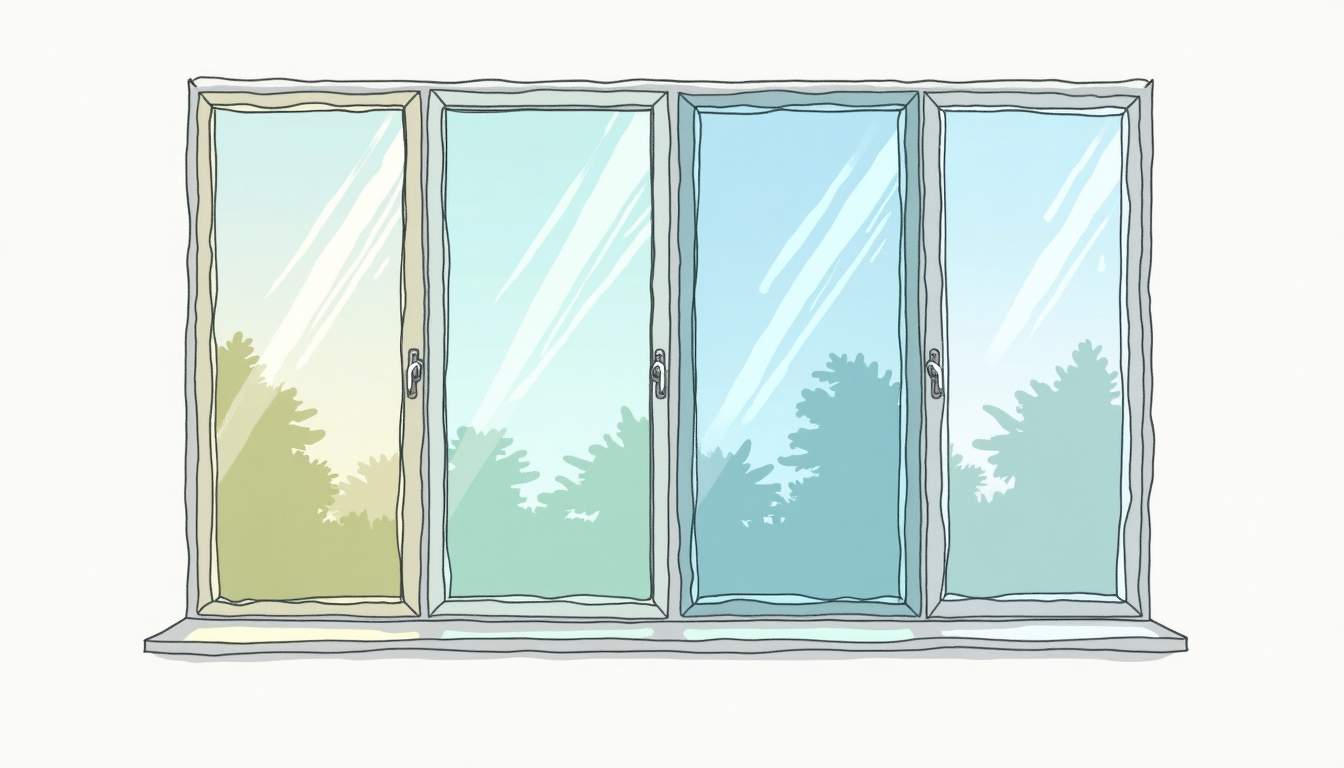
Neutral tints aim to reduce overall brightness while maintaining the natural balance of colors. Films advertised as “neutral” or “gray” usually have less spectral bias and therefore alter the scene less. Colored tints, such as bronze or green, intentionally shift the color balance and can make outdoor scenes appear warmer or cooler. When color accuracy is essential, sticking with neutral or clear ceramic films is the safest bet.
Spectral Selective Films
Advanced spectral selective films selectively block infrared and ultraviolet wavelengths while allowing most visible light to pass through. The advantage is a clear, bright view with reduced heat and UV exposure. The technology minimizes color shifts while delivering excellent glare control and cooling benefits. For windows where preserving true color is important, spectral selective films are a top choice.
Nighttime Visibility: A Critical Consideration
Night driving or low-light indoor visibility is one of the most frequent concerns when choosing tint. Very dark tints hinder the eye’s ability to gather enough light to discern details, reducing reaction time. Balance is key: sufficient VLT to allow safe vision at night, while achieving daytime comfort and privacy.
Legal Limits and Practical Safety
Many jurisdictions set legal minimums for VLT on vehicle windows. These regulations are often designed to ensure adequate nighttime visibility and prevent concealment for safety reasons. Even where law permits darker tints, practicality recommends avoiding extremes if nighttime driving is frequent. For residential or office windows, consider placement and ambient lighting — darker treatments on north-facing windows may be less problematic than on windows used for evening views or monitoring exterior doors.
Glare Reduction Without Losing Sharpness
Glare can be reduced either by lowering overall brightness or by filtering certain light angles and wavelengths. Polarizing films are effective for glare reduction because they block reflected light from flat surfaces. However, they can sometimes interfere with visibility of LCD screens or create banding on certain displays.
Anti-Reflective and Matte Coatings
Anti-reflective (AR) coatings reduce surface reflections and increase transmission, which can make views appear crisper and more contrast-rich. Matte films scatter light to cut glare but may slightly reduce sharpness by diffusing high-frequency detail. Balancing anti-reflective treatments with film darkness often yields the best combination of glare reduction and preserved detail.
Installation Quality and Long-Term Clarity
Even the best film will look poor if installed incorrectly. Bubbles, creases, adhesive streaks, or dust trapped under film will all degrade the clarity and introduce localized distortion. Professional installation matters for optical performance just as much as material choice.
Signs of Good Installation
Uniform appearance, edge-to-edge adhesion, and no visible imperfections are indicators of quality work. Properly trimmed film should not peel or lift over time. For automotive tints, precise fit around curved glass without tension lines prevents warping and preserves optical consistency. For architectural projects, factory-applied tints on double-pane units avoid field installation issues entirely.
Practical Recommendations
For those seeking the clearest, most natural view, ceramic or spectral selective films are recommended. They preserve color fidelity, minimize haze, and block heat and UV effectively. Neutral-color films offer good compromise when budget is a concern, while metallized films provide strong heat control with some risk of reflection and slight color cast.
When nighttime visibility is a priority, larger VLT numbers (higher visible transmission) are safer. For urban homes or offices that need privacy without sacrificing view clarity, consider switchable privacy glass or shades that can be opened for unobstructed views. Always prioritize professional installation for the best long-term optical performance.
Decision Checklist: Preserve the View
Use this quick checklist when evaluating options: choose high VLT for better brightness, prefer ceramic/spectral films for minimal color shift, avoid heavy dyes when color fidelity matters, inspect installation samples to check for haze, and confirm legal limits for vehicle applications. Budget for quality — a cheaper film may save money upfront but can cost more in replacements and dissatisfaction.
Testing Before Committing
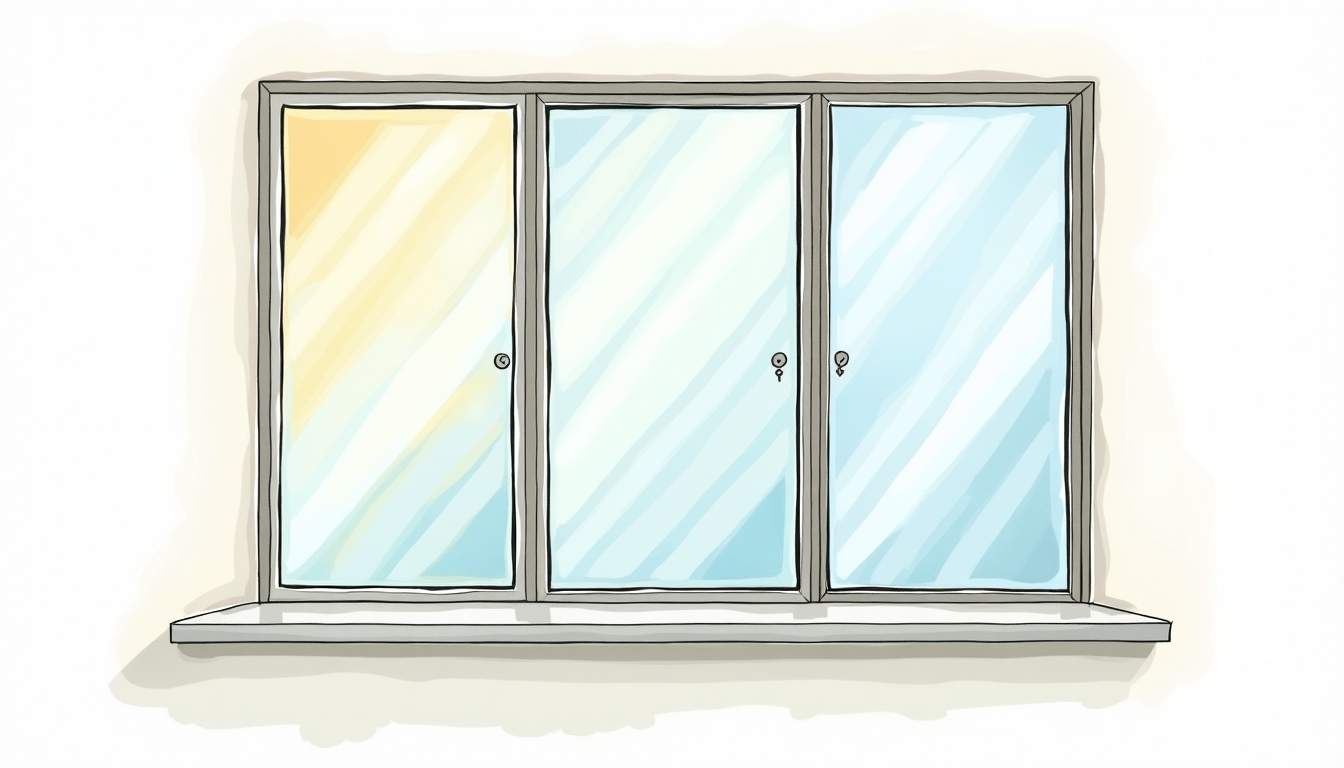
Ask for samples or demonstrations in real conditions. Look through sample pieces against the specific scenery that matters most — the highway at dusk, the park outside the living room, or the city skyline at noon. Observing how the tint changes contrast, color, and depth perception under different lighting conditions reveals the practical impact better than specifications alone.
Final Thoughts
Visual clarity need not be sacrificed for privacy, heat control, or UV protection. Understanding how different films and glass constructions interact with light leads to smarter choices that preserve a sharp, natural view. Opting for high-quality ceramic or spectral-selective films, ensuring professional installation, and prioritizing VLT levels appropriate to intended use will maintain the clarity of the world beyond the glass while providing the benefits expected from a modern tint.
When clarity matters, prioritize materials and installation quality over cost alone, test options in real environments, and select a solution tailored to both aesthetic needs and safety requirements. The right tint can make the outside world look better, not worse.




