Surgical instruments are integral to the success of any medical procedure, and among these, Lahey clamps stand out as a highly specialised tool. Designed to meet the precise demands of surgeons, these versatile instruments play a critical role in a wide range of surgical applications. This article explores the significance, design, uses, and advantages of Lahey clamps shedding light on why they are so widely used in modern surgical practices.
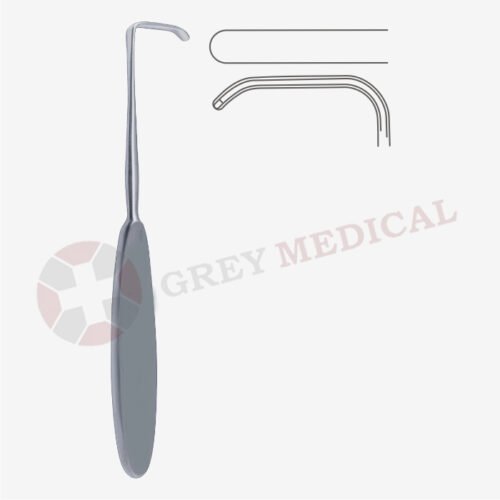
What Are Lahey Clamps?
Lahey clamps are specialised surgical instruments named after Dr. Frank Lahey, the renowned surgeon who invented them. These clamps are primarily used for holding or grasping tissues during surgical procedures. Their slim, curved design and sturdy grip make them ideal for precise tasks, particularly those requiring the secure handling of delicate tissues. Typically made from surgical-grade stainless steel to ensure durability and sterilisation compatibility, Lahey clamps are a staple in operating rooms worldwide.
A distinguishing feature of Lahey clamps is their triangular or toothed tips. These tips allow the tool to firmly grasp tissues without causing excessive damage, making it invaluable in surgeries requiring fine precision. Whether for tissue removal, examination, or repair, Lahey clamps offer versatility and dependability.
How Are Lahey Clamps Designed?
The design of Lahey clamps is a blend of simplicity and sophistication. They are typically 15 centimetres in length, featuring long, slim handles to facilitate easy manoeuvrability in tight or deep surgical spaces. The triangular, toothed jaws provide excellent grip while minimising the risk of tearing or crushing tissues.
Made from high-quality surgical stainless steel, Lahey clamps are designed to withstand repeated use and rigorous sterilisation processes. Their ergonomic structure not only ensures surgeon comfort but also maximises efficiency during lengthy procedures. The lightweight yet durable construction makes them suitable for diverse applications, ensuring they remain a trusted tool even in complex and high-stakes situations.
Common Uses of Lahey Clamps
Lahey clamps are predominantly used in general surgery, thyroidectomy, and tissue dissection. During a thyroidectomy, for instance, they are used to hold and manipulate the thyroid gland, making the surgeon’s task significantly easier. The triangular tips help to securely grasp the gland without causing damage to surrounding tissues, highlighting the precision for which Lahey clamps are known.
These clamps are also indispensable in oncological surgeries. When surgeons need to extract tumours or examine malignant tissues, Lahey clamps allow them to handle the affected tissues with minimal trauma, aiding in accurate diagnosis and patient recovery. Beyond oncology, they are used for holding or retracting soft tissues in various procedures, from abdominal surgeries to reconstructive interventions.
Surgeons often favour Lahey clamps in procedures where gentle handling of delicate tissue is paramount. Their reliability underpins their role in both routine and complex operations, cementing their place as an essential surgical instrument.
Benefits of Using Lahey Clamps
The popularity of Lahey clamps among surgeons is not a coincidence but a result of their effectiveness and precision. One of the primary benefits is their ability to firmly grasp tissues with minimal damage. This reduces the risk of complications and improves patient outcomes, particularly in procedures where tissue integrity is critical.
Their versatile design also makes Lahey clamps suitable for a wide range of applications, reducing the need for multiple specialised tools during a procedure. This not only saves time but also streamlines the surgical process. Importantly, their lightweight yet robust construction ensures ease of use, minimising hand fatigue for surgeons during long, intricate procedures.
The durability and reusability of Lahey clamps further increase their value. Manufactured from high-grade stainless steel, they can be sterilised multiple times without compromising performance. This makes them an economical choice for health institutions and contributes to their widespread adoption in operating theatres globally.
The Role of Lahey Clamps in Modern Surgery
With advances in medical science putting emphasis on precision and minimally invasive techniques, instruments like Lahey clamps have become more important than ever. They enable surgeons to complete complex procedures with higher accuracy and efficiency, directly impacting patient recovery times and surgical success rates. Their use extends beyond general surgery, finding application in specialisations such as oncology, ENT, and even veterinary procedures.
For medical practitioners, the adaptability of Lahey clamps makes them an indispensable part of the surgical toolkit. Their ability to minimise tissue trauma, alongside their ease of use, has revolutionised surgical practices, ensuring better patient outcomes and reducing complication rates.
Conclusion
Lahey clamps are a key component of any surgical tray, offering unmatched precision, reliability, and versatility. Their lightweight construction, ergonomic design, and ability to firmly grasp delicate tissues make them one of the most trusted tools in the hands of surgeons. Whether used in routine procedures or complex surgeries, Lahey clamps have proven to be indispensable in achieving optimal surgical outcomes.