
In the competitive world of real estate, generating leads is just the beginning. The true challenge lies in transforming those leads into profitable deals that drive your business forward. Whether you’re a seasoned agent, a property investor, or a developer, mastering the art of lead conversion can significantly impact your bottom line.
This comprehensive guide explores actionable strategies and insights to help you turn property leads into lucrative transactions. From understanding your leads’ motivations to leveraging technology and building trust, every step plays a crucial role in closing deals successfully.
Understanding Your Property Leads
Identifying Lead Types and Their Motivations
Not all property leads are created equal. Some are ready to buy or sell immediately, while others are merely exploring options or gathering information. Understanding the type of lead you’re dealing with is essential to tailor your approach effectively.
Leads typically fall into three categories: hot, warm, and cold. Hot leads are those actively seeking to close a deal soon. Warm leads might be interested but need nurturing and more information. Cold leads are often just browsing or not ready to commit. Identifying where your leads stand helps prioritize your efforts and resources. For instance, hot leads may require immediate follow-up and personalized communication, while warm leads could benefit from educational content or regular check-ins to maintain their interest. Cold leads, on the other hand, might be best served with broader marketing campaigns that keep your services top of mind without overwhelming them.
Gathering Insight Through Qualifying Questions
Qualifying your leads early in the conversation can save time and improve conversion rates. Asking the right questions uncovers their needs, budget, timeline, and preferences. For example, questions like “What’s your ideal move-in date?” or “Are you looking for investment properties or a primary residence?” provide clarity on how to serve them best.
Additionally, understanding their pain points whether it’s financing concerns, location preferences, or property features allows you to address objections proactively and position your offerings as solutions. Engaging in a dialogue about their past experiences can also yield valuable insights; for instance, asking about previous transactions can reveal what they valued most in those interactions. This not only builds rapport but also equips you with the knowledge to tailor your services to meet their expectations more closely. Moreover, leveraging technology to track and analyze these interactions can help refine your approach over time, ensuring that you are always one step ahead in meeting your leads’ needs. To explore tailored property solutions, you can visit Property Store for expert guidance.
Building Relationships: The Foundation of Successful Conversions
Establishing Trust Through Communication
Real estate transactions involve significant financial and emotional investment. Prospective buyers and sellers want to work with professionals they trust. Consistent, transparent communication is the cornerstone of building that trust.
Respond promptly to inquiries, provide honest assessments, and keep clients informed throughout the process. Avoid overpromising or using high-pressure tactics, as these can damage credibility. Instead, focus on being a reliable source of information and support. Regular check-ins, whether through phone calls, emails, or even personalized text messages, can help reinforce your commitment to their needs. Additionally, utilizing technology such as automated updates or newsletters can keep clients engaged without overwhelming them, ensuring they feel prioritized and informed.
Personalizing Your Approach
Every lead is unique, so a one-size-fits-all approach rarely works. Tailoring your communication and service to individual preferences can make a significant difference. Use the information gathered during qualification to customize property recommendations, follow-up messages, and even marketing materials.
For example, if a lead expresses interest in family-friendly neighborhoods, highlight schools, parks, and community amenities in your communications. Personalization demonstrates attentiveness and helps leads feel valued, increasing the likelihood of conversion. You might also consider sending personalized market reports that reflect their specific interests or recent trends in their desired areas. This not only showcases your expertise but also reinforces your role as a trusted advisor who is genuinely invested in their journey.
Leveraging Social Proof and Testimonials
People often rely on the experiences of others when making decisions. Sharing testimonials, case studies, and success stories from past clients can build confidence in your abilities. Highlighting positive outcomes and satisfied customers reassures leads that they’re in capable hands.
Incorporate social proof into your website, email campaigns, and social media profiles. Video testimonials or detailed stories about how you helped clients overcome challenges can be particularly compelling. Additionally, consider creating a dedicated section on your website for client success stories, complete with before-and-after scenarios that illustrate the transformation achieved through your services. Engaging visuals, such as photos of happy clients in their new homes, can further enhance the emotional connection and encourage potential clients to envision their own success with your guidance.
Utilizing Technology to Streamline Lead Management
Implementing a Robust CRM System
A Customer Relationship Management (CRM) system is indispensable for managing property leads efficiently. It centralizes lead information, tracks interactions, and automates follow-ups, ensuring no opportunity slips through the cracks.

Modern CRMs tailored for real estate often include features like lead scoring, which prioritizes leads based on engagement and readiness to transact. This allows agents to focus on high-potential prospects while nurturing others over time. Furthermore, many CRMs integrate seamlessly with other tools, such as email marketing platforms and social media channels, creating a cohesive ecosystem that enhances communication and outreach. This integration not only saves time but also provides a comprehensive view of each lead’s journey, enabling agents to tailor their approach based on a lead’s specific interactions across various platforms.
Automating Follow-Ups Without Losing the Personal Touch
Automation tools can send timely emails, reminders, and updates, keeping leads engaged without requiring constant manual effort. However, it’s important to balance automation with personalization to avoid appearing robotic.
Use automation to handle routine communications, such as appointment confirmations or property alerts, but complement these with personalized messages that reference specific interests or previous conversations. This approach maintains efficiency while fostering genuine connections. Additionally, consider segmenting your leads based on their stage in the buying process or specific preferences, allowing for even more tailored communication. For instance, a lead interested in family homes might appreciate receiving information about local schools and community events, making them feel valued and understood.
Leveraging Data Analytics for Better Decision Making
Data analytics can provide valuable insights into lead behavior, market trends, and campaign performance. By analyzing metrics such as email open rates, website visits, and property inquiries, you can refine your marketing strategies and improve lead targeting.
For example, if data shows that leads respond more to virtual tours than static images, investing in high-quality video content may increase engagement and conversions. Regularly reviewing analytics helps optimize efforts and maximize return on investment. Moreover, predictive analytics can forecast future trends by examining historical data, allowing agents to proactively adjust their strategies in anticipation of market shifts. This forward-thinking approach not only enhances lead management but also positions agents as knowledgeable advisors, capable of guiding clients through the complexities of real estate transactions with confidence and expertise.
Mastering the Art of Negotiation and Closing
Preparing Thoroughly Before Negotiations
Successful deal-making starts well before the negotiation table. Understanding the market conditions, comparable property values, and the motivations of all parties involved equips you to negotiate effectively.
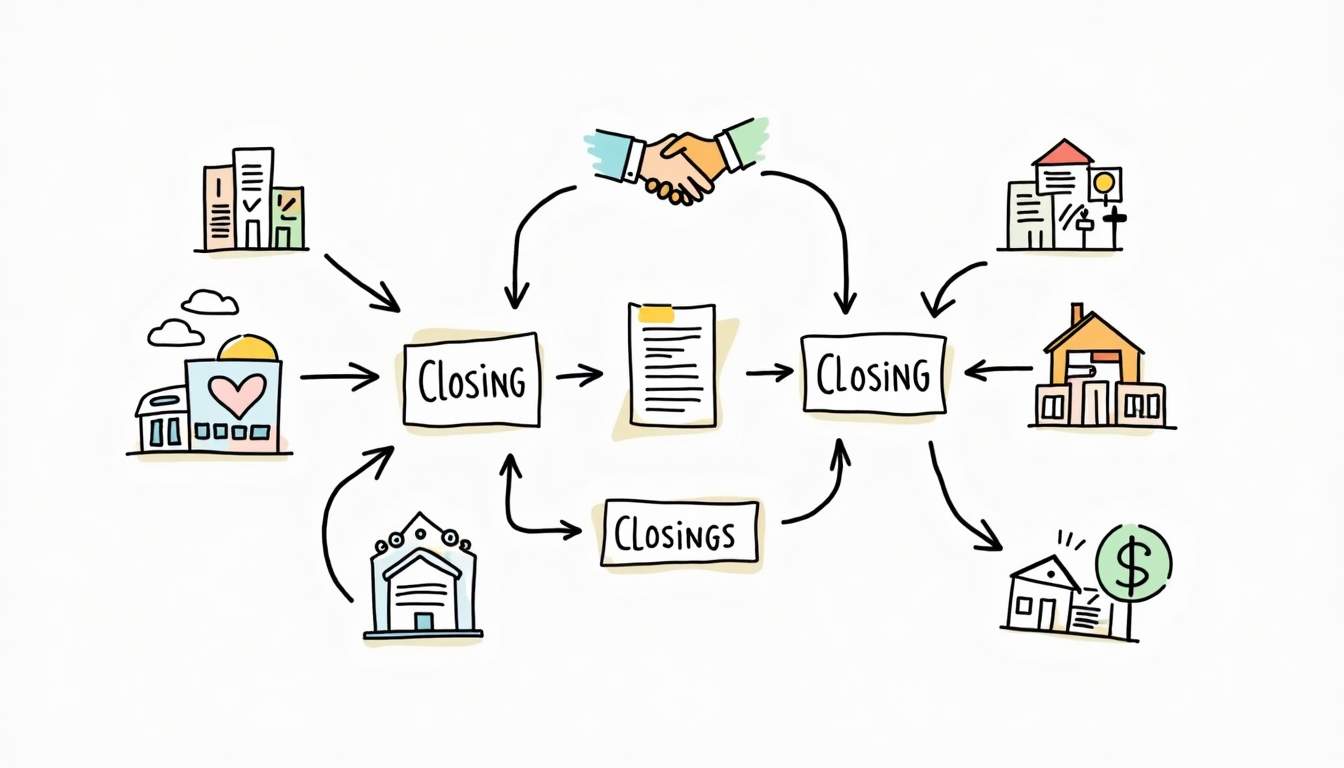
Preparation also involves anticipating potential objections and having solutions ready. For instance, if a buyer is concerned about financing, having trusted mortgage brokers or loan options available can help move the deal forward smoothly.
Communicating Value Clearly
During negotiations, focus on communicating the value of the property and the benefits it offers. Highlight unique features, potential for appreciation, or lifestyle advantages that align with the buyer’s priorities.
Clear communication helps justify your pricing and terms, making it easier for leads to see the deal as a worthwhile investment rather than just a transaction.
Handling Objections with Empathy and Solutions
Objections are a natural part of the sales process. Instead of viewing them as roadblocks, treat them as opportunities to understand concerns and provide reassurance.
Listen actively, acknowledge the lead’s perspective, and offer practical solutions. Whether it’s negotiating price, addressing repair issues, or clarifying contract terms, empathetic problem-solving builds rapport and moves the deal closer to closing.
Sealing the Deal and Ensuring Smooth Transactions
Once terms are agreed upon, guide your clients through the closing process with clear instructions and support. Coordinating with lawyers, inspectors, and lenders ensures that all aspects are handled efficiently.
Providing a seamless closing experience not only finalizes the current deal but also lays the groundwork for future referrals and repeat business.
Post-Deal Strategies to Maximize Long-Term Profitability
Maintaining Relationships for Future Opportunities
Closing a deal is not the end of your relationship with clients. Staying in touch through newsletters, market updates, or holiday greetings keeps you top of mind for future transactions.
Happy clients are more likely to refer friends and family, expanding your network and lead pool organically. Building a referral system can turn satisfied customers into powerful advocates for your business.
Analyzing Deal Outcomes to Improve Processes
Reviewing each closed deal helps identify what worked well and where improvements can be made. Analyze factors such as lead source quality, negotiation tactics, and client satisfaction to refine your strategies.
Continuous learning and adaptation ensure that you become more efficient and effective over time, increasing profitability with each subsequent deal.
Exploring Additional Revenue Streams
Beyond traditional buying and selling, consider diversifying your offerings to enhance profitability. Property management, rental services, or real estate consulting can provide steady income and deepen client relationships.
Offering value-added services positions you as a comprehensive real estate professional, attracting a wider range of leads and creating multiple avenues for profit.
Conclusion
Turning property leads into profitable deals requires a blend of strategic insight, relationship-building, and smart use of technology. By understanding your leads deeply, communicating effectively, leveraging tools, and mastering negotiation, you can significantly improve your conversion rates and business growth.
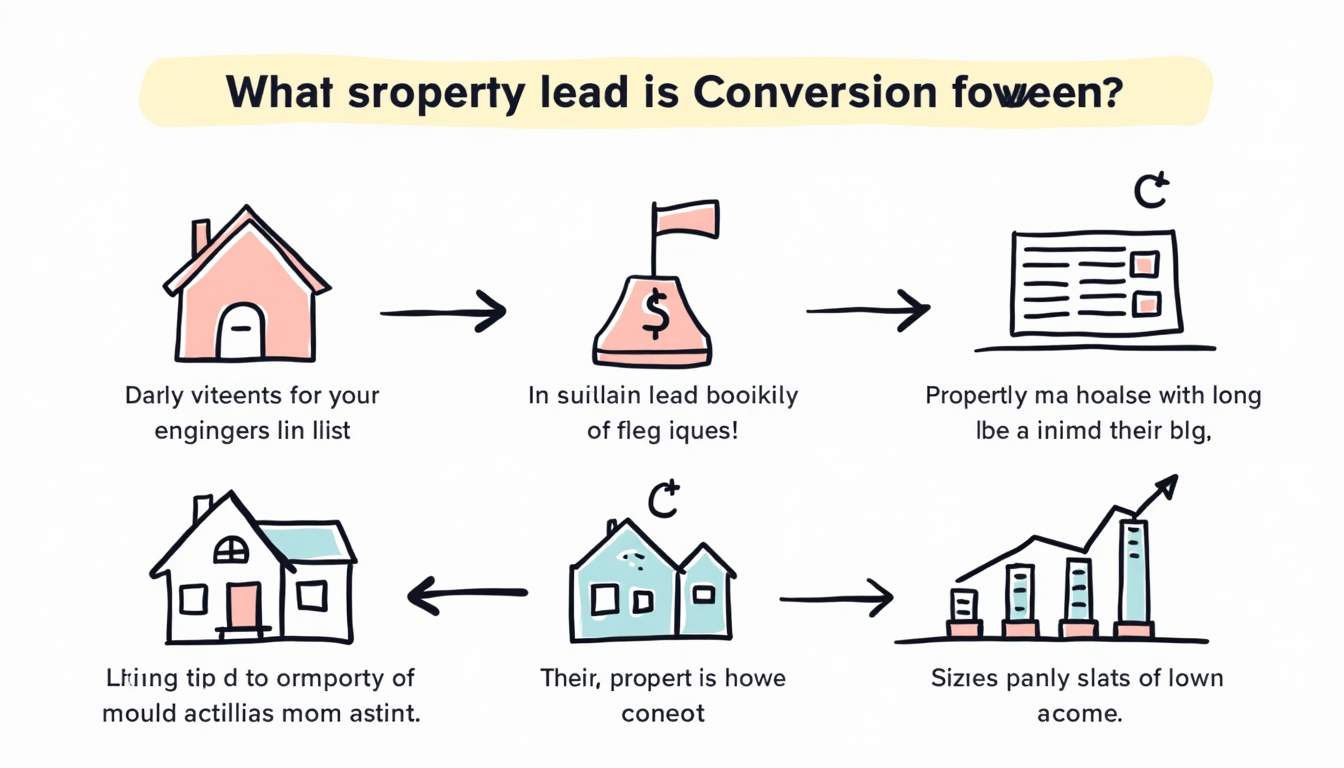
Remember, each lead represents a unique opportunity. Treating them with care and professionalism not only closes deals but also builds a reputation that fuels long-term success in the property market.




