
Hair transplant procedures have evolved significantly over the past two decades. Once considered invasive and painful, modern hair restoration methods have become more sophisticated, efficient, and minimally disruptive. However, while surgical techniques have seen major advancements, the recovery process is now where the next wave of innovation is taking place. Technology is transforming the post-surgery experience, making it faster, smoother, and more comfortable than ever before.
One of the main factors that people consider before undergoing a hair transplant is the hair transplant cost, but the post-operative recovery often becomes an unexpected challenge. In the past, recovery could involve weeks of discomfort, scabbing, and lifestyle restrictions. Fortunately, a new generation of tech-driven tools and clinical methods is beginning to reshape what patients can expect after their procedure.
The Rise of Smart Healing Devices
Just as wearables have become essential in the fitness and wellness space, they’re now entering the medical recovery sector. Smart healing caps and headbands, designed specifically for post-hair transplant patients, are helping accelerate tissue repair and follicle stabilization. These devices use low-level laser therapy (LLLT) and LED light to stimulate blood flow and cellular activity in the scalp.
The result is a reduction in inflammation, faster healing of the donor and recipient areas, and improved graft survival. These smart wearables are often paired with mobile apps that track healing progress, reminding patients when to apply treatment and offering real-time insights into their recovery. Instead of guessing whether the scalp is healing correctly, patients and surgeons now have access to valuable data that ensures optimal outcomes.
AI-Enhanced Post-Op Monitoring
Artificial intelligence is making inroads into every corner of healthcare, and hair restoration is no exception. One of the most promising applications is AI-powered image analysis for monitoring healing. Patients can now take photos of their scalp at different stages of recovery, and AI systems can analyze the images for signs of infection, swelling, or improper graft retention.
These AI tools not only reduce the number of in-person clinic visits but also allow for early intervention if something isn’t progressing as expected. Surgeons receive automated alerts and suggestions based on thousands of previous cases, giving them a broader context for decision-making. In essence, AI offers a personalized and proactive recovery experience that improves both safety and satisfaction.
Regenerative Medicine and Bio-Tech Interventions
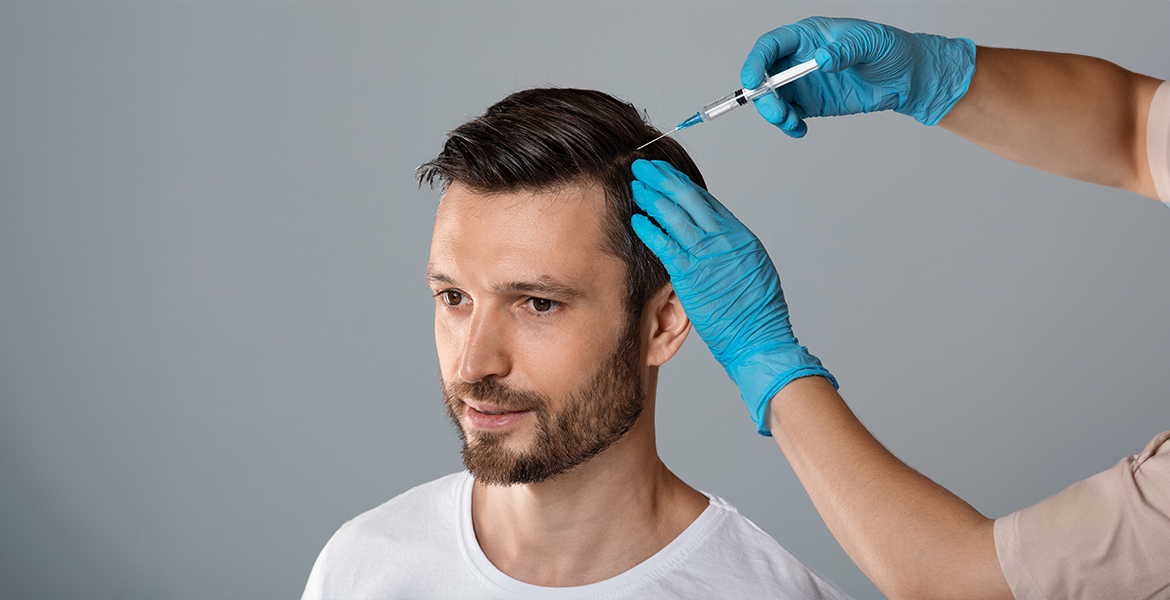
Perhaps the most exciting area in hair transplant recovery is regenerative medicine. Techniques such as PRP (Platelet-Rich Plasma) therapy are already widely used, but newer methods are building on this foundation. For example, exosome therapy—where tiny cellular messengers are extracted and injected into the scalp—is showing promising results in tissue regeneration and graft support.
Another groundbreaking approach involves using stem cells harvested from the patient’s fat or blood. These stem cells are then reintroduced into the scalp to encourage healing, strengthen follicles, and support new hair growth. As biotech companies continue refining these methods, the post-transplant period could one day involve zero visible downtime and immediate recovery benefits.
Telehealth and Virtual Recovery Support
The global shift toward telehealth has also impacted the hair restoration field. Clinics now offer virtual consultations not only for pre-surgery assessments but also for post-op follow-ups. Patients recovering from a hair transplant can now connect with their surgeons from the comfort of their homes, eliminating the need for physical travel and saving valuable time.
But virtual recovery is more than just video calls. Some platforms offer interactive 3D scalp maps, guided wound care tutorials, and AI-guided Q&A bots that can answer common concerns. This digital infrastructure ensures that patients never feel alone during their recovery, and that expert help is always just a tap away. For international patients, in particular, this creates a seamless experience across borders.
Personalized Recovery Plans Through Data Integration
Every patient is different, and hair transplant recovery can vary based on age, genetics, skin type, and procedure type. Recognizing this, clinics are now embracing personalized recovery models powered by data integration. Through pre-surgery assessments, biometric tracking, and genetic profiling, doctors can tailor recovery regimens for each individual.
This could mean customized medication schedules, nutrition plans to support scalp health, and even sleep monitoring to ensure adequate rest during crucial healing phases. Over time, these personalized recovery pathways could drastically reduce complication rates and increase long-term hair survival. Patients would no longer be following generic post-op advice—they’d be following a recovery plan built specifically for them.
Looking Ahead: Faster, Safer, Smarter Recovery
The convergence of technology, artificial intelligence, regenerative medicine, and telehealth is creating a new paradigm in hair transplant recovery. As these innovations continue to mature, the future points toward a recovery process that is not only more comfortable but also more effective and patient-centered.
Imagine a world where a patient receives a same-day hair transplant, wears a smart healing cap at night, checks their recovery progress via an AI-powered app, and receives personalized recovery tips based on real-time data. That future is closer than we think. With each new breakthrough, the barriers to undergoing a hair transplant are being lowered, giving more people access to results that are not only natural-looking but also achieved with minimal disruption to daily life.
For anyone considering a hair transplant today or in the future, it’s clear that recovery no longer has to be the intimidating part of the journey. Instead, it’s becoming a high-tech, well-supported, and personalized experience designed to set the foundation for long-lasting success.




