Surgical instruments form the backbone of modern medicine, enabling professionals to perform intricate procedures with accuracy and control. Among the wide range of tools used in operating theatres, the Dissector Penfield surgical instrument is a standout. Recognised for its versatility and precision, this instrument remains a vital component in numerous surgical specialities.
Understanding the Dissector Penfield
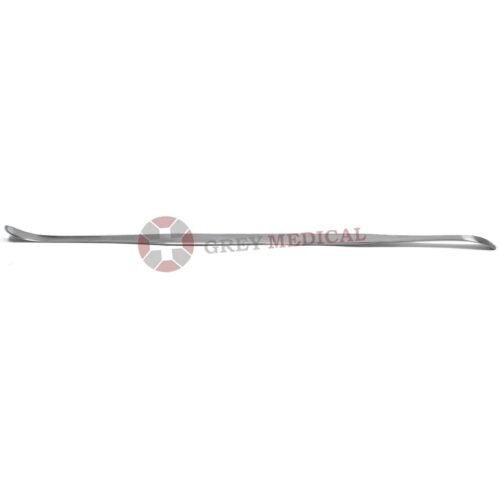
Named after Wilder Penfield, a pioneering neurosurgeon, the Dissector Penfield was designed to aid in delicate surgical operations, particularly in neurosurgery. A hallmark of the instrument is its design, which combines efficiency with sensitivity to the delicate nature of human anatomy. The tool generally features double-ended tips, each tailored for specific manoeuvres such as dissecting, retracting, or clearing soft tissue.
Crafted from high-grade surgical stainless steel, the Dissector Penfield is built to endure rigorous sterilisation processes while maintaining its structural integrity. Its ergonomic handle design allows surgeons to maintain a firm yet comfortable grip throughout lengthy procedures, minimising hand fatigue. While it is inherently known for neurosurgery applications, its universal appeal extends to other specialties, including otolaryngology, plastic surgery, and even cardiovascular surgery.
Applications of the Dissector Penfield in Modern Surgeries
The primary function of the Dissector Penfield surgical instrument is to offer surgeons unparalleled control during delicate operations. Its uses are particularly extensive in neurosurgery, where the removal or manipulation of tissue surrounding critical structures such as nerves and blood vessels is required.
One of its principal applications involves separating soft tissues, such as the meninges, without causing damage. The rounded ends of this instrument are specially designed to minimise trauma to adjacent structures, ensuring an optimal surgical outcome. It is also frequently used to create small openings for further exploration or to position grafts, implants, or other temporary surgical elements.
Specialities outside neurosurgery also utilise the instrument for procedures requiring precision. For instance, in otolaryngology, the tool becomes vital for accessing and clearing tissue in delicate areas of the ear or nasal cavity. Similarly, in reconstructive plastic surgery, surgeons rely on the Dissector Penfield to sculpt soft tissues delicately, preserving neighbouring anatomy while achieving aesthetic goals.
Benefits of the Dissector Penfield Surgical Instrument
The efficacy of any surgical instrument lies in its design and adaptability. The Dissector Penfield stands out for several reasons, making it indispensable in modern operating rooms.
First and foremost is its exacting design. The dual-functionality ensures that surgeons can switch between functions without needing to alternate instruments frequently. This not only reduces operative time but also enhances surgical precision. The rounded, non-aggressive tips of the instrument further lower the risk of accidental damage to adjacent soft tissues or critical structures.
Another intrinsic benefit of the Dissector Penfield surgical instrument is its unparalleled versatility. Adaptable to numerous procedures, it has become a go-to tool in environments requiring efficiency, such as trauma centres and high-pressure operating theatres. Additionally, its robust construction ensures that it withstands the demanding sterilisation protocols used to maintain a sterile field, offering durability that translates into long-term cost savings for medical institutions.
The Role of the Dissector Penfield in Modern Surgical Advancements
Advances in medical technology continually push the boundaries of what surgeons can achieve, and the tools they rely on must evolve alongside these innovations. The Dissector Penfield maintains its relevance by seamlessly integrating into modern surgical techniques, including minimally invasive and robotic-assisted procedures.
Minimally invasive surgery, which prioritises smaller incisions and reduced patient recovery time, often requires pinpoint control over tissue structures. The Penfield Dissector suits this approach perfectly due to its adaptability and gentle handling capabilities. Similarly, robotic-assisted surgeries, which require tools compatible with robotic arms, benefit from the instrument’s straightforward yet effective design.
Educational institutions also leverage this instrument when training future generations of surgeons. The ease of handling and the essential techniques associated with its use make it an excellent teaching tool, familiarising students with the tactile feedback and precision required in surgical settings.
Conclusion
The Dissector Penfield surgical instrument continues to play a pivotal role in shaping the future of medical procedures. Its precision, versatility, and thoughtful design make it an invaluable tool across a spectrum of surgical disciplines. Whether aiding neurosurgeons in navigating complex tissues or serving as a fundamental instrument in reconstructive surgeries, the Penfield embodies functionality and innovation.
For medical professionals and students alike, understanding and mastering the use of the Dissector Penfield is not just a skill; it is a necessity. With its continued presence in operating rooms worldwide, this surgical instrument cements its legacy as an essential companion in the delicate pursuit of medical excellence.