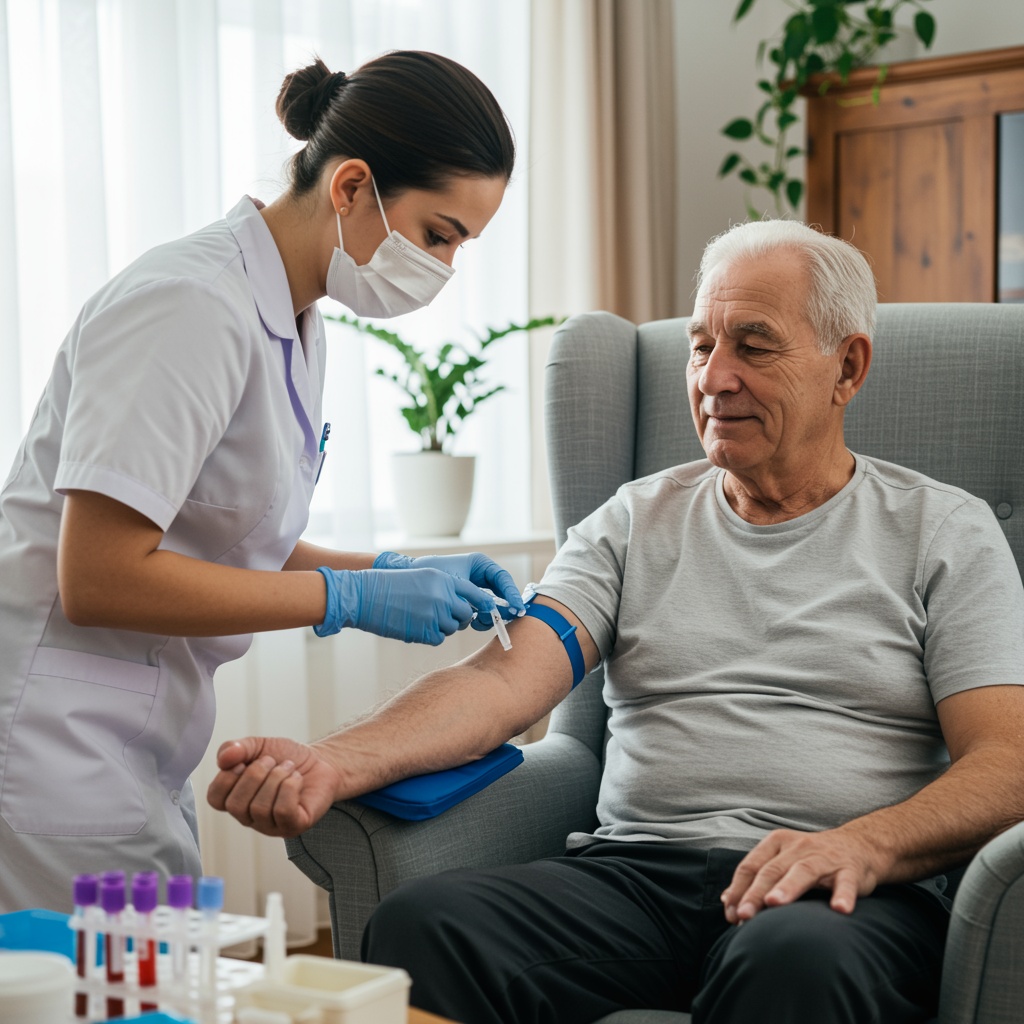
When your doctor orders a blood test, it’s often the first step toward diagnosis, monitoring, or prevention. But for many people, the idea of scheduling a blood test appointment can bring up questions, anxiety, or uncertainty. What’s involved? Will it hurt? How long will it take? What do you do afterward?
This comprehensive guide answers all your questions and walks you through everything you need to know about a blood test appointment—before, during, and after—so you feel confident and informed every step of the way.
What Is a Blood Test Appointment?
A blood test appointment is a scheduled session where a healthcare professional draws blood to analyze for various health markers. This blood is then sent to a laboratory, where it’s tested to provide insights into your overall health, organ function, immune status, nutritional levels, and more.
Blood tests can be used for:
Diagnosing diseases and infections
Monitoring chronic conditions like diabetes or thyroid disorders
Checking vitamin and mineral deficiencies
Assessing risk factors like high cholesterol
Pre-employment or travel health checks
Why Is It Important to Book a Blood Test Appointment?
Blood tests are one of the most effective and efficient diagnostic tools in modern medicine. Booking your blood test appointment ensures timely diagnosis, prevents disease progression, and helps doctors make informed decisions regarding your health.
Benefits of Timely Blood Testing:
Early detection of serious conditions
Ongoing monitoring for chronic illnesses
Baseline health data for future comparisons
Evaluating treatment effectiveness
Reducing risks through preventive care
Delaying your test can mean missing early warning signs of illnesses like diabetes, anemia, or high cholesterol.
Before the Appointment: How to Prepare
Proper preparation helps ensure your test results are as accurate and reliable as possible. Here are steps to take before your blood test appointment:
1. Confirm the Type of Test
Not all blood tests are the same. Some require fasting, others don’t. Your doctor or the diagnostic lab should inform you about:
Fasting requirements (usually 8–12 hours)
Medication adjustments (if any)
Time of day the test should be done
Hydration and activity guidelines
2. Fasting Guidelines
Common tests that require fasting include:
Blood glucose (sugar)
Lipid profile (cholesterol and triglycerides)
Liver and kidney function tests
Insulin and hormone panels
Tip: Book morning appointments to make fasting more manageable.
3. Hydrate
Drink water before the test unless your doctor tells you otherwise. Being well-hydrated helps with vein visibility and smooth blood flow.
4. Wear Comfortable Clothing
Choose clothes with sleeves that can easily be rolled up or short sleeves to make access to your vein simple.
5. Bring Essentials
Don’t forget:
Your doctor’s prescription
Health ID card or insurance info
List of current medications or supplements
A small snack for afterward if you were fasting
During the Blood Test Appointment: What Happens
If you’ve never had a blood test before or feel nervous, understanding the process can ease anxiety.
1. Check-in and Paperwork
Upon arrival, you’ll be asked to verify your identity, share your prescription, and possibly fill out a short health form.
2. Seating and Prep
A lab technician (phlebotomist) will ask you to sit or lie down. They’ll choose a vein, usually in your arm, clean the area with antiseptic, and wrap a tourniquet to make the vein more visible.
3. Blood Draw
Using a sterile needle, the technician will collect blood into one or more vials. The process takes only a few minutes.
Does it hurt?
You may feel a brief pinch or stinging sensation, but the procedure is generally quick and tolerable.
4. Post-Draw Care
After the draw:
Pressure is applied to stop bleeding
A cotton ball and bandage are placed over the site
You may be asked to wait briefly in case of dizziness
After the Appointment: What to Do Next
Once your blood test appointment is complete, you can resume your normal activities—though there are a few things to keep in mind.
1. Eat a Light Snack
If you were fasting, have a healthy snack or small meal to refuel your body and restore blood sugar.
2. Stay Hydrated
Drink water throughout the day to help your body recover and replenish fluids.
3. Avoid Strenuous Activity
Although rare, some people feel light-headed after a blood test. Avoid lifting heavy weights or vigorous exercise for a few hours.
4. Monitor for Bruising or Discomfort
It’s normal to have a small bruise or tenderness at the puncture site. Applying an ice pack or over-the-counter pain relief can help if needed.
How Long Do Blood Test Results Take?
Results typically arrive within 24 to 72 hours, depending on the type of test and the lab’s processing speed. Some specialized tests might take longer.
How You’ll Receive Your Results:
Through an online health portal
Via email or SMS
Printed report from the lab
Sent directly to your doctor
Once you receive the results, don’t attempt to interpret them yourself. Discuss them with your healthcare provider to understand what the numbers mean and what steps, if any, should follow.
Common Blood Tests and What They Measure
Here’s a breakdown of standard blood tests and the health insights they offer:
| Test Name | Measures |
|---|---|
| CBC (Complete Blood Count) | White/red blood cells, hemoglobin, platelets |
| Lipid Profile | Cholesterol, HDL, LDL, triglycerides |
| LFT (Liver Function Test) | Enzymes and proteins related to liver health |
| RFT (Renal Function Test) | Kidney health via urea, creatinine, electrolytes |
| FBS (Fasting Blood Sugar) | Glucose levels, diabetes screening |
| HbA1c | Average blood sugar over past 2–3 months |
| TSH/T3/T4 | Thyroid hormone levels |
| Vitamin B12/D | Nutritional deficiencies |
When Should You Book a Blood Test Appointment?
You may need a blood test:
Annually, as part of a regular health checkup
When you experience unexplained symptoms (fatigue, weight changes, dizziness)
If managing chronic diseases (like diabetes, thyroid, or high cholesterol)
Before or after surgeries or certain treatments
For employment, insurance, or travel requirements
Tips to Make Your Blood Test Appointment Stress-Free
Schedule wisely: Choose a time when you’re rested and calm
Avoid caffeine and smoking beforehand
Let the technician know if you’re nervous or prone to fainting
Breathe slowly and deeply to relax during the draw
Bring a distraction like music or a stress ball if anxious
Final Thoughts
A blood test appointment is one of the most important—and easiest—things you can do to protect your health. It provides valuable information that helps detect problems early, monitor treatment progress, and keep you on a path of preventive care.
By understanding the process and preparing properly, you can make your experience efficient, accurate, and stress-free.