
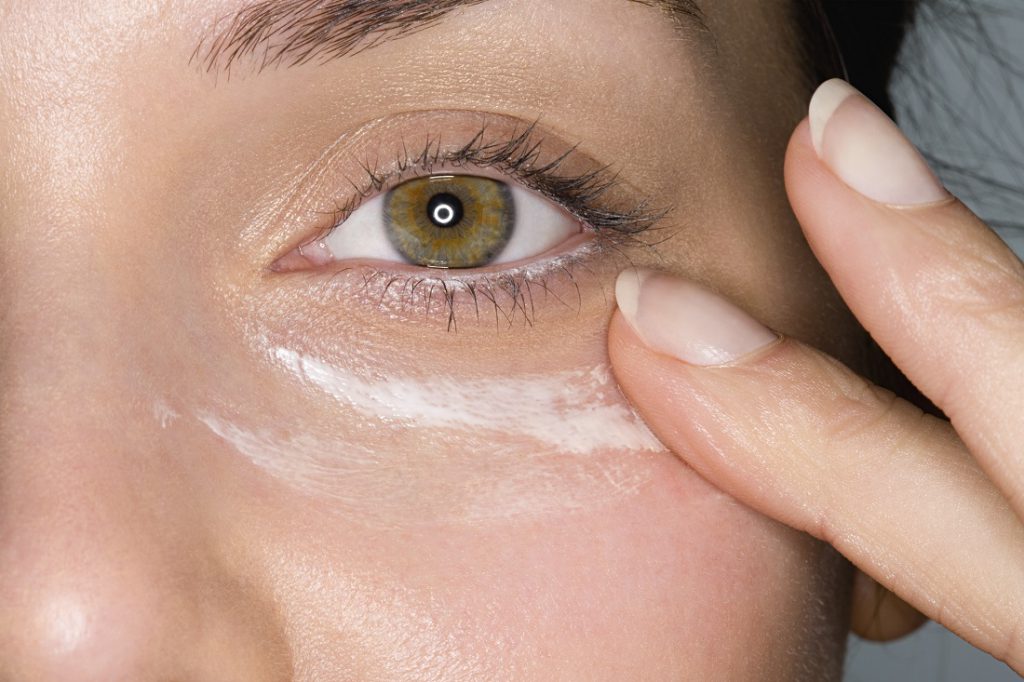
When it comes to skincare, dry skin poses a unique challenge. It often feels tight, flaky, and sensitive—especially under the sun. For people with dry skin, using the wrong sunblock can make things worse by increasing dryness or causing irritation. That’s why choosing the right sunblock for dry skin is essential—not just for sun protection, but also for restoring and maintaining hydration. Unlike typical sunblocks that only offer UV protection, modern formulas are designed to nourish and moisturize the skin while shielding it from harmful rays.
Why Traditional Sunblocks Fall Short for Dry Skin
Most regular sunblocks are created for general use and may include ingredients that can further dehydrate the skin—like alcohol, strong preservatives, or chemical filters that aren’t balanced with moisturizers. For dry skin, this creates a problem: instead of feeling comfortable, your skin can feel tight and uncomfortable shortly after application. That’s why dermatologists recommend using sunblocks specifically formulated with hydrating elements like hyaluronic acid, ceramides, aloe vera, or glycerin. These ingredients not only keep the skin soft but also lock in moisture throughout the day.
Key Ingredients That Make a Difference
When choosing a sunblock for dry skin, it’s important to look at the label. A good product will contain both sun protection ingredients and nourishing elements that address dryness. Some of the best hydrating ingredients include:
Hyaluronic Acid: Helps retain water and improves skin elasticity.
Glycerin: A classic humectant that draws moisture from the air into the skin.
Ceramides: Help restore the natural skin barrier.
Aloe Vera: Soothes and hydrates dry, irritated skin.
Vitamin E: Offers antioxidant benefits while providing moisture.
These ingredients work synergistically with SPF agents like zinc oxide or titanium dioxide (physical blockers), or avobenzone and octocrylene (chemical blockers), to provide both moisture and sun defense.
SPF and PA Ratings: What to Look For
For dry skin, the SPF number matters just as much as the formulation. Dermatologists recommend an SPF of at least 30 for daily use, and higher for extended sun exposure. Look for the PA rating as well (common in Asian sunblocks), which indicates UVA protection. PA+++ or PA++++ is ideal for dry skin users who need full-spectrum protection to avoid premature aging and sun damage.
More importantly, avoid sunblocks that boast “matte finish” or “oil-free” if you have dry skin. These are typically better suited for oily or acne-prone skin and may leave your face feeling parched. Instead, go for “hydrating,” “moisturizing,” or “cream-based” formulas.
Top Benefits of Using the Right Sunblock for Dry Skin
Choosing a sunblock tailored for dry skin comes with a variety of benefits that extend beyond basic UV protection:
Prevents Sun-Induced Moisture Loss: Some UV rays not only damage DNA but also contribute to water evaporation from the skin. Hydrating sunblocks help trap moisture.
Reduces Flakiness and Irritation: With soothing agents like aloe or chamomile, these sunblocks reduce the discomfort often associated with dry, tight skin.
Improves Skin Texture Over Time: Regular use of moisturizing SPF helps maintain smooth, soft skin and prevents rough patches or dry spots.
Anti-Aging Effects: Many sunblocks for dry skin are infused with antioxidants and anti-aging ingredients that prevent fine lines and wrinkles caused by sun exposure.
Application Tips for Maximum Protection and Hydration
Using sunblock correctly can enhance its benefits and ensure your skin stays protected and moisturized all day. Here are some expert tips:
Apply on Damp Skin: After cleansing, apply a moisturizer and then sunblock while your skin is still slightly damp to seal in hydration.
Layering is Key: If your skin is very dry, consider using a rich moisturizer before applying your sunblock. This helps create a stronger moisture barrier.
Reapply Every 2 Hours: Especially if you’re spending time outdoors. Opt for a cream-based or hydrating spray formula for touch-ups.
Use Even on Cloudy Days: UV rays can still penetrate through clouds, and dry skin can be affected year-round.
Don’t Skip Lip and Eye Areas: Use a hydrating lip balm with SPF and apply sunblock gently around the eyes to avoid dryness in those sensitive spots.
Best Sunblock for Dry Skin: What to Look For
Not all sunblocks are created equal, and for dry skin, the best ones combine protection with nourishment. Some qualities to look for:
Cream or Lotion Texture: Lightweight gels or sprays often lack the hydrating power needed for dry skin.
No Alcohol or Fragrances: These can further dry out or irritate sensitive skin types.
Dermatologist-Tested or Non-Comedogenic: This ensures the formula won’t clog pores or cause adverse reactions.
Additionally, mineral-based sunblocks tend to be gentler and more moisturizing than their chemical counterparts. Brands that specialize in sensitive or dry skin types usually formulate with extra care, often including plant-based ingredients and hypoallergenic formulas.
Conclusion
Finding the right sunblock for dry skin is about more than just SPF—it’s about hydration, barrier repair, and comfort. When you choose a formula specifically made for your skin type, you get the dual benefits of sun protection and deep moisture. Whether you’re out in the sun or just going about your day indoors, applying a hydrating sunblock should be a non-negotiable part of your routine. Your skin will thank you with a soft, smooth texture and lasting glow that radiates health and protection.




