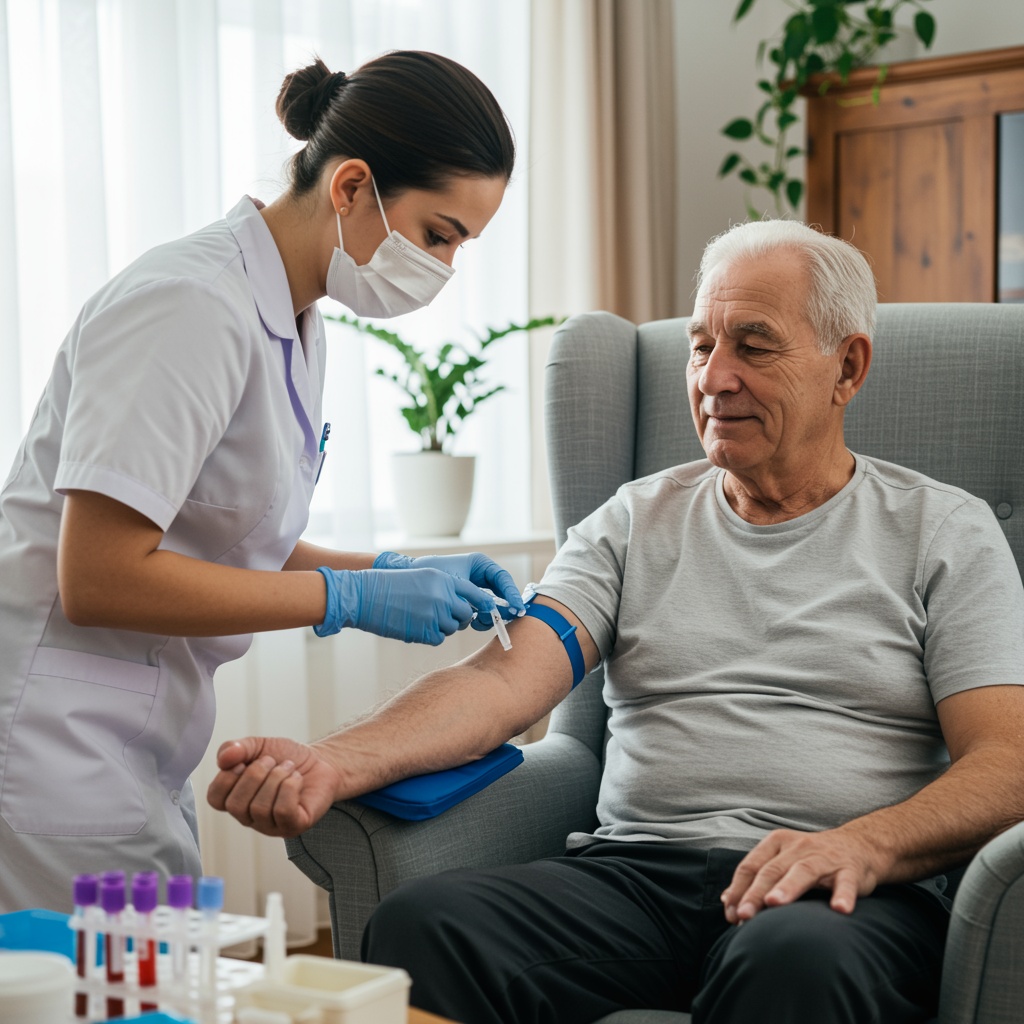
Preventive healthcare starts with awareness—and one of the simplest yet most powerful tools in your wellness arsenal is the physical exam checklist. A physical exam helps uncover health issues early, monitor chronic conditions, and build a strong foundation for a healthier future.
In this article, we break down a step-by-step physical exam checklist, designed to help you prepare thoroughly and know exactly what to expect.
What Is a Physical Exam?
A physical exam, also known as a general health checkup, is a routine assessment performed by a physician to evaluate your overall health. It’s an opportunity to:
Catch health problems before they become serious
Update vaccinations
Monitor existing medical conditions
Promote lifestyle changes for better long-term wellness
Who Should Get a Physical Exam—and How Often?
Adults aged 18–39: Every 2–3 years, or annually if you have risk factors
Adults aged 40–64: Annually is recommended
65 and older: Annual exams with age-specific screenings
People with chronic conditions: As advised by your physician
No matter your age, a proper physical exam checklist can help you maximize the benefits of each visit.
Step-by-Step Physical Exam Checklist
1. Before the Appointment: Prep Like a Pro
✔ Compile your full medical history
✔ Bring a list of medications, supplements, and allergies
✔ Note down current symptoms or changes in your health
✔ Carry your insurance details and ID
✔ Confirm if fasting is required for lab tests
Bonus Tip: Write down any questions you have for your doctor ahead of time.
2. At the Clinic: What the Doctor Will Check
Here’s the detailed breakdown of what typically happens during a physical exam:
a. Health History Review
Your doctor will ask about:
Family history of diseases
Past surgeries or hospitalizations
Mental health and emotional well-being
Diet, exercise, alcohol, and smoking habits
b. Vital Signs Measurement
These give a baseline of your overall physical state:
Blood pressure
Heart rate (pulse)
Respiratory rate
Temperature
Weight and height (used to calculate BMI)
c. Physical Observations
The physician will observe:
Skin tone and texture
Eye movements
Speech and alertness
Posture and walking pattern
3. Physical Examination by Body System
Head and Neck
Eyes, ears, throat, and nasal passages
Lymph nodes
Thyroid gland
Cardiovascular System
Heart rhythm and sounds
Pulse strength and rate
Signs of swelling (edema) in limbs
Respiratory System
Lung sounds (breathing clarity, wheezing, crackles)
Chest symmetry
Abdominal Area
Palpation for tenderness or abnormal masses
Liver and spleen size
Bowel sounds via stethoscope
Neurological System
Reflexes and coordination
Muscle strength
Sensory responses
Musculoskeletal System
Joint flexibility
Range of motion
Spine curvature and muscle tone
Skin
Rashes, unusual moles, or lesions
Signs of infections or allergies
4. Gender-Specific Exams
Depending on your age and gender, your doctor may also conduct:
For Women:
Breast exam
Pelvic exam (Pap smear if due)
Discussion of menstrual health, birth control, menopause, or pregnancy plans
For Men:
Prostate exam (typically 50+)
Testicular exam
Hernia check
5. Recommended Screenings Based on Age & Risk
A thorough physical exam checklist should include age-appropriate screenings:
| Screening | Suggested Age/Frequency |
|---|---|
| Blood pressure | Every visit or annually |
| Cholesterol test | Age 20+ every 4–6 years |
| Diabetes screening | Age 35+ or earlier if overweight |
| Colonoscopy | Age 45+ every 10 years |
| Mammogram (women) | Age 40+ every 1–2 years |
| Bone density (women) | Age 65+ or earlier if risk factors |
| Vision and hearing tests | Every 1–2 years (50+) |
| Skin cancer screening | As needed based on risk |
6. Common Lab Tests After a Physical
Depending on your health and age, your doctor may order:
CBC (Complete Blood Count)
Lipid panel (cholesterol levels)
Blood sugar/glucose test
Thyroid function test
Urinalysis
Liver and kidney function tests
These tests help detect hidden issues like anemia, diabetes, liver problems, or infections.
7. Immunizations and Preventive Services
Your doctor will review and update any needed vaccines, such as:
Tetanus and diphtheria (Tdap)
Influenza (flu shot)
COVID-19 booster
HPV vaccine
Hepatitis A/B
Pneumonia (age 65+)
Shingles vaccine (age 50+)
Preventive services like counseling for smoking cessation, diet, or exercise may also be offered.
8. Post-Exam: Follow-Up and Next Steps
After your checkup:
Review your test results with your doctor
Follow up on any abnormal findings
Implement suggested lifestyle changes
Schedule your next exam or referral if needed
Keep a copy of your results for personal records
Benefits of Using a Physical Exam Checklist
✅ Improves communication with your healthcare provider
✅ Ensures all tests and questions are covered
✅ Helps you track your progress over time
✅ Supports early detection of chronic conditions
✅ Empowers you to make informed health decisions
Final Thoughts
A well-organized physical exam checklist turns your annual checkup into a valuable health experience. It prepares you to advocate for your health, get accurate evaluations, and take proactive steps toward better wellness.
Preventive care is not just about reacting to illness—it’s about staying ahead. And it all starts with a checklist.
FAQs: Step-by-Step Physical Exam Checklist
Q1. Is this checklist the same for men and women?
Mostly, yes—but gender-specific exams like breast, pelvic, or prostate checks differ.
Q2. Do I need to fast before my physical exam?
Only if your doctor has ordered fasting blood work. Confirm in advance.
Q3. How long does the physical exam take?
Typically 30–60 minutes, depending on the extent of tests and discussion.
Q4. What should I wear to a physical exam?
Loose-fitting clothes for easy examination access; minimal jewelry or makeup.
Q5. Can I bring someone with me?
Yes, especially if you’re elderly, nervous, or need help remembering instructions.