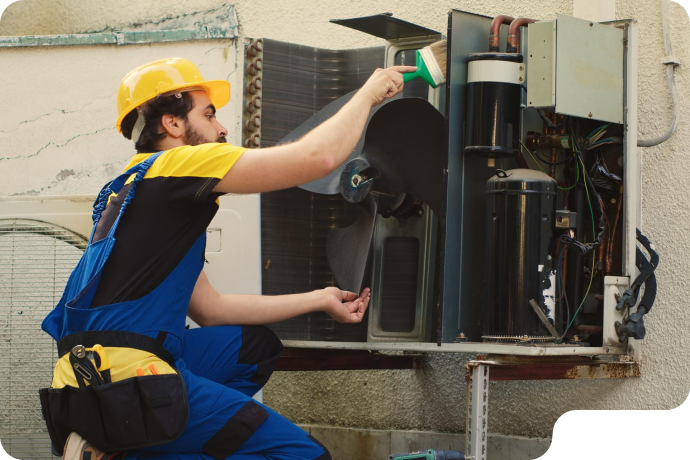
As the world becomes increasingly conscious of environmental challenges and rising utility costs, homeowners are seeking practical ways to save energy without compromising comfort. Home energy saving tips not only benefit your wallet but also contribute to a more sustainable planet. Whether you’re living in a compact apartment or a large house, the right strategies can make a significant impact. In this guide, we’ll explore easy and effective ways to reduce your household’s energy consumption.
1. Switch to LED Lighting
One of the simplest yet most effective energy-saving changes is replacing traditional incandescent bulbs with LED lights. LED bulbs use up to 80% less energy and last significantly longer. You can start by replacing lights in high-use areas like the kitchen, bathroom, and living room.
Quick Tip: Use dimmer switches or motion sensors for additional control and savings.
2. Unplug Idle Electronics
Devices like televisions, game consoles, chargers, and microwaves consume electricity even when turned off—a phenomenon known as “phantom load.” Consider using power strips to easily disconnect multiple devices at once when they’re not in use.
Bonus: Smart plugs can be scheduled to shut off automatically, saving energy even while you sleep.
3. Install a Smart Thermostat
Heating and cooling account for nearly half of a typical household’s energy use. Smart thermostats learn your routine and adjust temperature settings automatically for maximum efficiency. They can also be controlled remotely via your smartphone.
Pro Tip: Set the thermostat lower during winter nights and higher during summer days when you’re not at home.
4. Seal Drafts and Insulate
Poor insulation and air leaks around windows and doors can make your heating and cooling systems work harder. Sealing these leaks and adding insulation in attics and walls can dramatically reduce your energy bills.
DIY Idea: Use weatherstripping or caulk to seal visible gaps and cracks.
5. Use Energy-Efficient Appliances
When it’s time to replace old appliances, look for the ENERGY STAR label. These certified appliances consume less energy without sacrificing performance.
Appliance Checklist:
Refrigerators
Washing machines
Dishwashers
Water heaters
Did You Know? An ENERGY STAR fridge uses about 15% less energy than non-certified models.
6. Optimize Laundry Habits
Your washer and dryer are some of the most energy-consuming devices at home. Here are a few laundry-specific tips:
Wash clothes in cold water.
Run full loads.
Hang dry clothes when possible.
Insider Tip: Clean the dryer lint filter regularly to maintain optimal performance.
7. Embrace Natural Lighting and Ventilation
Daylight is free! Use natural sunlight during the day instead of turning on lights. Also, open windows in cooler weather for ventilation instead of relying on fans or AC units.
Creative Idea: Install skylights in darker areas of the house for long-term natural lighting.
8. Adjust Water Heating Temperature
Most water heaters are set higher than necessary. Lowering the temperature to 120°F (49°C) can save energy and reduce the risk of scalding.
Maintenance Tip: Flush your water heater annually to remove sediment buildup and improve efficiency.
9. Use Ceiling Fans Effectively
Ceiling fans help circulate air, making your heating and cooling systems more effective. Make sure the fan direction is set correctly:
Clockwise in winter to push warm air down.
Counterclockwise in summer for a cooling breeze.
Energy Hack: Fans cool people, not rooms. Turn them off when the room is empty.
10. Invest in Solar Energy
Although the upfront cost is higher, installing solar panels can significantly reduce (or even eliminate) your electricity bill over time. Many governments also offer incentives or rebates to make the switch easier.
Long-Term Benefit: Solar energy increases your property’s value and lowers your carbon footprint.
11. Smart Window Treatments
Window coverings can help regulate indoor temperature. Heavy curtains or thermal blinds can keep the heat in during winter and block it out during summer.
Extra Advantage: They also offer privacy and noise reduction.
12. Monitor and Track Usage
Many energy companies offer online tools or apps to track your energy consumption. Use these insights to understand where you can cut back and identify peak usage times.
Tech Tip: Energy monitoring devices like Sense or Emporia can offer real-time updates and suggestions.
13. Make Conscious Behavioral Changes
Sometimes the most powerful change starts with awareness:
Turn off lights when leaving a room.
Take shorter showers.
Cook with lids on pots to retain heat.
Family Challenge: Set monthly energy-saving goals and reward the household for hitting them.
14. Landscaping for Energy Efficiency
Believe it or not, your yard can help save energy too. Planting shade trees around your home can reduce cooling needs in summer, while windbreaks like hedges or fences can block cold winter winds.
Fun Fact: Proper landscaping can reduce your home’s energy use by up to 25%.
15. Engage the Whole Household
Getting everyone involved makes energy-saving efforts more effective. Teach kids the importance of turning off electronics, closing the fridge quickly, and using fans wisely.
Group Tip: Create a checklist of energy-saving habits and post it on the fridge as a daily reminder.
Conclusion
Reducing home energy use is easier than it seems. With a combination of ink twists behavioral changes, and a little investment, you can lower your bills and your environmental impact.