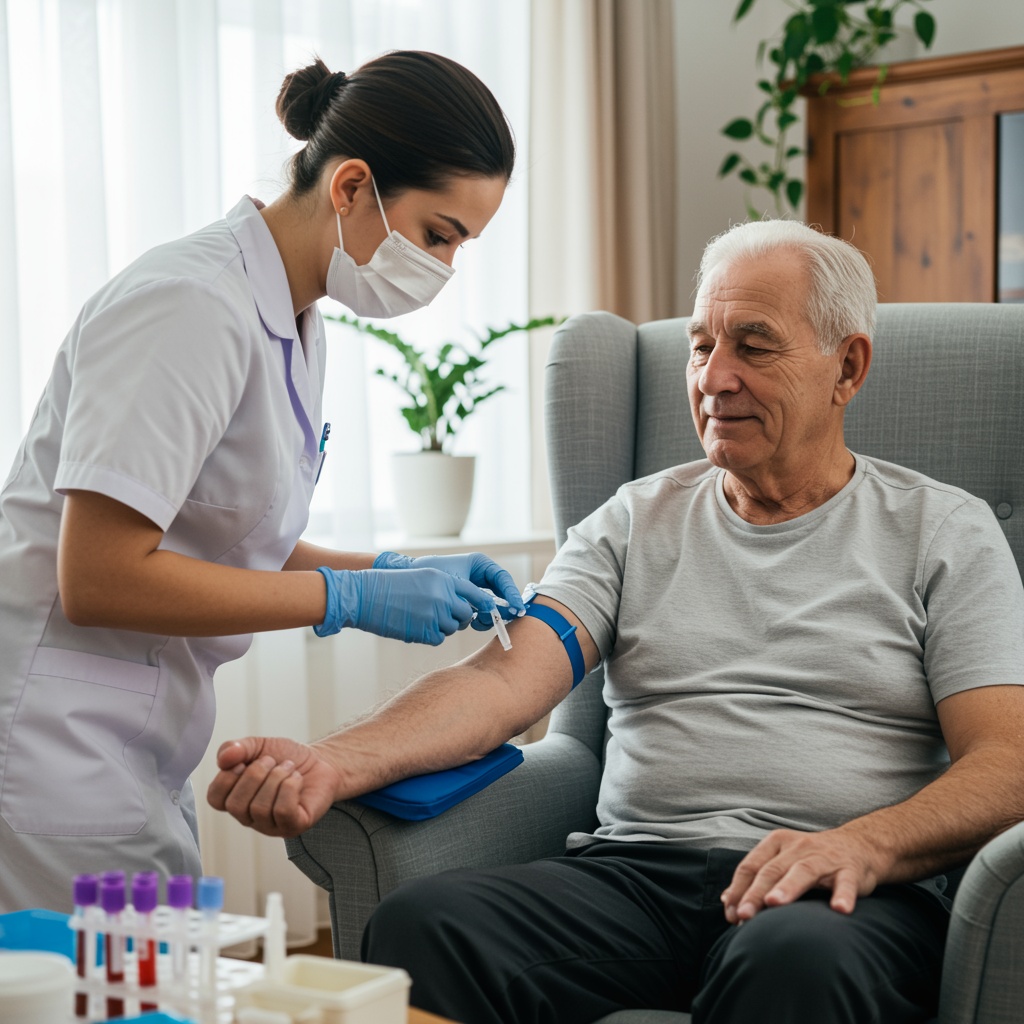
Most minor cuts, scrapes, and wounds heal without much intervention. But when a wound lingers, shows signs of infection, or refuses to close, it can become a serious medical issue. In these situations, it’s important to recognize the signs early and seek the expertise of a wound care specialist. These medical professionals are trained to manage complex, chronic, or non-healing wounds and provide advanced care options.
What Is a Wound Care Specialist?
A wound care specialist is a medical professional who focuses on diagnosing, treating, and managing complicated or non-healing wounds. They use advanced tools, techniques, and therapies to promote proper healing while preventing infection and other complications.
These specialists care for various types of wounds, including:
Diabetic foot ulcers
Pressure sores
Surgical wounds
Burns
Venous ulcers
Infected wounds
Why Wound Care Requires Expertise
Not all wounds respond to standard first-aid treatments. Certain factors can delay or impair the natural healing process, such as:
Poor circulation
Underlying chronic conditions like diabetes
Immune system issues
Infections
Excess moisture or dryness
Poor nutrition
A wound care specialist addresses both the wound itself and these contributing health factors, offering a comprehensive care plan designed to restore tissue health.
Common Signs You Should See a Wound Care Specialist
Ignoring a problematic wound can lead to serious health risks. Here are clear signs it’s time to consult a wound care specialist:
Wound Not Healing Within 14 Days
If a wound hasn’t closed or improved after two weeks of care, it may require specialized treatment.
Increasing Pain or Swelling
Persistent or worsening pain, swelling, or redness can signal infection or poor healing.
Unusual or Foul-Smelling Drainage
Clear fluid is normal in the early stages, but thick, discolored, or foul-smelling discharge is a sign of infection that needs expert care.
Visible Tissue Changes
If the wound develops black, yellow, or gray tissue (known as necrosis or slough), immediate intervention is necessary.
Fever or Chills
Fever may indicate that an infection has spread beyond the wound site, requiring specialized treatment.
Wounds in High-Risk Areas
Wounds on the feet, especially for diabetics or those with poor circulation, need prompt assessment by a wound care specialist.
What Happens During a Wound Care Appointment?
Visiting a wound care specialist involves a comprehensive examination and customized treatment plan. Typical steps include:
Detailed Wound Evaluation
The specialist will assess the wound’s size, depth, type, drainage, and signs of infection. They’ll also review your medical history and underlying conditions.
Cleaning and Debridement
Removing dead or infected tissue through debridement helps create a clean environment for new tissue growth.
Wound Dressing Selection
Specialists choose from a range of dressings, including:
Foam dressings
Hydrogel sheets
Antimicrobial dressings
Alginate or hydrocolloid dressings
Each is selected based on wound type and stage.
Advanced Therapies
A wound care specialist may recommend advanced treatments such as:
Hyperbaric oxygen therapy
Negative pressure wound therapy (wound vac)
Bioengineered skin substitutes
Electrical stimulation therapy
These therapies accelerate healing and reduce complications.
Care for Underlying Health Issues
Since chronic conditions often hinder healing, a wound care specialist collaborates with your other healthcare providers to manage issues like blood sugar control, vascular problems, or malnutrition.
Types of Wounds Managed by Wound Care Specialists
Wound care specialists treat a wide range of wounds that either heal poorly or risk complications:
Diabetic Foot Ulcers
Caused by nerve damage and poor circulation, these ulcers often form on the feet of people with diabetes.
Venous Leg Ulcers
These result from poor blood return in the legs and require compression therapy, specialized dressings, and often advanced wound treatments.
Pressure Ulcers
Common in patients with limited mobility, these sores develop from prolonged pressure on the skin, particularly over bony areas.
Post-Surgical Wounds
Some surgical wounds fail to heal due to infection or poor blood supply, requiring professional intervention.
Traumatic and Burn Wounds
Severe injuries or burns with tissue loss or infection risk benefit from specialized wound care.
Risks of Untreated Chronic Wounds
Leaving a wound untreated or improperly managed can result in:
Localized infections
Tissue necrosis
Sepsis
Amputation
Long-term disability
A wound care specialist significantly reduces these risks by applying medical-grade treatments and closely monitoring progress.
How Wound Care Specialists Promote Faster Healing
A wound care specialist not only treats the wound but also supports the body’s natural healing processes. Techniques include:
Moist Wound Healing
Keeping a wound appropriately moist (but not wet) encourages new tissue formation and reduces scarring.
Infection Control
Using antiseptics, antibiotics, and antimicrobial dressings helps prevent bacterial growth and related complications.
Pressure Management
Reducing pressure on certain areas, especially in cases of pressure ulcers or diabetic foot wounds, enhances blood flow and tissue recovery.
Nutritional Guidance
Wound healing requires protein, vitamins (especially C and E), zinc, and other nutrients. Specialists often recommend dietary changes or supplements.
Patient Education
Teaching patients how to care for their wounds at home ensures that treatment continues effectively outside the clinic.
When to Request a Referral or Specialist Appointment
If you or a loved one has a wound with any of the following characteristics, it’s time to consult a wound care specialist:
Not healing after two weeks
Signs of infection (warmth, swelling, pus)
Increasing pain
Wounds in high-risk areas like the feet or lower legs
Wounds with exposed bone or tendon
Wounds in people with diabetes, vascular disease, or limited mobility
Early intervention by a specialist can prevent complications and save tissue, limbs, and lives.
FAQs About Wound Care Specialists
Q1: What should I expect at my first wound care visit?
A: Your wound care specialist will perform a detailed assessment, clean the wound, possibly remove dead tissue, and select an appropriate dressing. You’ll also receive a care plan outlining follow-up visits and home care instructions.
Q2: Are wound care treatments painful?
A: Some procedures like debridement may cause mild discomfort, but local anesthetics and pain management options are often available.
Q3: How often will I need to visit a wound care specialist?
A: This depends on the wound’s severity. Some cases require daily or weekly visits, while others might need less frequent monitoring as healing progresses.
Q4: What is a wound vac, and when is it used?
A: A wound vac (negative pressure wound therapy) uses suction to remove fluids, increase blood flow, and promote healing. It’s often used for large, infected, or slow-healing wounds.
Q5: Can chronic wounds be completely healed?
A: Many chronic wounds can heal with professional care, though healing time varies. Factors like underlying health issues and wound severity affect outcomes, but a wound care specialist maximizes your chances for recovery.