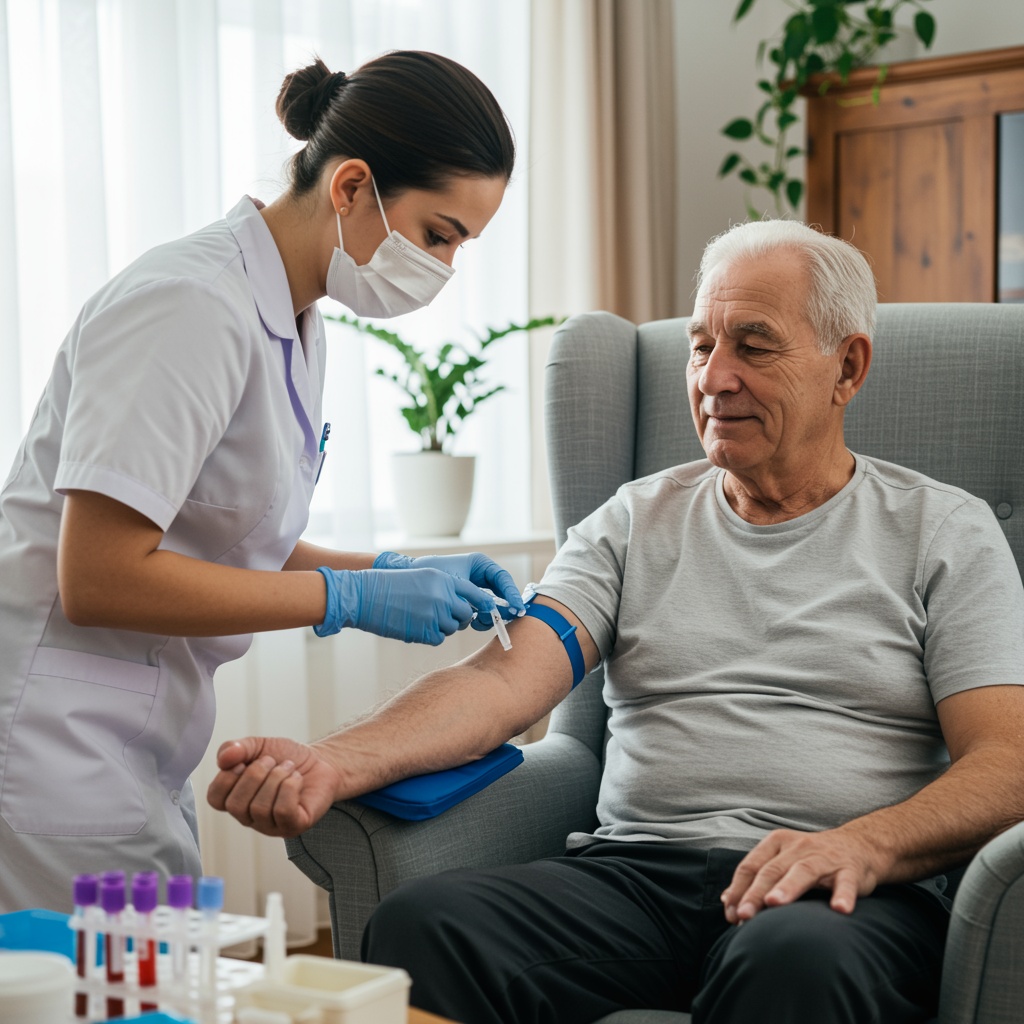
Cancer treatment remains one of modern medicine’s biggest challenges. As researchers explore complementary approaches, the Reishi Mushroom has emerged as a subject of serious scientific investigation. This ancient fungus, used in traditional medicine for centuries, is now under the microscope for its potential role in supporting cancer care.
What is Reishi Mushroom?
Reishi mushroom, scientifically known as Ganoderma lucidum, grows on hardwood trees across various climates. Traditional Chinese medicine has valued this mushroom for over 2,000 years, calling it the “mushroom of immortality.”
The distinctive reddish-brown cap and woody texture make reishi easy to identify. Unlike culinary mushrooms, reishi is too bitter and tough to eat directly. People typically consume it as extracts, powders, or teas.
Current Research Landscape
Scientists have conducted numerous laboratory and animal studies examining reishi’s properties. These investigations focus on specific compounds found in the mushroom, particularly polysaccharides and triterpenes.
Research papers published in peer-reviewed journals describe how these compounds interact with cellular processes. Laboratory studies show that reishi extracts affect cancer cell behavior in controlled environments. Animal studies provide additional data about potential mechanisms.
However, understanding the gap between laboratory findings and human applications remains critical. What happens in a petri dish doesn’t automatically translate to the human body.
Immune System Support
One area drawing significant research attention is reishi’s effect on immune function. The immune system plays a vital role in identifying and addressing abnormal cells.
Studies indicate reishi compounds may influence immune cell activity. Specific research has examined how polysaccharides from reishi interact with white blood cells, including natural killer cells and T-cells.
These immune cells form your body’s defense system. Research suggests reishi extracts might enhance their function, though the exact mechanisms need further investigation.
For people undergoing cancer treatment, maintaining immune function becomes particularly important. Chemotherapy and radiation can suppress immune response, making support in this area valuable.
Anti-Inflammatory Properties
Chronic inflammation creates an environment where cellular problems can develop. Researchers have studied reishi’s anti-inflammatory compounds extensively.
Laboratory work demonstrates how certain reishi components affect inflammatory pathways. These compounds appear to modulate specific proteins and enzymes involved in inflammatory responses.
Reducing inflammation doesn’t directly treat cancer, but it may create a less favorable environment for abnormal cell growth. This represents one piece of a larger puzzle researchers are working to understand.
Antioxidant Activity
Oxidative stress occurs when harmful molecules called free radicals damage cells. This damage accumulates over time and contributes to various health problems.
Reishi contains compounds with antioxidant properties. Studies show these antioxidants neutralize free radicals in laboratory settings. The triterpenes found in reishi demonstrate particularly strong antioxidant activity.
Protection against oxidative damage supports overall cellular health. While this doesn’t constitute cancer treatment, it represents one way reishi might contribute to general wellness.
Quality of Life Considerations
Beyond direct cellular effects, some research examines how reishi affects the quality of life for people facing serious health challenges.
Studies have looked at factors like fatigue, sleep quality, and general well-being. Some research participants reported improvements in these areas when taking reishi supplements alongside conventional treatment.
These quality-of-life factors matter tremendously. Feeling better day-to-day affects treatment tolerance and overall experience. Even modest improvements in energy or sleep can make significant differences.
Understanding Study Limitations
Critical evaluation of research requires acknowledging limitations. Most reishi studies face several challenges:
Laboratory studies use concentrated extracts at doses difficult to achieve through supplementation. Cell cultures don’t replicate the complexity of living organisms. Animal studies provide useful data but don’t guarantee human results.
Human studies remain limited in number and scope. Many existing studies involve small participant groups or short timeframes. Controlled clinical trials with large populations are still needed.
Dosage standardization presents another challenge. Reishi products vary widely in concentration and active compound content. This makes comparing study results difficult.
Safety Profile
Research generally indicates reishi has a favorable safety profile when used appropriately. Most studies report minimal side effects at recommended doses.
Some people experience digestive discomfort, particularly when first starting supplementation. Dry mouth and skin rashes occur occasionally. These effects typically resolve with discontinued use.
Reishi may interact with certain medications, particularly blood thinners and immunosuppressants. Anyone taking prescription medications should consult healthcare providers before adding reishi supplements.
People scheduled for surgery should stop reishi supplementation beforehand due to potential bleeding concerns.
What Researchers Say?
Scientific publications on reishi and cancer typically use cautious language. Researchers emphasize the preliminary nature of current findings.
Studies describe reishi as “potentially beneficial” or “warranting further investigation.” This careful phrasing reflects scientific standards and the current state of evidence.
No major medical organizations currently recommend reishi as a cancer treatment. However, research interest continues to grow, with new studies published regularly.
Practical Considerations
For those considering reishi supplementation, several factors deserve attention:
Product quality varies significantly between manufacturers. Look for supplements tested by third-party laboratories. These tests verify ingredient content and check for contamination.
Extraction methods affect compound availability. Hot water extraction releases different compounds than alcohol extraction. Some products use dual extraction to capture a broader range of constituents.
Dosing information comes primarily from traditional use and preliminary studies. Most research uses extracts standardized to specific compound percentages.
Integration with Conventional Care
Reishi should never replace conventional cancer treatment. Standard treatments like chemotherapy, radiation, and surgery have established effectiveness backed by extensive research.
However, many healthcare providers now recognize complementary approaches as part of comprehensive care. The key is open communication between patients and medical teams.
Discussing any supplements with oncologists ensures no harmful interactions occur. Medical teams can monitor for potential complications and adjust treatment plans if needed.
Future Research Directions
Scientists continue investigating reishi through various research approaches. Current studies are examining:
Specific mechanisms by which reishi compounds affect cellular processes. Optimal dosing protocols for different applications. Potential synergies between reishi and conventional treatments. Long-term safety data from extended use.
Clinical trials registered with research databases indicate ongoing human studies. These investigations will provide clearer answers about reishi’s potential role in cancer support.
The Bigger Picture
Reishi represents one element in the complex landscape of cancer research. Scientists are exploring numerous natural compounds for potential therapeutic applications.
This research contributes to a broader understanding of how natural substances interact with human biology. Even if reishi doesn’t become a primary treatment, insights gained advance medical knowledge.
The intersection of traditional medicine and modern science creates opportunities for discovery. Ancient practices guide researchers toward compounds worth investigating with contemporary methods.
Conclusion
Current evidence suggests reishi mushroom deserves continued scientific attention. Laboratory and preliminary studies show promising results worth exploring further.
However, definitive conclusions require more comprehensive human research. Large-scale clinical trials will determine reishi’s actual role in cancer support.
For now, reishi remains a subject of investigation rather than an established treatment. Those interested should approach it as one potential component of holistic wellness rather than a cure.
Staying informed about emerging research helps people make educated decisions. As studies progress, our understanding will evolve. The scientific process takes time, but it provides the most reliable path to genuine answers about reishi’s potential in supporting health during challenging times. To know more, you can check the Groove Guide!