Structural systems at performance levels require three crucial elements such as flexibility, durability, and resilience. Metal bellows expansion joints function as vital elements that regulate thermal growth and reduce instrument oscillations, as well as handle system alignment problems throughout piping and duct structures.
The installation method, combined with proper testing and vibration control measures, will lead to maximum functionality and extended service life for high-pressure pipeline exhaust systems and metal roof expansion joints.
What Are Metal Bellows Expansion Joints?
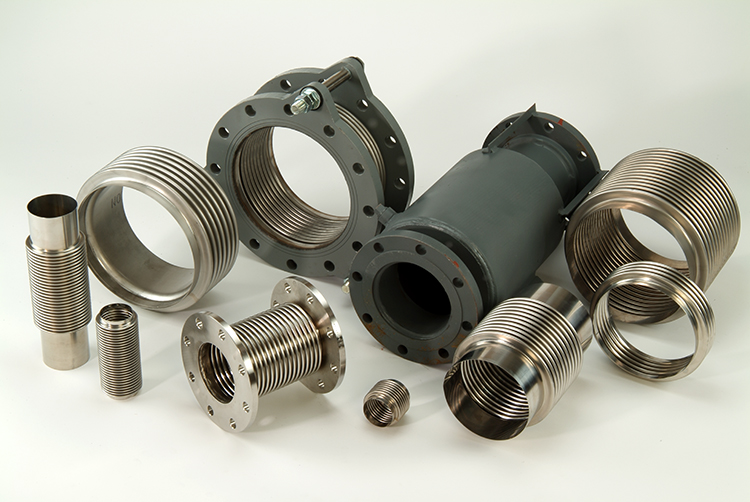
Metal bellows expansion joints operate as flexible piping connectors, enabling movement caused by thermal expansion or mechanical loads and vibrations in various systems. The manufacturing process requires one or more convoluted metal bellows that function as compressors, extenders, and flexors in multiple movement directions.
Metal bellows expansion joints serve two primary purposes: they provide protective shielding between adjacent equipment and structural elements. The use of metal bellows expansion joints extends to power generation, chemical processing, oil and gas, HVAC, and construction applications, which include metal roof expansion joints.
Step-by-Step Installation of Metal Bellows Expansion Joints
A correctly executed installation creates the base which enables proper functioning. An appropriate process of installation for metal bellows expansion joints consists of the following steps:
Pre-Installation Inspection
A thorough visual check of the bellows joint needs to be done before installation to verify its entire condition. Examining must include a search for foreign objects, as well as any shipping damage present. Check that custom expansion joints possess all required system attributes, such as their dimensions alongside movement features and material selection and allowable pressure values.
Alignment and Fit
A correct alignment of the pipeline or ductwork is needed. Metal bellows do not function to resolve installation alignment problems because wrong alignment leads to early failure. Bending forces should be avoided when dealing with the joint.
- Remove Shipping Restraints
Manufacturers typically include temporary restraint devices on most metal bellows expansion joints to protect them from damage during shipping. The removal process should start after the system support installation is complete to protect the bellows from accidental damage during sudden movements.
- Secure Anchors and Guides
All systems which use metal bellows need to include sufficient anchoring methods along with the necessary guidance elements. The applied pressure thrust force gets distributed through anchors, after which guides control the moving elements. Such supporting elements are required to prevent overload conditions beyond the design specifications for the expansion joint.
- Bolt Tightening Sequence
When your joint has flanges, you should apply bolt tightening by following either a star pattern or cross pattern order to achieve a uniform distribution of force. Equal pressure distribution across the bellows becomes possible through this method, which prevents two potential failure events: material deformation and material leakage.
- System Support
All hangers, along with support structures, need to function correctly to hold the system weight while keeping it aligned properly. Metal roof expansion joint require special care, as settlement or sagging can lead to leaks or cracking in the system.
Conclusion
The solution is to contact established manufacturers and suppliers who provide durable metal bellows expansion joints together with specialized custom-made components for both complex systems and metal roof applications. Your systems need precision design combined with robust materials along with professional installation support to achieve lasting success.