
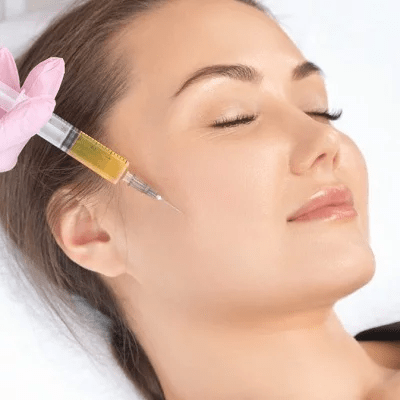
In an industry constantly bombarded with new products, techniques, and so-called miracle cures, skin cycling has quietly but powerfully carved a space for itself. At first glance, it might seem like just another fleeting trend—an Instagram-fueled beauty buzzword. However, as more dermatologists and skincare enthusiasts swear by its simplicity and results, it’s clear skin cycling might actually represent the reset our overloaded skincare routines desperately needed. Much like how strategic treatments such as face PRP treatment revolutionized skin rejuvenation, skin cycling offers a structured, thoughtful way to treat and heal the skin without overwhelming it.
Understanding the Concept of Skin Cycling
Skin cycling is essentially a structured approach to applying active skincare ingredients across a four-day cycle, allowing the skin time to rest and repair. Instead of using powerful exfoliants, retinoids, and hydrating products every day without pause (which can lead to irritation, dryness, and sensitivity), skin cycling builds in “rest days” intentionally. Typically, the cycle looks like this:
- Night 1: Exfoliation using chemical exfoliants like AHAs or BHAs
- Night 2: Application of retinoids
- Night 3 and 4: Recovery with focus on hydration and skin barrier support
This predictable rhythm reduces the risk of overuse and sensitization while still ensuring that potent actives have their chance to work effectively. It reflects a shift away from the “more is more” philosophy that has dominated beauty for years, replacing it with a mindful, less-is-better strategy that promotes long-term skin health.
Why Skin Cycling Resonates Right Now
The timing of skin cycling’s rise is no coincidence. Post-pandemic, many people have reported more sensitivity, irritation, and barrier damage from the overzealous use of DIY skincare treatments. Consumers have also become more educated and skeptical about the endless launch of products promising miraculous results overnight.
Skin cycling answers these concerns by offering a simple, effective, and dermatologist-approved framework. It’s easy to follow, doesn’t require expensive new products, and emphasizes patience and consistency over immediate gratification. In a world obsessed with instant results, skin cycling is a refreshing call to slow down and listen to our skin’s real needs.
Moreover, influencers and beauty professionals sharing their skin cycling journeys have showcased realistic transformations rather than airbrushed perfection. This honesty has built deeper trust among skincare enthusiasts, helping skin cycling to gain credibility where many trends quickly burn out.
Science-Backed Benefits of Skin Cycling
One of the reasons skin cycling has earned serious respect is because it’s built on solid dermatological science. Over-exfoliation and the daily use of actives like retinol can cause microscopic tears in the skin, chronic inflammation, and even accelerated aging—ironically, the exact opposite of what most users hope to achieve.
By spacing out the use of strong ingredients and giving the skin time to repair, skin cycling supports the natural skin barrier. This balance leads to:
- Reduced irritation and redness
- Improved hydration levels
- Increased tolerance to active ingredients over time
- Fewer flare-ups of conditions like rosacea and eczema
- Smoother, brighter, and more resilient skin
In clinical dermatology, similar concepts have long been used for patients with sensitive or compromised skin, reinforcing that cycling isn’t just a marketing gimmick—it’s a method rooted in evidence-based care.
How to Start Skin Cycling the Right Way
Starting skin cycling doesn’t require an overhaul of your skincare shelf. In fact, simplicity is key. Choose a gentle chemical exfoliant for the first night (like a lactic acid serum), a dermatologist-recommended retinoid for the second night, and nourishing, hydrating products like ceramide creams or hyaluronic acid serums for recovery nights.
It’s important not to be tempted to rush the process or stack too many active ingredients together. Skin cycling thrives on minimalism and patience. Some beginners might even extend recovery nights if their skin feels particularly sensitive. Listening to your skin, rather than blindly sticking to a rigid schedule, is the real spirit of the method.
If you’re someone who already uses treatments like chemical peels, microneedling, or face PRP treatment, adjusting your cycle accordingly and consulting with your dermatologist ensures you don’t overburden your skin.
Is Skin Cycling Here to Stay?
Skeptics might argue that skin cycling is just a rebranding of common sense. After all, dermatologists have always advised against overwhelming the skin with too many harsh products. However, the beauty of skin cycling lies in its accessibility and its clear, easy-to-follow structure, which demystifies good skincare practices for everyday users.
Unlike fads that require pricey new devices or complex ten-step rituals, skin cycling is adaptable to every budget and lifestyle. It’s not about selling new products; it’s about using what you already have—better. This focus on education and skin health over consumerism suggests that skin cycling isn’t just a passing trend. It might very well become the new standard for how we approach our skincare routines.
As more people experience the tangible benefits—calmer, stronger, glowier skin—it’s easy to see skin cycling gaining a permanent place in the skincare conversation. And considering the constant innovation in dermatology and cosmetic treatments, having a grounded, barrier-first approach like skin cycling will be more crucial than ever.




