
Step into any luxury hotel lobby today, and you’ll notice a shift. The grand chandeliers and marble floors are still there, but they’re sharing space with warm textures, sustainable materials, and tech that feels almost invisible. By 2025, these elements won’t just coexist-they’ll define what it means to stay somewhere truly luxurious.
Biophilic Design: Nature Indoors, Elevated
Luxury hotels are moving beyond just adding a few plants here and there. The next wave is about creating immersive environments that reconnect guests with nature in a sophisticated way. Think living walls covered in lush greenery, indoor gardens that double as relaxation zones, and large windows framing panoramic views of natural landscapes. These elements not only enhance the visual appeal but also create a sensory experience that can invigorate the spirit and soothe the mind. The integration of nature into hotel design is becoming a hallmark of modern luxury, inviting guests to unwind in spaces that feel both refreshing and restorative.
Biophilic design isn’t just about aesthetics; it’s about wellness. Studies show that being close to nature reduces stress and enhances mood. Hotels are tapping into this by incorporating natural light, organic shapes, and materials like wood, stone, and even water features to create calming atmospheres. Expect to see more guestrooms with private terraces or balconies that blur the line between indoors and outdoors. These spaces often feature comfortable seating arrangements, allowing guests to enjoy morning coffee while listening to the gentle rustle of leaves or the soothing sound of a nearby water feature, further enhancing their connection to the natural world.
Materials That Tell a Story
Reclaimed wood, natural fibers, and stone sourced from local quarries are becoming staples. These materials bring authenticity and a sense of place to hotel interiors. Guests appreciate knowing that their surroundings are thoughtfully crafted and environmentally responsible. Luxury no longer means excess; it means meaningful choices that honor the planet and local culture. Each piece of furniture or decor often has a story, reflecting the heritage of the region and the artisans who created them. This narrative not only enriches the guest experience but also fosters a deeper appreciation for the environment and the importance of sustainability.
Moreover, the use of biophilic design extends beyond just the physical materials; it encompasses the entire guest experience. Hotels are increasingly offering wellness programs that complement their natural aesthetics, such as yoga classes in garden settings or guided nature walks that allow guests to explore the local flora and fauna. These initiatives encourage a holistic approach to relaxation and rejuvenation, making the connection to nature an integral part of the stay. As travelers seek more meaningful experiences, hotels that embrace biophilic design are poised to lead the way in redefining luxury hospitality. Companies like Art Decor specialize in turnkey interior contracting, helping hotels seamlessly integrate biophilic elements into their overall design and guest experience.
Technology That Disappears Into the Background
Technology in luxury hotels is evolving from flashy gadgets to seamless, almost invisible experiences. The goal? To enhance comfort and convenience without disrupting the ambiance.
Voice-activated controls are becoming standard, allowing guests to adjust lighting, temperature, and entertainment with simple commands. But the real innovation lies in smart systems that anticipate needs. Imagine a room that adjusts its climate based on your body temperature or lighting that shifts throughout the day to mimic natural sunlight.
Personalized Experiences Through AI
Artificial intelligence is quietly transforming guest services. From customized minibar selections based on previous stays to personalized wellness programs, AI helps hotels deliver tailored experiences. It’s like having a personal concierge who remembers your preferences without the need for constant interaction.
Privacy remains a priority, so data is handled with care. The technology is designed to enhance, not intrude.
Moreover, the integration of augmented reality (AR) is beginning to redefine how guests interact with their surroundings. Imagine donning a pair of AR glasses that provide immersive information about the artwork in the lobby or the history of the hotel itself. This technology not only enriches the guest experience but also creates a deeper connection to the environment, allowing visitors to engage with their surroundings in a way that feels both personal and informative.
Additionally, the use of contactless technology has surged, particularly in the wake of global health concerns. Guests can now check in and out using their smartphones, access their rooms with digital keys, and even order room service through an app, all without the need for physical contact. This shift not only prioritizes health and safety but also streamlines the guest experience, making it more efficient and enjoyable. As these advancements continue to evolve, the luxury hotel industry is poised to offer an experience that is not only high-tech but also deeply human-centric.
Artisanal Craftsmanship Meets Modern Luxury
Mass-produced decor is losing ground to handcrafted pieces that bring character and uniqueness. Luxury hotels are collaborating with local artisans to create bespoke furniture, textiles, and artwork that reflect the destination’s heritage. This shift not only supports local economies but also fosters a sense of community and pride among artisans, who pour their skills and stories into each creation. As guests interact with these pieces, they become part of a larger narrative that celebrates the culture and craftsmanship of the region.
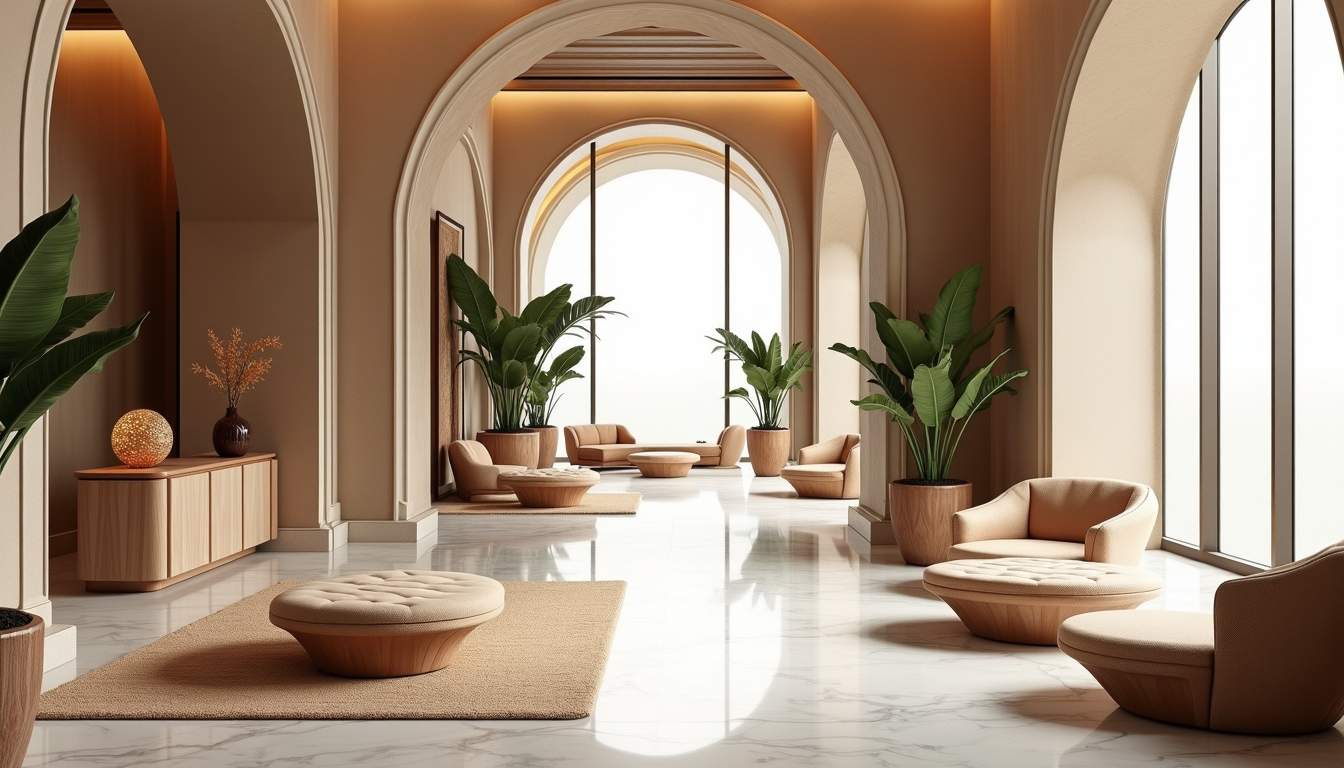
This trend adds depth to interiors, making each space feel curated rather than generic. Guests notice the difference when they sit on a handwoven chair or admire a painting created by a local artist. It’s a reminder that luxury is about connection and story, not just opulence. Furthermore, the tactile experience of these handcrafted items engages the senses in a way that mass-produced decor simply cannot, creating an immersive environment that resonates with visitors long after their stay.
Mixing Old and New
Antique furnishings paired with sleek, contemporary designs create dynamic contrasts. This blend honors tradition while embracing innovation. For example, a vintage Persian rug might anchor a minimalist lounge, or a modern chandelier could hang above a classic mahogany bar. These juxtapositions add visual interest and invite guests to explore the space more deeply. The careful selection of pieces tells a story of time and place, allowing guests to appreciate the artistry of different eras and styles.
Moreover, this eclectic approach encourages a dialogue between the past and present, as each element contributes to a cohesive yet diverse aesthetic. A mid-century modern chair might sit alongside a rustic farmhouse table, creating a conversation starter that intrigues guests. This thoughtful curation not only enhances the visual appeal of a space but also fosters an atmosphere of creativity and inspiration, where every corner invites discovery and reflection. In this way, the interplay of old and new becomes a celebration of design that transcends trends, appealing to those who seek both comfort and artistry in their surroundings.
Wellness-Centered Spaces Beyond the Spa
Wellness is no longer confined to the spa. Luxury hotels are designing entire environments that promote health and relaxation throughout the property.
Quiet zones with soundproofing, meditation rooms, and fitness areas equipped with the latest technology are becoming standard. Even guestrooms are designed with wellness in mind, featuring circadian lighting that supports natural sleep cycles and air purification systems that improve indoor air quality.
Holistic Approaches to Guest Care
Food and beverage offerings are evolving too. Hotels are emphasizing nutritious, locally sourced menus that cater to various dietary needs. Wellness bars with fresh juices, herbal teas, and adaptogenic ingredients are popping up in lobbies and lounges.
Some properties are integrating mental health services, like on-call therapists or mindfulness workshops, recognizing that true luxury includes peace of mind. In addition to these services, many hotels are also incorporating nature into their wellness initiatives. Biophilic design elements, such as indoor gardens, living walls, and natural water features, not only enhance the aesthetic appeal but also promote a sense of tranquility and connection to the environment. Guests can often find themselves immersed in green spaces, with dedicated areas for yoga or tai chi, allowing them to engage in mindful practices while surrounded by nature.
Moreover, technology is playing a pivotal role in enhancing the wellness experience. Many hotels are now offering personalized wellness apps that allow guests to track their fitness goals, book classes, and even schedule spa treatments from the comfort of their rooms. Virtual reality meditation experiences and guided relaxation sessions are also becoming popular, providing guests with innovative ways to unwind and recharge. As the concept of wellness continues to evolve, these holistic approaches are setting a new standard for luxury travel, ensuring that every aspect of a guest’s stay contributes to their overall well-being.
Sustainability as a Core Principle
Luxury and sustainability are no longer at odds. By 2025, eco-conscious design will be a baseline expectation rather than a special feature.
Hotels are investing in energy-efficient lighting, water-saving fixtures, and waste reduction programs. Solar panels and green roofs are becoming more common, helping properties reduce their carbon footprint without compromising style.
Transparency and Guest Engagement
Guests want to know how their stay impacts the environment. Many hotels are sharing sustainability reports and encouraging participation in green initiatives, such as towel reuse programs or local conservation projects. This transparency builds trust and loyalty.
The Rise of Multi-Functional Spaces
Luxury travelers seek flexibility. Hotels are responding by designing spaces that serve multiple purposes, adapting to different needs throughout the day.
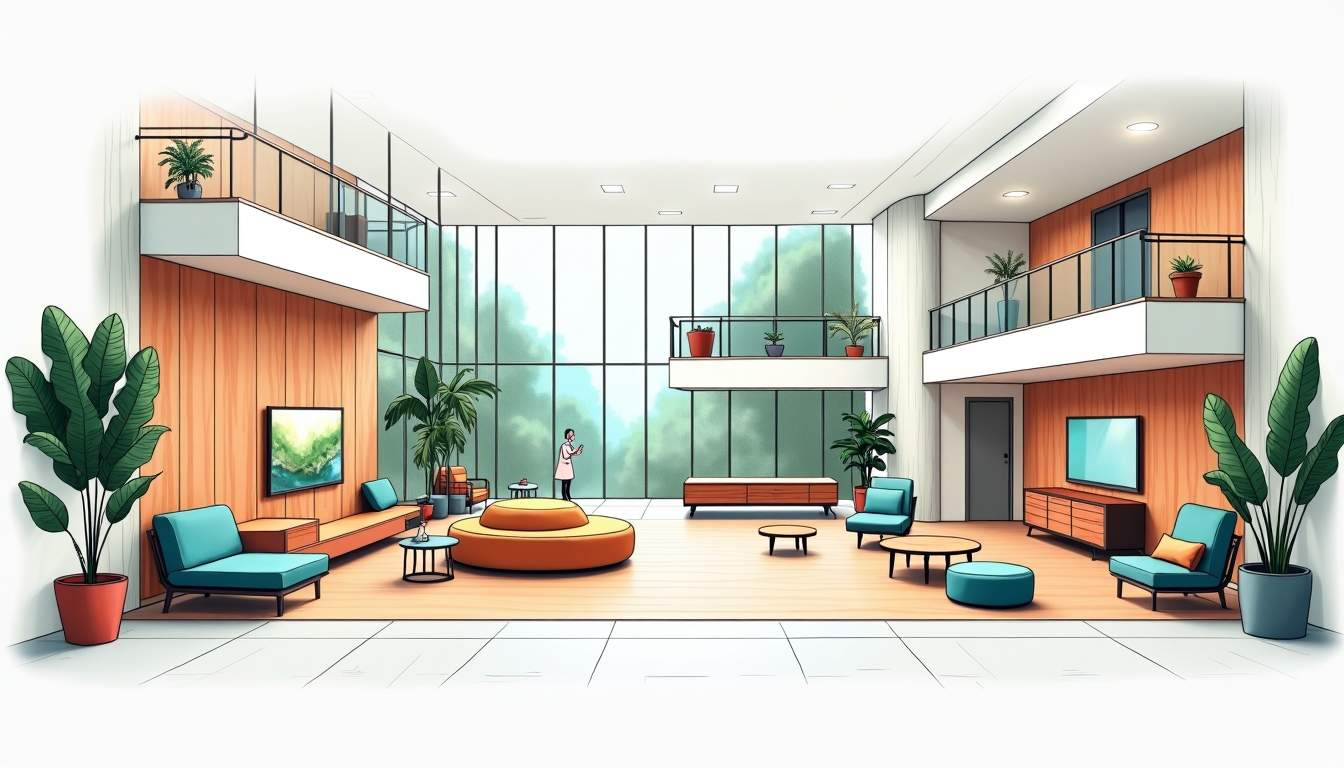
A lobby might transform from a casual coffee spot in the morning to a lively bar at night. Meeting rooms double as art galleries or yoga studios. Even guestrooms can be configured for work, rest, or socializing with modular furniture and smart layouts.
Encouraging Social Connection
While privacy remains important, there’s a growing emphasis on communal experiences. Shared lounges, rooftop terraces, and curated events foster interaction among guests, creating a sense of community within the hotel.
Conclusion
Luxury hotels in 2025 will be defined by interiors that blend nature, technology, craftsmanship, and wellness with a deep commitment to sustainability. The spaces will feel less like showrooms and more like thoughtfully designed homes away from home.
Guests won’t just be impressed by the grandeur-they’ll feel genuinely cared for. That’s the future of luxury hospitality: personal, purposeful, and profoundly human.




