
Today’s designs are about crafting environments that energize employees and streamline work.
Breaking the Mold: Beyond Traditional Cubicles
For decades, the cubicle reigned supreme. It promised privacy and a personal workspace but often ended up feeling like a box that stifled creativity. Employees trapped in these partitions frequently reported feeling isolated or disengaged. The shift away from this model isn’t just aesthetic-it’s strategic.
Modern offices embrace openness, but not in a way that sacrifices focus. Instead, they use a mix of open spaces and quiet zones. This balance allows for spontaneous conversations and teamwork without drowning out individual concentration. Think of it as giving people the freedom to choose the environment that fits their task.
Open-Plan Spaces with Purpose
Open-plan offices get a bad rap for noise and distractions, but when designed thoughtfully, they can boost collaboration. The key is zoning. Areas are designated for different activities-team huddles, brainstorming sessions, casual chats, or focused work. Furniture arrangements, sound-absorbing materials, and natural light all play a role in making these spaces comfortable and functional.
For example, placing communal tables near windows encourages informal meetings while letting natural light energize the space. Meanwhile, soundproof pods or quiet rooms provide refuge when deep focus is needed. This combination respects diverse working styles and helps maintain productivity. Additionally, incorporating greenery into these designs has been shown to enhance mood and creativity, making the workspace not just a place to work but a sanctuary for inspiration.
Hybrid Layouts: The Best of Both Worlds
Hybrid layouts blend open areas with private offices or enclosed meeting rooms. This design acknowledges that different tasks demand different settings. Employees can collaborate openly or retreat to a quiet nook without leaving the office.
Companies adopting this approach often report higher employee satisfaction. People feel trusted to manage their work environment, which can lead to better engagement and output. Plus, it helps accommodate a variety of roles—from creative teams needing interaction to analysts requiring solitude. The flexibility of hybrid layouts also supports the growing trend of remote work, allowing teams to seamlessly integrate in-person and virtual collaboration. By providing options, businesses can cater to the diverse needs of their workforce, ultimately fostering a culture of inclusivity and innovation. To learn more about effective workspace designs, visit the dRAW Architecture website through the following link for expert insights and solutions: https://www.draw-architecture.co.uk/
Activity-Based Working: Matching Space to Task
Activity-Based Working (ABW) is a concept that assigns specific spaces to specific activities rather than fixed desks. It’s about flexibility and choice, empowering employees to pick the right environment for their current task.
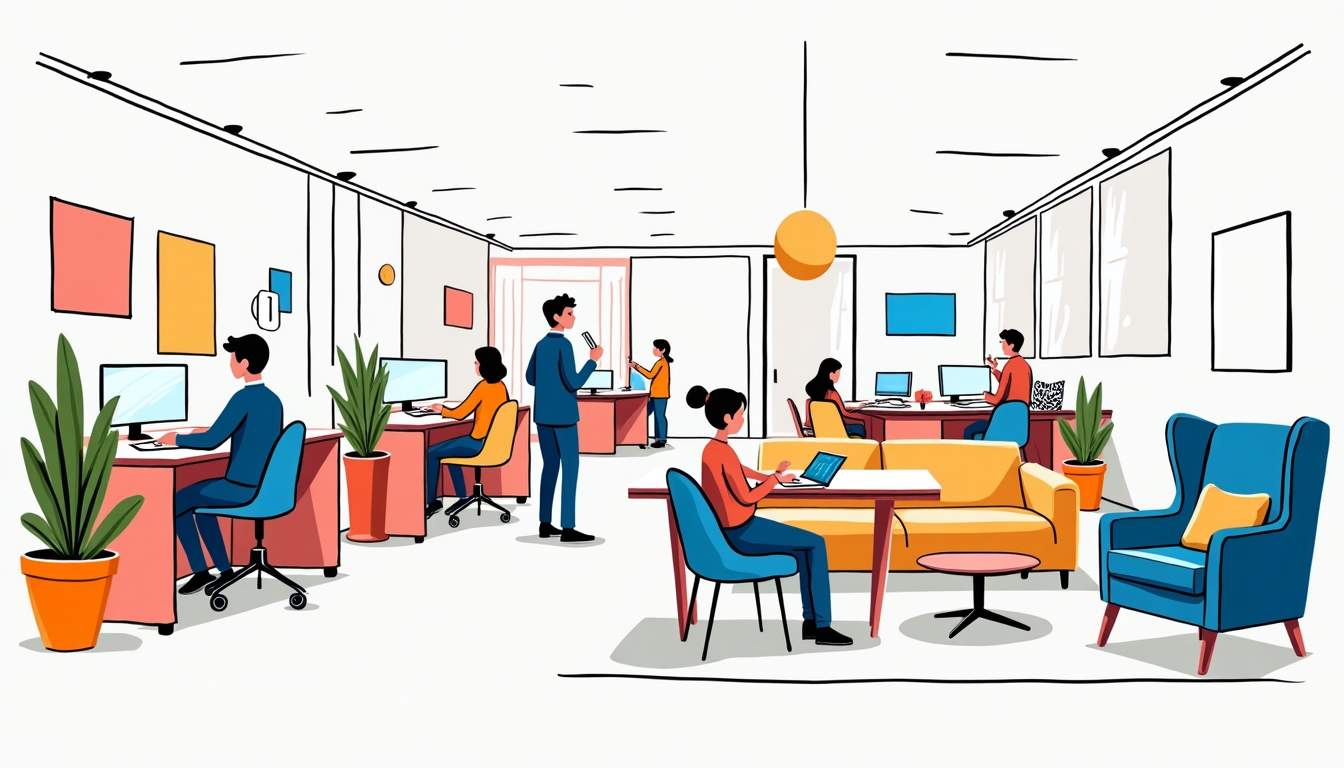
Imagine an office with zones for focused work, collaborative projects, socializing, and even relaxation. Employees move between these spaces throughout the day, depending on what they need. This dynamic approach can reduce burnout and keep energy levels high.
Zones for Every Need
Focused zones are quiet, with minimal distractions and ergonomic seating. Collaboration zones feature whiteboards, large tables, and tech tools to facilitate teamwork. Social zones might include comfortable lounges and coffee bars, encouraging informal connections that often spark innovation.
Some offices even incorporate wellness areas—spaces with plants, natural light, and calming colors to help employees recharge. The idea is to treat the office as a living organism that adapts to the rhythms of work. These wellness areas can also include features like meditation pods or soundproof booths for short breaks, allowing employees to step away from their tasks without leaving the office entirely. Such environments not only enhance productivity but also promote mental well-being, creating a more balanced workplace culture.
Technology Integration
ABW thrives when supported by technology. Wireless connectivity, mobile devices, and easy access to shared resources make it simple for employees to work anywhere. Booking systems for meeting rooms and desks prevent conflicts and streamline space usage.
Smart office tools can also provide data on space utilization, helping managers optimize layouts over time. This continuous feedback loop ensures the environment evolves with the team’s needs. Additionally, integrating advanced technologies like augmented reality (AR) can further enhance collaboration by allowing teams to visualize projects in real-time, regardless of their physical location. Such innovations not only facilitate seamless communication but also inspire creativity, as employees can experiment with ideas in a more immersive and interactive manner, making the office a hub of innovation and engagement.
Biophilic Design: Bringing Nature Indoors
Humans have an innate connection to nature, and offices that tap into this can see remarkable benefits. Biophilic design incorporates natural elements—plants, water features, natural light, and organic materials—into the workspace. This design philosophy not only enhances the aesthetic appeal of an office but also fosters a healthier and more productive environment for employees.
Studies show that exposure to nature reduces stress, improves mood, and enhances cognitive function. In an office, this translates to better focus, creativity, and overall well-being. Furthermore, the integration of biophilic elements can lead to lower absenteeism and higher job satisfaction, as employees feel more connected to their surroundings and inspired by their workspace.
Plants and Green Walls
Adding plants is a simple yet effective way to improve air quality and aesthetics. Green walls—vertical gardens integrated into walls—create striking focal points and improve acoustics. They also signal a company’s commitment to sustainability, which can boost employee pride. In addition to their visual appeal, these living walls can serve as natural air filters, removing toxins and releasing oxygen, thus contributing to a healthier indoor environment.
Even small touches like desk plants or window boxes can make a difference. The key is variety and placement to create a natural, calming atmosphere without clutter. Research suggests that incorporating a diverse range of plant species can enhance the psychological benefits, as employees are more likely to feel rejuvenated and motivated when surrounded by a rich tapestry of greenery. Moreover, engaging employees in the care and selection of these plants can foster a sense of ownership and community within the workplace.
Natural Light and Views
Maximizing natural light is crucial. Offices with large windows or skylights help regulate circadian rhythms, improving sleep and alertness. Views of nature, even if just trees or a garden, provide mental breaks that refresh the mind. Studies have shown that employees who work in environments with ample natural light report higher levels of satisfaction and productivity compared to those in artificially lit spaces.
When natural light isn’t an option, full-spectrum lighting that mimics daylight can be a good substitute. Pairing this with nature-inspired colors and materials—wood, stone, water—completes the biophilic experience. Additionally, incorporating reflective surfaces can help distribute light more evenly throughout the space, creating a brighter and more inviting atmosphere. By designing workspaces that prioritize these elements, companies can create a harmonious balance between productivity and well-being, ultimately leading to a more engaged workforce.
Flexible Furniture: Adaptability at Its Best
Furniture plays a huge role in how an office functions. Static desks and rigid chairs limit how people work and interact. Flexible furniture, on the other hand, supports a variety of postures, activities, and group sizes.
Modular and Mobile Pieces
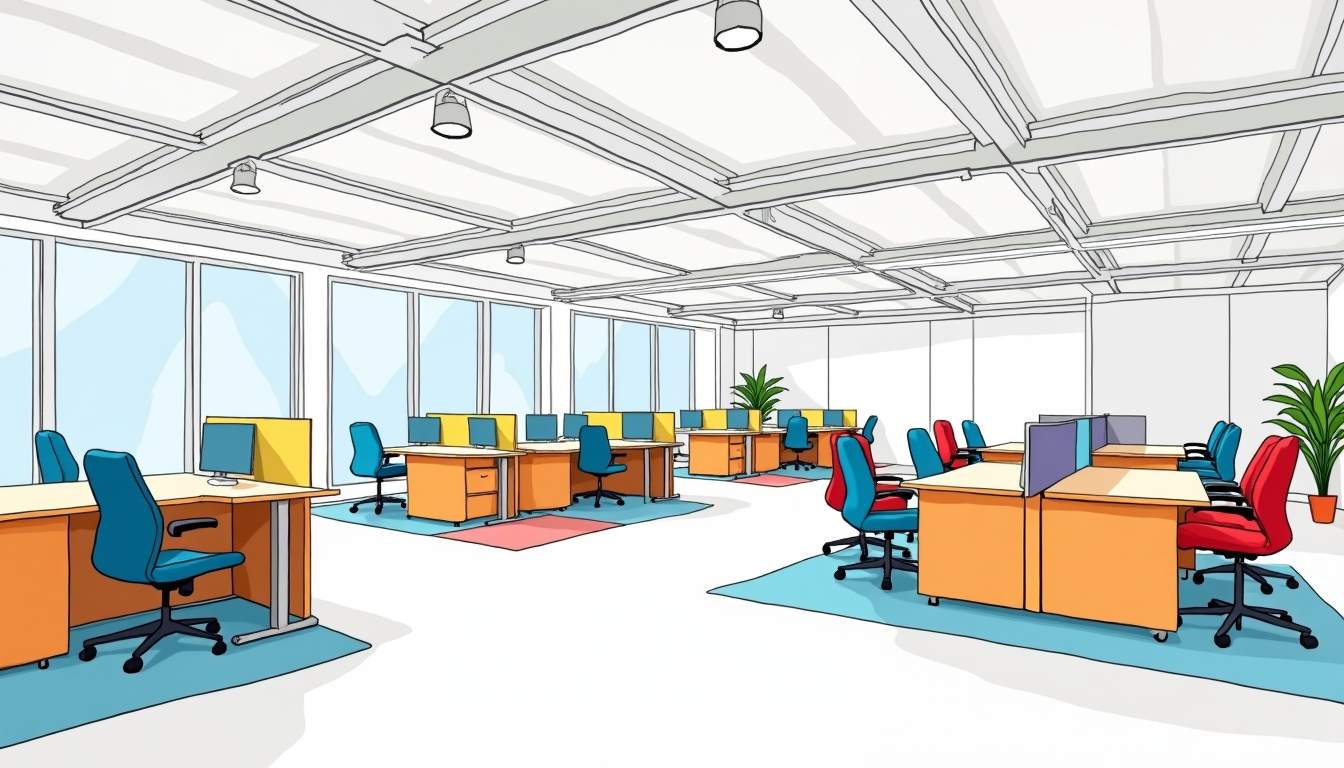
Modular furniture can be rearranged quickly to suit different needs—from solo work to group meetings. Mobile desks and chairs make it easy to create impromptu collaboration spaces or quiet corners. This adaptability keeps the office feeling fresh and responsive.
Adjustable-height desks allow employees to switch between sitting and standing, promoting better health and focus. Multi-purpose furniture—like benches with storage or tables that double as whiteboards—maximizes space efficiency. These innovative designs not only cater to the physical comfort of employees but also encourage a dynamic work culture where creativity can flourish. The ability to easily reconfigure spaces can lead to spontaneous brainstorming sessions or collaborative projects, fostering a sense of community and teamwork.
Creating Zones with Furniture
Furniture can define zones without walls. Sofas and lounge chairs create inviting social areas, while partitions and shelving units provide subtle separation. Using different colors and textures helps signal the purpose of each zone. For instance, a vibrant, cozy nook with plush seating can invite casual conversations, while a more structured area with sleek desks can promote focused work. This thoughtful zoning not only enhances productivity but also helps employees transition between different modes of work seamlessly.
Thoughtful furniture choices also consider accessibility and inclusivity, ensuring everyone can work comfortably and effectively. Incorporating adjustable features and a variety of seating options caters to diverse needs, making the workspace welcoming for all. Furthermore, integrating technology-friendly furniture, such as desks with built-in charging stations or collaborative tables equipped with screens, can significantly enhance the functionality of the office, allowing for a more interconnected and efficient work environment. This holistic approach to furniture design not only reflects the evolving nature of work but also prioritizes the well-being and satisfaction of employees, ultimately leading to a more engaged workforce.
Designing for Well-Being and Productivity
Ultimately, innovative office layouts are about people. The goal is to create environments that support well-being and make work easier and more enjoyable.
Simple design choices can have a big impact: comfortable seating, good lighting, quiet spaces, and areas for movement and social interaction. When employees feel cared for, their motivation and productivity naturally rise.
Incorporating Employee Feedback
One of the most effective ways to design a productive office is to involve the people who use it. Gathering input on what works and what doesn’t can guide smarter decisions. This participatory approach fosters ownership and alignment with company culture.
Continuous Evolution
Workstyles and technologies change fast. Offices that remain static risk becoming obsolete and uninspiring. Regularly reassessing the layout and making adjustments keeps the space aligned with current needs.
Innovation in office design isn’t a one-time project-it’s an ongoing process that adapts alongside the workforce.
Conclusion
Innovative office layouts do more than look good-they actively enhance productivity and well-being. By breaking free from outdated models, embracing flexibility, integrating nature, and focusing on people’s needs, companies can create work environments that inspire and empower.
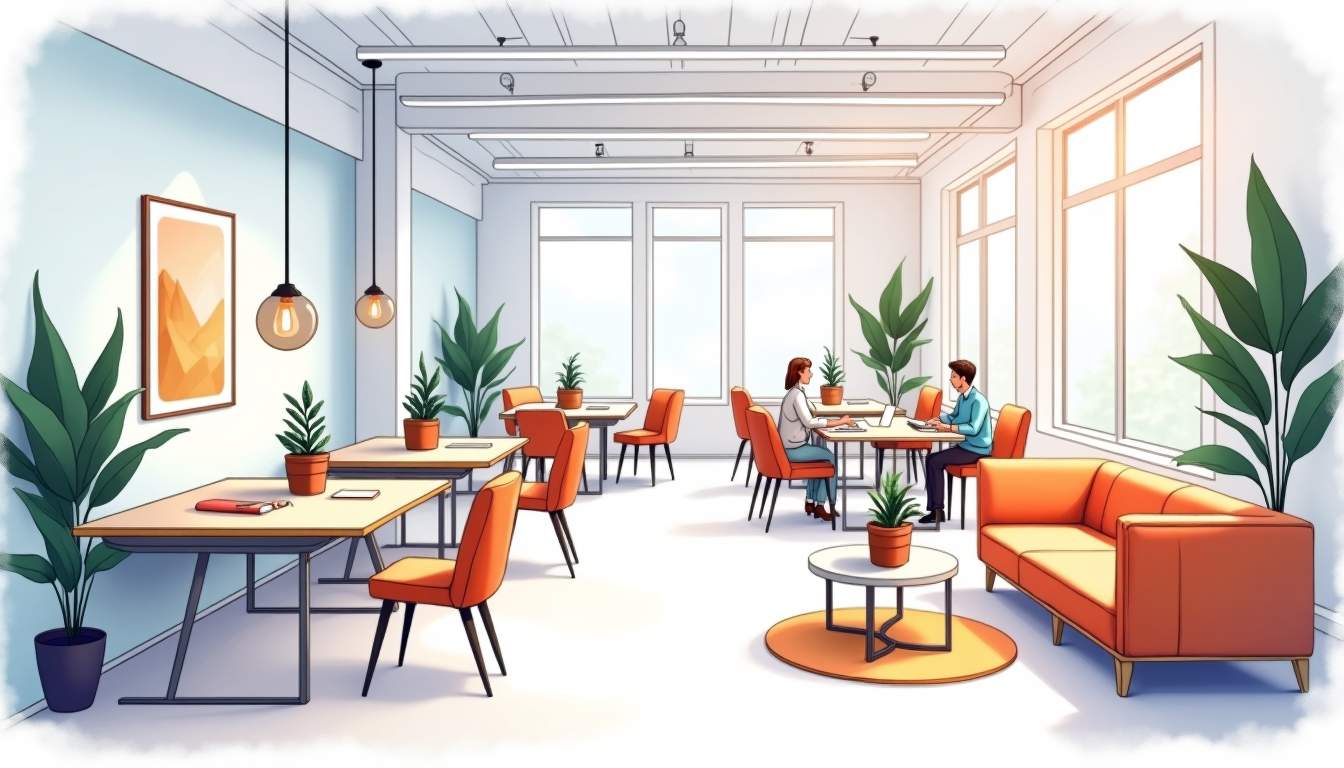
Designing an office isn’t just about aesthetics or efficiency-it’s about crafting a space where people want to be, and where their best work naturally happens.