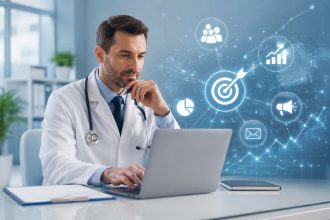
In today’s fast-paced world, maintaining good health has become more important than ever. With the rise of chronic diseases and the increasing awareness of preventive care, people are seeking smarter ways to monitor their well-being. Fortunately, advances in technology have paved the way for innovative health monitoring solutions that seamlessly integrate into everyday life. These tools empower individuals to take charge of their health, offering real-time insights and personalized feedback without disrupting daily routines.
This article explores the latest trends in health monitoring, the technologies driving these innovations, and how they are transforming the way people manage their health on a daily basis.
Wearable Technology: The Frontline of Personal Health
From Simple Step Counters to Advanced Health Trackers
Wearable devices have evolved significantly over the past decade. What started as basic pedometers have now become sophisticated health trackers capable of monitoring heart rate, sleep quality, blood oxygen levels, and even stress indicators. Brands like Fitbit, Apple Watch, and Garmin have popularized these devices, making health monitoring accessible to millions worldwide.
These wearables continuously collect data, allowing users to observe trends and detect anomalies early. For example, irregular heart rhythms detected by smartwatches can prompt users to seek medical advice before a serious event occurs. This proactive approach to health is a game-changer, shifting the focus from reactive treatment to preventive care. Additionally, many devices now feature advanced algorithms that analyze user data, providing insights into overall wellness and suggesting lifestyle changes that can enhance health outcomes. This level of personalization is unprecedented, empowering individuals to take charge of their health in ways that were previously unimaginable.
Integration with Smartphones and Health Apps
One of the key strengths of modern wearables is their seamless integration with smartphones. Health apps aggregate data from various sensors and present it in user-friendly dashboards. These apps often include features like goal setting, reminders, and personalized coaching, which help users stay motivated and informed. The gamification of health tracking—where users earn rewards for achieving fitness milestones—has also contributed to increased engagement, making the process of maintaining health both enjoyable and rewarding.
Moreover, many apps now support sharing data with healthcare providers, enabling more informed consultations. This connectivity fosters a collaborative approach to health management, where patients and doctors work together using real-time data. As telemedicine continues to rise, the ability to share health metrics instantly can lead to quicker diagnoses and more tailored treatment plans. Furthermore, the integration of artificial intelligence in these applications is paving the way for predictive analytics, where potential health issues can be forecasted based on user data trends, allowing for even earlier interventions and personalized health strategies. To explore innovative solutions in this space, visit Aspedan through the following link: https://aspedan.com/
Smart Home Devices: Creating a Healthier Living Environment
Environmental Monitoring for Better Well-being
Health monitoring is no longer limited to the body alone; the environment plays a crucial role in overall well-being. Smart home devices that monitor air quality, humidity, and temperature are becoming increasingly popular. Devices such as smart air purifiers and environmental sensors help maintain optimal indoor conditions, reducing allergens and pollutants that can trigger respiratory issues.
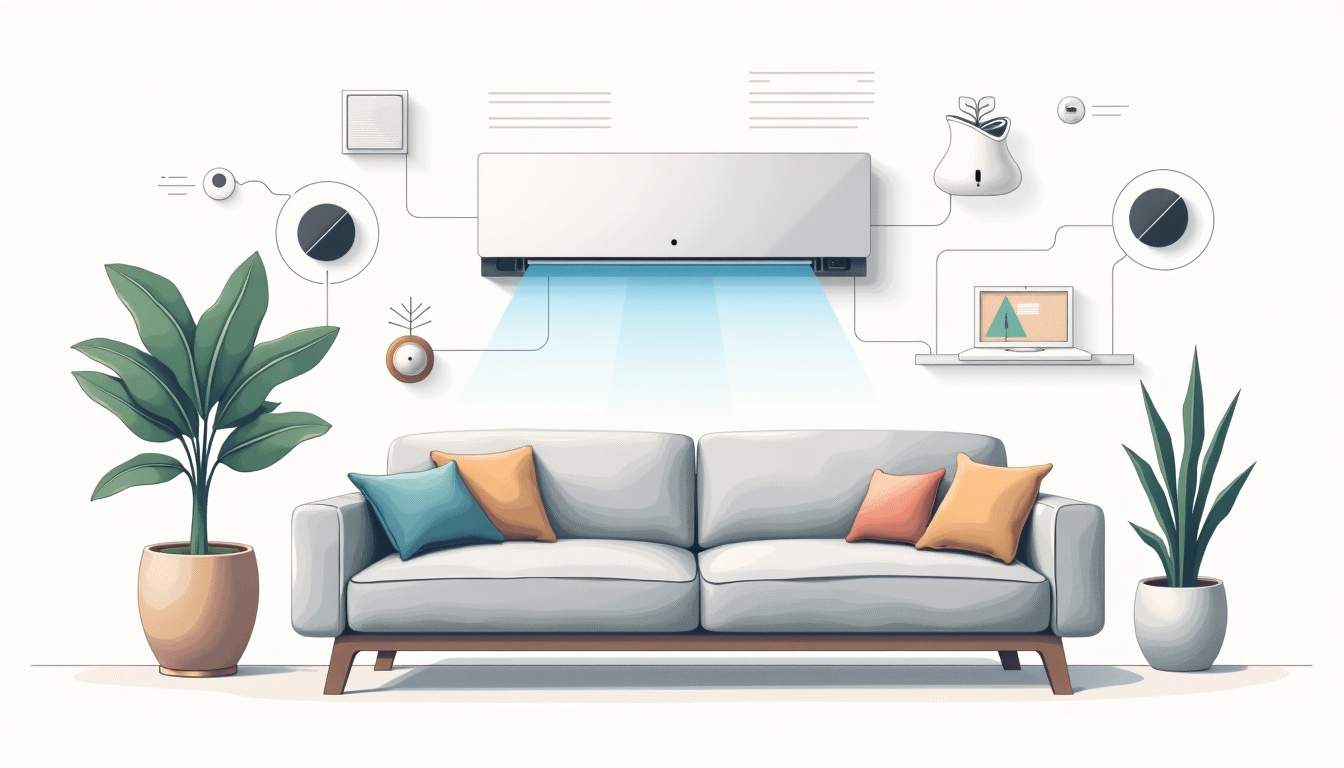
By providing real-time alerts about poor air quality or unusual temperature fluctuations, these devices allow residents to take immediate action. This is especially beneficial for individuals with asthma, allergies, or other respiratory conditions. Furthermore, many of these devices can connect to a central smart home hub, enabling users to automate responses to environmental changes. For example, if a sensor detects high levels of carbon dioxide, the air purifier can automatically activate, ensuring that the air remains clean and breathable. This level of integration not only enhances convenience but also promotes a proactive approach to health management.
Sleep Monitoring and Optimization
Quality sleep is fundamental to good health, and smart home technology is making it easier to track and improve sleep patterns. Devices like smart mattresses, sleep trackers, and ambient lighting systems work together to create an ideal sleep environment. They monitor movements, breathing patterns, and even room conditions to provide insights and suggestions for better rest.
Some systems can adjust room temperature or lighting automatically based on detected sleep stages, helping users fall asleep faster and enjoy deeper, more restorative sleep. Over time, this can lead to improved mood, cognitive function, and physical health. Additionally, many smart sleep devices offer detailed analytics, allowing users to visualize their sleep trends over time. This data can be invaluable for identifying habits that may disrupt sleep, such as late-night screen time or irregular sleep schedules. By understanding these patterns, individuals can make informed lifestyle changes that promote better sleep hygiene and overall wellness.
AI and Machine Learning: Personalizing Health Insights
From Data Collection to Meaningful Analysis
Collecting health data is only the first step; interpreting it effectively is where artificial intelligence (AI) and machine learning come into play. These technologies analyze vast amounts of data to identify patterns and predict potential health issues before they become critical.
For example, AI algorithms can analyze heart rate variability, activity levels, and sleep data to assess stress levels and recommend relaxation techniques or lifestyle adjustments. This personalized feedback is far more effective than generic advice, as it takes into account an individual’s unique physiology and habits. Moreover, the integration of wearable devices, such as smartwatches and fitness trackers, enhances the data collection process by providing real-time insights into users’ daily activities and health metrics. This continuous stream of information allows for more dynamic and responsive health recommendations, adapting to changes in a user’s routine or health status.
Virtual Health Assistants and Chatbots
AI-powered virtual assistants are becoming common companions in health monitoring. These chatbots can answer health-related questions, remind users to take medications, and even guide them through exercises or mindfulness practices. By offering 24/7 support, they help users stay on track with their health goals and manage chronic conditions more effectively.
Additionally, some virtual assistants can detect changes in user behavior or symptoms and suggest seeking professional care, acting as an early warning system that bridges the gap between daily monitoring and clinical intervention. These systems utilize natural language processing to understand and respond to user inquiries in a conversational manner, making health management feel more accessible and less intimidating. Furthermore, as these technologies evolve, they are becoming capable of integrating with other health systems, allowing for a more holistic view of a patient’s health history, which can significantly enhance the quality of care provided by healthcare professionals.
Remote Monitoring and Telehealth: Expanding Access to Care
Bringing Healthcare into the Home
Remote health monitoring devices have revolutionized the way patients and healthcare providers interact. Tools such as blood pressure monitors, glucose meters, and pulse oximeters can transmit data directly to doctors, enabling continuous oversight without frequent clinic visits.
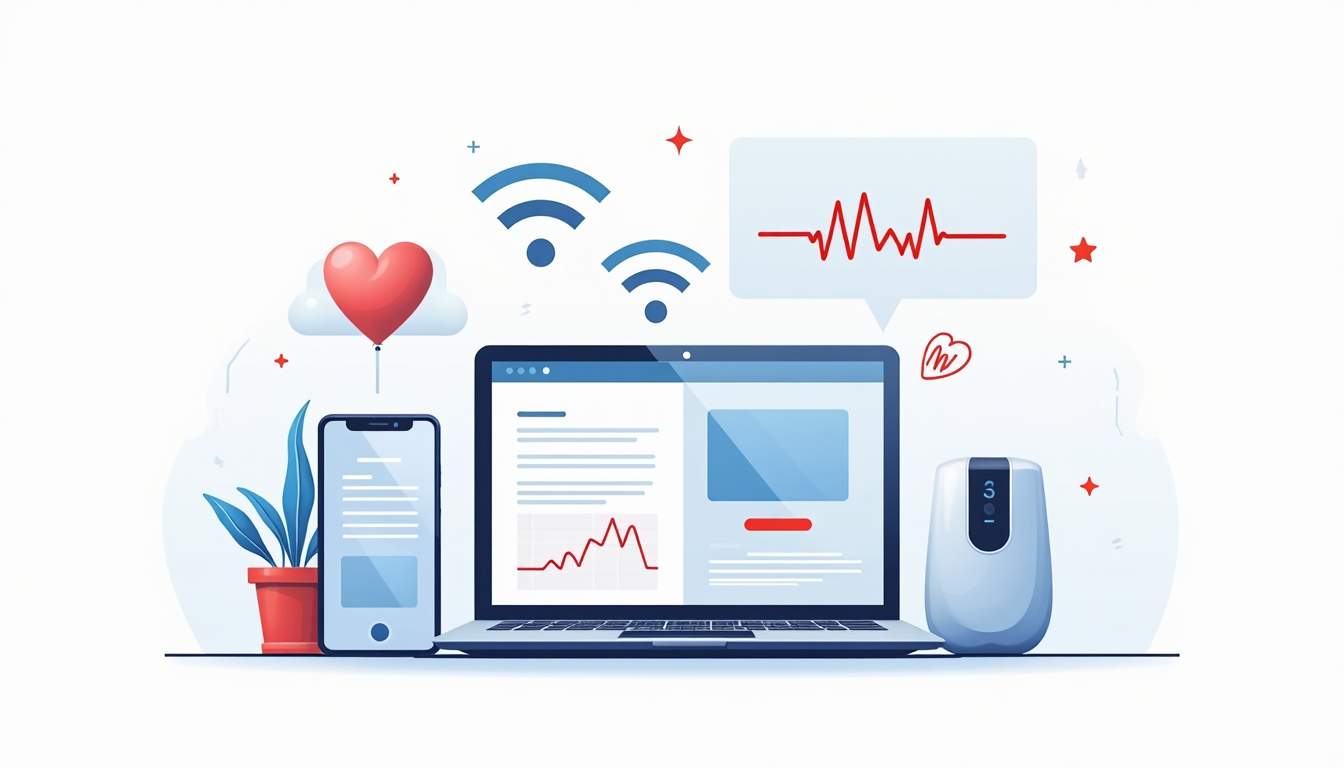
This approach is particularly valuable for managing chronic diseases like diabetes, hypertension, and heart failure. Patients can maintain their independence while receiving expert guidance, reducing hospitalizations and improving outcomes. Moreover, the integration of mobile applications with these devices allows patients to track their health metrics in real time, fostering a sense of ownership over their health journey. Many of these applications also provide educational resources and reminders for medication, further supporting patients in managing their conditions effectively.
Telehealth Platforms and Virtual Consultations
The rise of telehealth platforms complements remote monitoring by facilitating virtual consultations. Patients can discuss their health data with physicians via video calls, making healthcare more accessible, especially for those in remote or underserved areas.
Telehealth also encourages timely intervention, as doctors can quickly review monitoring data and adjust treatment plans accordingly. This dynamic interaction enhances patient engagement and adherence to prescribed therapies. Additionally, telehealth platforms often include features such as secure messaging and asynchronous communication, allowing patients to reach out to their healthcare providers with questions or concerns at their convenience. This flexibility not only alleviates the pressure of scheduling in-person visits but also empowers patients to seek help when they need it most, ultimately leading to better health outcomes and a more personalized approach to care.
Future Trends: The Next Frontier in Health Monitoring
Implantable and Biometric Sensors
Looking ahead, implantable sensors promise to take health monitoring to unprecedented levels of precision. These tiny devices can continuously measure biomarkers such as glucose, electrolytes, and hormones directly from the bloodstream or interstitial fluid. The data collected offers a more accurate and comprehensive picture of an individual’s health status.
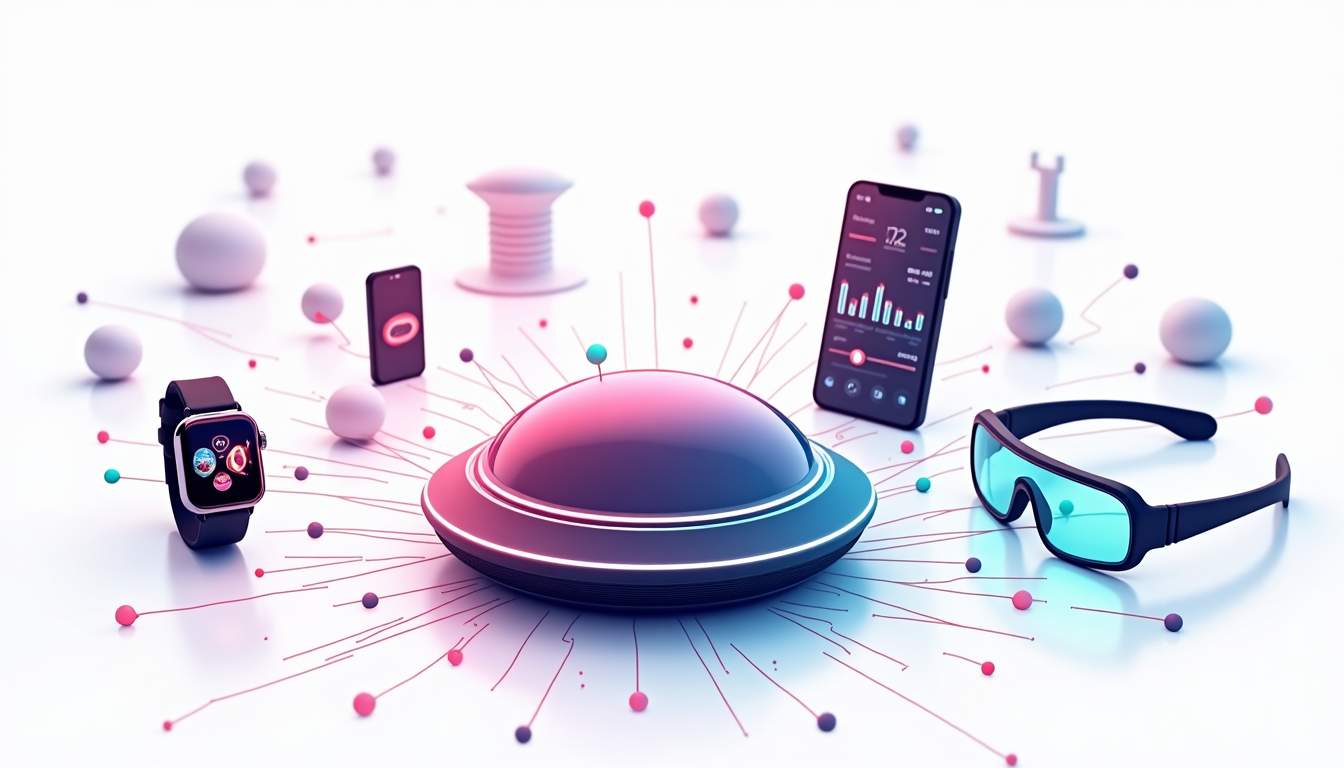
Such technology could transform the management of complex conditions by providing real-time feedback and enabling closed-loop systems that automatically adjust treatments, like insulin delivery for diabetics.
Augmented Reality and Health Visualization
Augmented reality (AR) is poised to enhance how users interact with health data. Imagine wearing AR glasses that display vital signs or medication schedules in your field of vision, or virtual coaches guiding exercise routines with real-time feedback on form and intensity.
This immersive experience could improve adherence and motivation, making health monitoring not just informative but also engaging and interactive.
Conclusion
Innovative health monitoring technologies are reshaping the landscape of personal healthcare. By integrating wearables, smart home devices, AI, and telehealth, individuals can gain unprecedented control over their health and well-being. These advancements promote early detection, personalized care, and continuous support, all within the comfort of everyday life.
As these technologies continue to evolve, they hold the promise of not only enhancing individual health outcomes but also reducing the burden on healthcare systems globally. Embracing these innovations today paves the way for a healthier, more informed tomorrow.