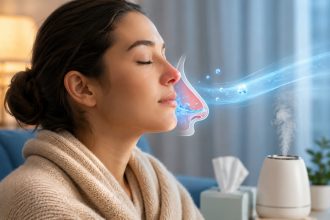
Seasonal allergies can disrupt your daily life, especially during peak pollen seasons. While medications like antihistamines are often the go-to solution for relief, many people seek ways to manage their symptoms without constantly relying on them. Fortunately, there are several strategies to alleviate allergy symptoms naturally and effectively. In this article, we’ll explore practical tips for managing seasonal allergies without reaching for medication every time.
Understanding Seasonal Allergies
Seasonal allergies, also known as hay fever or allergic rhinitis, occur when the immune system overreacts to airborne allergens like pollen, mold spores, or dust. Common symptoms include sneezing, itchy or watery eyes, nasal congestion, and coughing. These symptoms typically occur during certain times of the year, depending on the allergens present in the environment.
While medications like antihistamines, nasal sprays, and decongestants can provide temporary relief, they often come with side effects and may not be necessary for everyone. Let’s explore how you can manage seasonal allergies without relying on constant medication.
Natural Ways to Manage Seasonal Allergies
1. Minimize Exposure to Allergens
The best way to manage seasonal allergies is to reduce your exposure to the allergens causing your symptoms. Here are some simple steps to minimize allergen exposure:
- Stay indoors during peak pollen times: Pollen levels are highest in the early morning and late afternoon. Try to stay indoors during these times, especially on windy days.
- Keep windows closed: While fresh air can be tempting, it can also let pollen into your home. Use air conditioning instead to keep your environment cool and allergen-free.
- Shower after being outdoors: When you return home, wash off pollen and other allergens from your skin and hair to prevent them from spreading inside.
- Change clothes regularly: After being outside, change your clothes to avoid bringing allergens indoors.
2. Use Air Purifiers
Using air purifiers in your home can help reduce allergens in the air, particularly in your bedroom or living areas. Look for air purifiers with HEPA filters, as these can effectively trap pollen, dust, and other small particles. This simple solution can improve indoor air quality, making it easier for you to breathe without relying on medication.
3. Nasal Irrigation
Nasal irrigation, often done using a neti pot or saline rinse, can be an effective way to clear allergens from your nasal passages. This technique involves flushing out mucus, pollen, and other irritants, helping to reduce congestion and irritation. Nasal irrigation can be done daily during allergy season to keep your airways clear and reduce the severity of symptoms.
4. Keep Your Home Clean
Regular cleaning helps reduce the accumulation of allergens in your living space. Focus on areas that tend to trap dust and allergens, such as carpets, curtains, and bedding. Consider using a vacuum cleaner with a HEPA filter, and wash your sheets and pillowcases in hot water regularly to eliminate dust mites. A clean environment can help prevent allergy flare-ups.
5. Herbal Remedies and Supplements
Several natural remedies and supplements may help alleviate allergy symptoms without the use of medications. Some common options include:
- Local honey: Consuming local honey may help build immunity to local pollen over time. Try adding a teaspoon of honey to your tea or morning oatmeal.
- Butterbur: Some studies suggest that butterbur, a plant extract, can help reduce allergy symptoms. However, it’s essential to consult with a healthcare provider before using it.
- Quercetin: This flavonoid, found in foods like apples, onions, and berries, may help stabilize mast cells and reduce allergic reactions.
Be sure to discuss any supplements with your healthcare provider to ensure they’re safe and appropriate for you.
6. Practice Good Hydration
Staying hydrated is vital for managing seasonal allergies. Drinking plenty of water helps thin mucus, making it easier to clear allergens from your nasal passages. Herbal teas, particularly those with ingredients like peppermint or chamomile, can also help soothe irritated sinuses and ease allergy symptoms.
7. Strengthen Your Immune System
A healthy immune system is better equipped to handle allergens. Strengthening your immune system through proper nutrition, regular exercise, and sufficient sleep can help reduce your body’s overreaction to allergens. Eating a balanced diet rich in fruits, vegetables, and omega-3 fatty acids can support immune function and reduce inflammation.
Seeking Professional Help
If natural remedies and lifestyle changes don’t provide sufficient relief, it may be time to consult a healthcare provider. At Absolute Urgent Care, we offer allergy testing and expert advice on managing seasonal allergies. We can help identify the specific allergens triggering your symptoms and recommend an individualized treatment plan that may involve both medical and natural approaches.
Managing seasonal allergies without constant medication is possible with the right strategies. If you’re struggling with allergy symptoms, consider visiting Absolute Urgent Care for guidance and personalized care tailored to your needs.