
Air conditioning units are essential for maintaining comfort during hot weather, but like any mechanical system, they can encounter issues over time. When your aircon isn’t cooling properly or making strange noises, it can be frustrating and uncomfortable. Fortunately, many common air conditioning problems can be diagnosed and fixed without needing to call a professional immediately. This comprehensive guide will walk you through how to identify typical aircon issues and provide step-by-step solutions to get your system running smoothly again.
Understanding How Your Air Conditioner Works
Before diving into troubleshooting, it’s helpful to understand the basic components and operation of your air conditioner. Most residential aircon systems consist of two main parts: the indoor unit (evaporator) and the outdoor unit (condenser). The system works by circulating refrigerant through these units, absorbing heat from inside your home and releasing it outside.
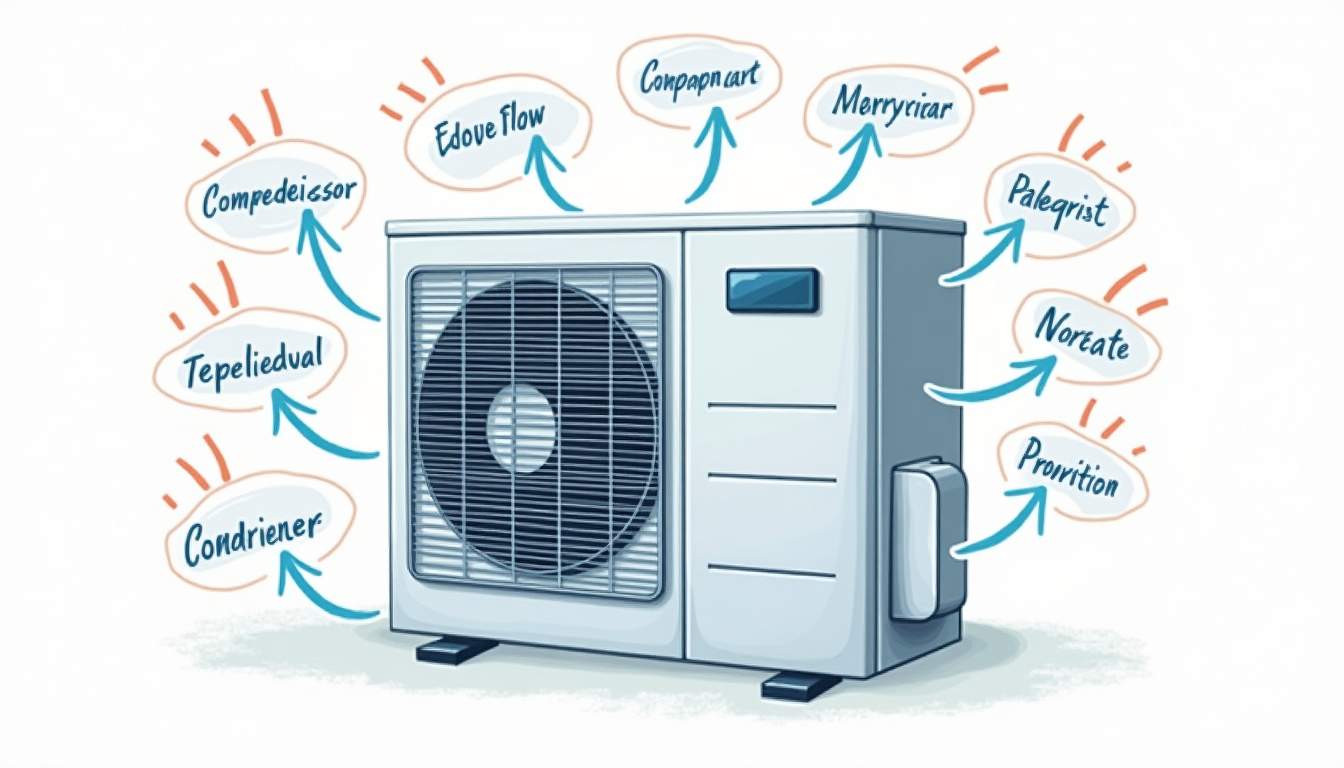
The air handler inside blows air over the evaporator coil, which cools the air before it’s distributed through your home’s ducts. Meanwhile, the compressor in the outdoor unit pumps the refrigerant and facilitates heat exchange. If any part of this cycle is disrupted, your air conditioner may not perform as expected.
In addition to the evaporator and condenser, there are several other critical components that play a role in the efficiency and effectiveness of your air conditioning system. For instance, the expansion valve regulates the flow of refrigerant into the evaporator coil, ensuring that the right amount is available for optimal cooling. If this valve becomes clogged or malfunctions, it can lead to inadequate cooling and increased energy consumption. Furthermore, the thermostat acts as the control center, allowing you to set your desired temperature and signaling the system when to turn on or off. A malfunctioning thermostat can cause your air conditioner to run continuously or not at all, leading to discomfort in your home. For reliable solutions and expert maintenance, you can visit Aircon Servicing to ensure your system runs smoothly year-round.
Understanding these components can also help you recognize the importance of regular maintenance. Routine tasks such as cleaning or replacing air filters, checking refrigerant levels, and ensuring that the outdoor unit is free from debris can significantly enhance the performance and longevity of your air conditioning system. Neglecting these simple maintenance steps can lead to more significant issues down the line, often resulting in costly repairs or even the need for a complete system replacement. By staying proactive, you can ensure that your air conditioner runs smoothly and efficiently, keeping your home comfortable during those hot summer months.
Common Aircon Problems and How to Diagnose Them
1. Air Conditioner Not Cooling Properly
One of the most frequent complaints is that the air conditioner runs but doesn’t cool the room effectively. This issue can stem from several causes, ranging from simple to more complex.
Check the Thermostat Settings: Sometimes the problem is as simple as incorrect thermostat settings. Ensure the thermostat is set to “cool” mode and that the temperature is set lower than the current room temperature.
Inspect the Air Filter: A clogged or dirty air filter restricts airflow, reducing cooling efficiency. Remove the filter and check for dust buildup. If it’s dirty, replace or clean it according to the manufacturer’s instructions.
2. Air Conditioner Not Turning On
If your aircon won’t start at all, this could be due to electrical issues or safety features preventing operation.
Check the Power Supply: Verify that the unit is plugged in and that the circuit breaker hasn’t tripped. Reset the breaker if necessary.
Inspect the Thermostat: A faulty thermostat can prevent the system from turning on. Try adjusting the thermostat or replacing its batteries if it’s battery-operated.
3. Strange Noises Coming from the Unit
Unusual sounds such as grinding, rattling, or squealing can indicate mechanical problems.
Rattling: This often means loose parts or debris inside the outdoor unit. Turn off the system and inspect the condenser unit for leaves, sticks, or other objects. Tighten any loose screws or panels.
Grinding or Squealing: These noises may come from the motor or fan bearings. If you hear these sounds, it’s best to call a professional technician to prevent further damage.
4. Water Leaking Around the Air Conditioner
Water leakage is a common issue, especially with window units or split systems.
Check the Drainage System: Air conditioners produce condensation, which should drain away through a pipe. If the drain line is clogged, water can back up and leak inside. Clear any blockages in the drain pipe.
Inspect the Installation: Improper installation can cause water to leak indoors. Ensure the unit is tilted slightly outward to allow proper drainage.
5. Air Conditioner Freezing Up
If you notice ice forming on the evaporator coil or refrigerant lines, this indicates a problem with airflow or refrigerant levels.
Dirty Air Filter: Reduced airflow due to a dirty filter can cause the coil to freeze. Replace the filter immediately.
Low Refrigerant: A refrigerant leak can cause freezing. This is a more serious issue requiring a certified technician to locate and repair the leak and recharge the system.
Step-by-Step Guide to Fixing Common Aircon Issues
Replacing or Cleaning the Air Filter
One of the easiest maintenance tasks you can perform is regularly cleaning or replacing the air filter. A clean filter ensures proper airflow and efficient cooling.
- Turn off the air conditioner and unplug it for safety.
- Locate the air filter, usually behind the front grille or inside the indoor unit.
- Remove the filter carefully.
- If it’s a reusable filter, wash it with warm water and mild detergent, then let it dry completely before reinstalling.
- If it’s disposable, replace it with a new filter of the same size and type.
- Reinstall the filter and turn the unit back on.
Clearing the Drain Line
To fix water leaks caused by a clogged drain line:
- Turn off the air conditioner.
- Locate the drain line, which is usually a PVC pipe near the outdoor unit or inside the indoor unit’s cabinet.
- Use a wet/dry vacuum to suck out any blockage from the drain line’s end.
- Alternatively, flush the drain line with a mixture of water and vinegar to dissolve buildup.
- Check that water flows freely through the drain line.
- Turn the air conditioner back on and monitor for leaks.
Resetting the Circuit Breaker
If your air conditioner won’t turn on, a tripped breaker might be the culprit.
- Locate your home’s electrical panel.
- Find the breaker switch labeled for the air conditioner or outdoor unit.
- If it’s in the “off” position or halfway, flip it fully to “off” and then back to “on.”
- Try turning on the air conditioner again.
Cleaning the Outdoor Unit
Maintaining the condenser unit outside your home can improve performance and extend its lifespan.
- Turn off power to the unit at the breaker.
- Remove debris such as leaves, grass, and dirt from around the unit.
- Use a garden hose to gently spray the condenser coils to remove dust and dirt. Avoid using high-pressure water, which can damage the fins.
- Straighten any bent fins carefully with a fin comb or similar tool.
- Ensure the unit has at least two feet of clearance on all sides for proper airflow.
- Restore power and test the air conditioner.
When to Call a Professional Technician
While many aircon problems can be fixed with basic maintenance and troubleshooting, some issues require expert attention. Attempting complex repairs without proper knowledge can cause further damage or void warranties.
Consider calling a licensed HVAC technician if you experience:
- Persistent refrigerant leaks or low refrigerant levels.
- Electrical problems beyond resetting breakers, such as frequent tripping or burning smells.
- Compressor or motor failures.
- Unusual noises that persist after cleaning and tightening parts.
- Frozen coils that return after cleaning the filter.
Professional technicians have the tools and expertise to safely diagnose and repair these issues, ensuring your air conditioner runs efficiently and reliably.
Preventive Maintenance Tips to Avoid Aircon Problems
Regular maintenance is the best way to prevent air conditioning breakdowns and extend the life of your system. Here are some practical tips:
Schedule Annual Professional Inspections
Having a technician inspect your air conditioner once a year can catch potential problems early. They will check refrigerant levels, clean coils, inspect electrical components, and perform necessary tune-ups.
Change or Clean Filters Regularly
Replace disposable filters every 1-3 months, depending on usage and air quality. Clean reusable filters monthly during peak seasons.
Keep Outdoor Unit Clear
Maintain at least two feet of clearance around the outdoor condenser unit. Trim back plants and remove debris regularly.
Use a Programmable Thermostat
Programmable thermostats help regulate temperature efficiently, reducing strain on your air conditioner and lowering energy bills.
Seal and Insulate Your Home
Proper insulation and sealing of doors and windows reduce the cooling load on your aircon, improving performance and comfort.
Conclusion
Diagnosing and fixing common aircon problems doesn’t have to be complicated. By understanding how your system works and performing regular maintenance, many issues can be resolved quickly and inexpensively. Always start with simple checks like thermostat settings, air filter condition, and power supply before moving on to more involved troubleshooting.
Remember, safety comes first—if you encounter electrical problems, refrigerant leaks, or mechanical failures, it’s best to call a professional technician. With proper care and timely repairs, your air conditioner will keep your home cool and comfortable for many years.




