
Rewiring a home or commercial building is a significant undertaking that involves more than just replacing old wires. It’s an opportunity to enhance the electrical system’s safety, efficiency, and reliability. With advances in technology, smart upgrades have become an essential part of modern rewiring projects, offering homeowners and businesses peace of mind and improved protection against electrical hazards.
In this article, we’ll explore how integrating smart upgrades during rewiring projects can dramatically boost safety. From smart circuit breakers to advanced monitoring systems, these innovations not only prevent accidents but also provide real-time insights that help maintain a safer electrical environment.
The Importance of Safety in Rewiring Projects
Electrical rewiring is often necessary in older buildings where the wiring no longer meets current safety standards or has deteriorated over time. Faulty wiring can lead to a range of hazards including electrical shocks, fires, and damage to appliances. Ensuring safety during and after the rewiring process is paramount.
Traditional rewiring focuses on replacing outdated wiring and ensuring connections meet code requirements. However, with the rise of smart technology, there’s an opportunity to go beyond compliance and actively improve safety through intelligent systems that detect and respond to electrical issues. These systems can provide real-time monitoring and alerts, allowing homeowners to take immediate action if a problem arises, thus significantly reducing the risk of accidents.
Common Risks Associated with Outdated Wiring
Old wiring systems can pose several risks. For instance, aluminum wiring, used in many homes in the 1960s and 70s, is prone to oxidation and can cause loose connections, increasing fire risk. Similarly, knob-and-tube wiring lacks grounding and is often insufficient for modern electrical loads. This type of wiring can also lead to overheating, especially when used with contemporary appliances that demand higher energy consumption.
Worn insulation, overloaded circuits, and outdated breakers can also contribute to electrical failures. These issues highlight the need for not just rewiring but upgrading the system with smart safety features that can monitor and mitigate risks in real time. Additionally, incorporating surge protectors and circuit interrupters can provide an extra layer of defense against unexpected power surges or faults, ensuring that both the wiring and the connected devices remain safe and functional. Regular inspections and maintenance of the electrical system are also crucial, as they can help identify potential problems before they escalate into serious hazards. For reliable services, you can visit Electrician Singapore to ensure your electrical system remains safe and up to date.
Smart Circuit Breakers: The First Line of Defense
One of the most impactful smart upgrades during rewiring is the installation of smart circuit breakers. Unlike traditional breakers that simply trip when a fault is detected, smart breakers offer enhanced protection and monitoring capabilities.
How Smart Circuit Breakers Improve Safety
Smart circuit breakers can detect a wider range of electrical faults, including arc faults and ground faults, which are common causes of electrical fires. They can automatically shut off power to affected circuits faster than traditional breakers, minimizing damage and risk.
Moreover, these breakers often come with connectivity features that allow homeowners or facility managers to monitor the electrical system remotely via smartphone apps. This real-time monitoring can alert users to unusual activity or potential issues before they escalate into serious problems.
In addition to their advanced detection capabilities, many smart circuit breakers are equipped with self-diagnostic features that continuously assess their own performance. This proactive approach not only enhances safety but also provides valuable data that can help in identifying trends or recurring issues within the electrical system. Such insights enable timely maintenance and can significantly extend the lifespan of the electrical infrastructure, ultimately saving homeowners from costly repairs and downtime.
Benefits Beyond Safety
While safety is the primary benefit, smart circuit breakers also contribute to energy efficiency by allowing users to track power consumption at the circuit level. This insight can lead to smarter energy use and cost savings over time.
Furthermore, the integration of smart circuit breakers into a home automation system can enhance overall convenience. For instance, users can program their breakers to optimize energy use during peak hours or to automatically turn off non-essential circuits when not in use. This level of control not only aids in reducing electricity bills but also promotes a more sustainable lifestyle, aligning with the growing trend of eco-conscious living. As smart technology continues to evolve, the potential for these devices to integrate with renewable energy sources, such as solar panels, will further amplify their benefits, making them an essential component of modern electrical systems.
Advanced Electrical Panel Upgrades
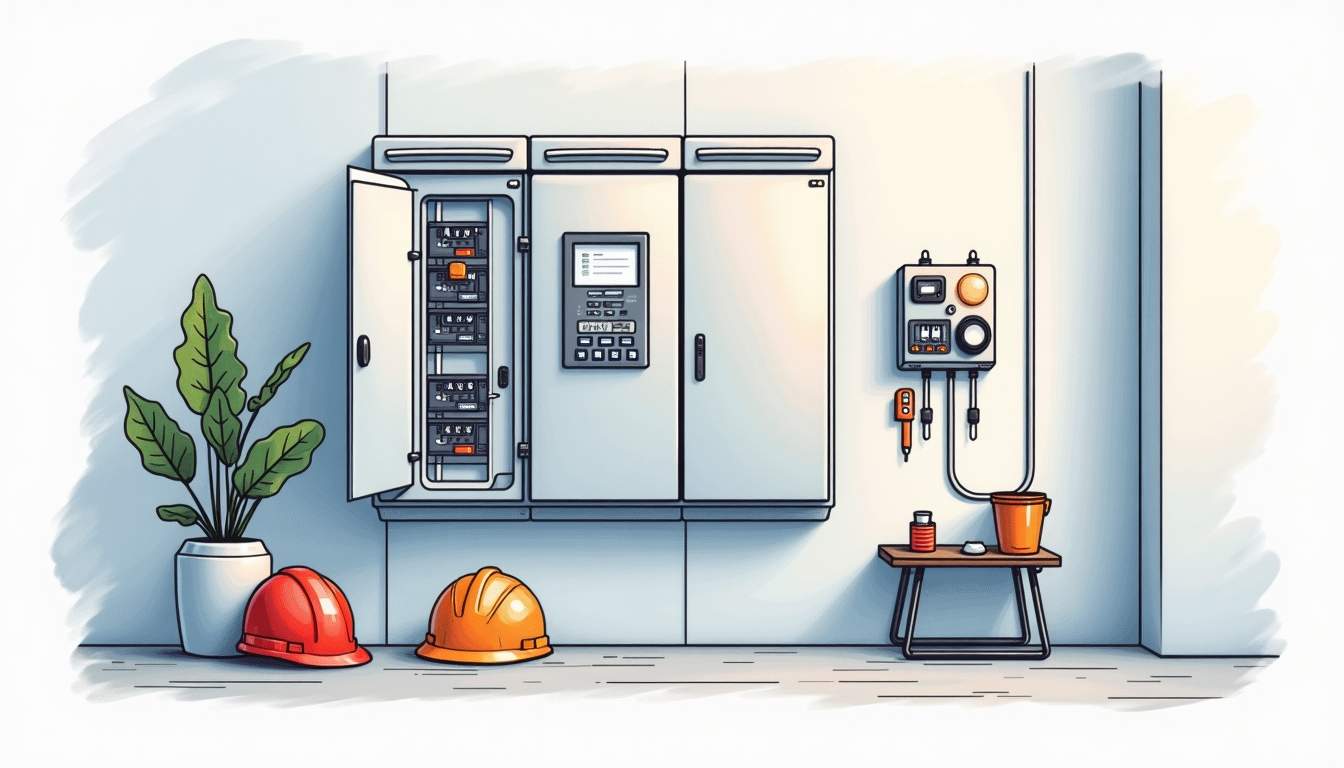
During a rewiring project, upgrading the electrical panel is a smart move that can significantly enhance safety. Modern panels are designed to accommodate smart technologies and provide safer, more reliable distribution of electricity throughout the building.
Integration with Smart Home Systems
New electrical panels can be integrated with smart home systems, enabling centralized control and monitoring. This integration allows for automated responses to electrical issues, such as shutting down circuits during an emergency or adjusting loads to prevent overloads.
Additionally, some advanced panels feature built-in surge protection and fault detection, which help prevent damage from power surges and electrical faults. These features not only protect your devices but also contribute to the longevity of the electrical system, reducing the need for frequent repairs or replacements. Homeowners can also benefit from remote monitoring through mobile apps, allowing them to keep track of energy consumption and receive alerts about any irregularities in real-time.
Future-Proofing Electrical Infrastructure
Upgrading the panel during rewiring also future-proofs the electrical system. As homes and businesses adopt more smart devices and electric vehicles, the demand on electrical infrastructure increases. Modern panels can handle higher loads safely and support additional smart upgrades down the line.
Moreover, these upgraded panels often come equipped with modular designs, allowing for easy expansion as new technologies emerge. This adaptability means that as your energy needs evolve—whether due to the addition of solar panels, battery storage systems, or other renewable energy sources—the electrical panel can be modified without requiring a complete overhaul. This flexibility not only saves money in the long run but also ensures that your electrical system remains compliant with the latest safety standards and energy regulations, making it a wise investment for any property owner.
Smart Smoke and Carbon Monoxide Detectors
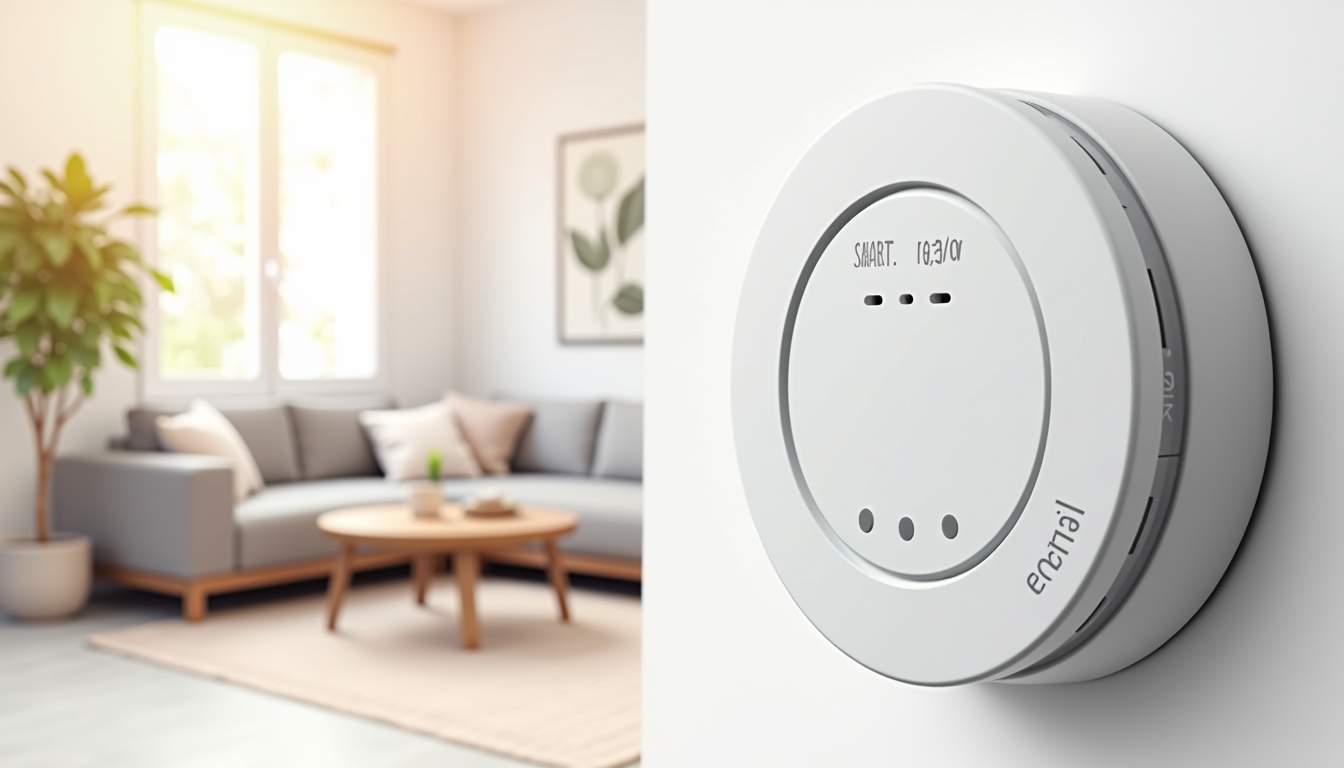
Electrical safety isn’t just about wiring and breakers; it also involves early detection of hazards that can arise from electrical faults. Smart smoke and carbon monoxide (CO) detectors are invaluable additions during rewiring projects.
Enhanced Detection and Alerts
Smart detectors use advanced sensors and algorithms to provide more accurate detection of smoke and CO. They can differentiate between false alarms and real threats, reducing unnecessary disruptions.
These devices connect to Wi-Fi networks and send alerts directly to smartphones, ensuring that occupants are informed even when they are away from the property. This feature is crucial for early intervention and emergency response.
Integration with Other Smart Devices
When integrated with other smart home systems, smoke and CO detectors can trigger actions such as turning on lights, unlocking doors, or shutting down HVAC systems to prevent the spread of smoke or gas. This coordinated response enhances occupant safety during emergencies.
Electrical Load Monitoring and Energy Management
Understanding and managing electrical loads is vital for preventing overloads and potential hazards. Smart load monitoring systems provide detailed insights into how electricity is used throughout a building.
Real-Time Load Analysis
Load monitoring devices installed during rewiring can track consumption on individual circuits or appliances. This real-time data helps identify circuits that are consistently overloaded or devices that draw excessive power, which can be safety risks.
By addressing these issues proactively, property owners can avoid electrical fires and equipment damage.
Automated Load Balancing
Some advanced systems can automatically balance electrical loads by temporarily reducing power to non-essential devices during peak usage. This feature prevents breaker trips and reduces stress on the electrical system, contributing to overall safety and reliability.
Ground Fault Circuit Interrupters (GFCIs) and Arc Fault Circuit Interrupters (AFCIs)
While these devices are not new, upgrading to the latest GFCI and AFCI technology during rewiring is a critical safety enhancement.
Why GFCIs Matter
GFCIs protect against electrical shock by shutting off power when they detect imbalances between the hot and neutral wires, which can indicate current leakage through a person. Installing GFCIs in wet or damp areas such as kitchens, bathrooms, and outdoor outlets is essential for safety.
The Role of AFCIs
AFCIs detect arcing faults, which are often caused by damaged or deteriorated wiring and can lead to fires. Modern AFCIs are more sensitive and reliable, offering superior protection compared to older models.
Incorporating these interrupters during rewiring ensures that the electrical system meets or exceeds current safety codes and provides robust protection against common electrical hazards.
Benefits of Professional Installation and Smart Upgrades
Smart upgrades deliver the best results when installed by qualified electricians who understand both traditional wiring and modern smart technologies. Professional installation ensures that all components are correctly integrated and compliant with safety standards.
Moreover, electricians can provide valuable guidance on which smart upgrades are most suitable based on the building’s layout, usage patterns, and future needs. This tailored approach maximizes safety and efficiency.
Maintenance and Support
After installation, ongoing maintenance and software updates are crucial to keep smart systems functioning optimally. Professional service providers often offer support plans that include remote monitoring and troubleshooting, further enhancing safety and reliability.
Conclusion: Embracing Smart Upgrades for Safer Electrical Systems
Rewiring projects present a unique opportunity to not only replace aging electrical infrastructure but also to incorporate smart upgrades that significantly boost safety. From smart circuit breakers and advanced panels to intelligent detectors and load monitoring systems, these technologies provide proactive protection and real-time insights that traditional systems cannot match.
Investing in smart upgrades during rewiring not only safeguards property and lives but also enhances convenience, energy efficiency, and future readiness. As electrical demands continue to evolve, embracing smart technology is the smartest way to ensure a safe and reliable electrical system for years to come.




