
Residential spray foam insulation plays a key role in improving energy efficiency in homes. By creating a tighter building envelope, it helps minimize air leaks, stabilize indoor temperatures, and reduce heating and cooling loads. Whether you’re retrofitting an older home or planning new construction, understanding how professional residential spray foam insulation service contributes to energy savings can support better long-term decisions.
Spray foam insulation, available in open-cell and closed-cell forms, expands to fill gaps and cracks in walls, ceilings, and attics. This expansion seals off air infiltration points, which are a common source of energy loss in conventional insulation systems. Unlike fiberglass batts or blown-in cellulose, spray foam acts as both an insulator and air barrier, effectively reducing drafts and preventing conditioned air from escaping..
Closed Cell vs. Open Cell Foam Performance
Both types contribute to energy savings but serve different roles:
- Closed cell foam has a higher R-value and adds structural strength. It’s better suited for exterior walls and unvented attics.
- Open cell foam is lighter, more flexible, and expands further. It’s useful for interior walls and ceilings.
Feature | Closed Cell Spray Foam | Open Cell Spray Foam |
|---|---|---|
R-Value per inch | 6.5+ | ~3.7 |
Moisture resistance | High | Low |
Air sealing capability | Excellent | Excellent |
Application areas | Exterior, attics, crawlspaces | Interior walls, ceilings |
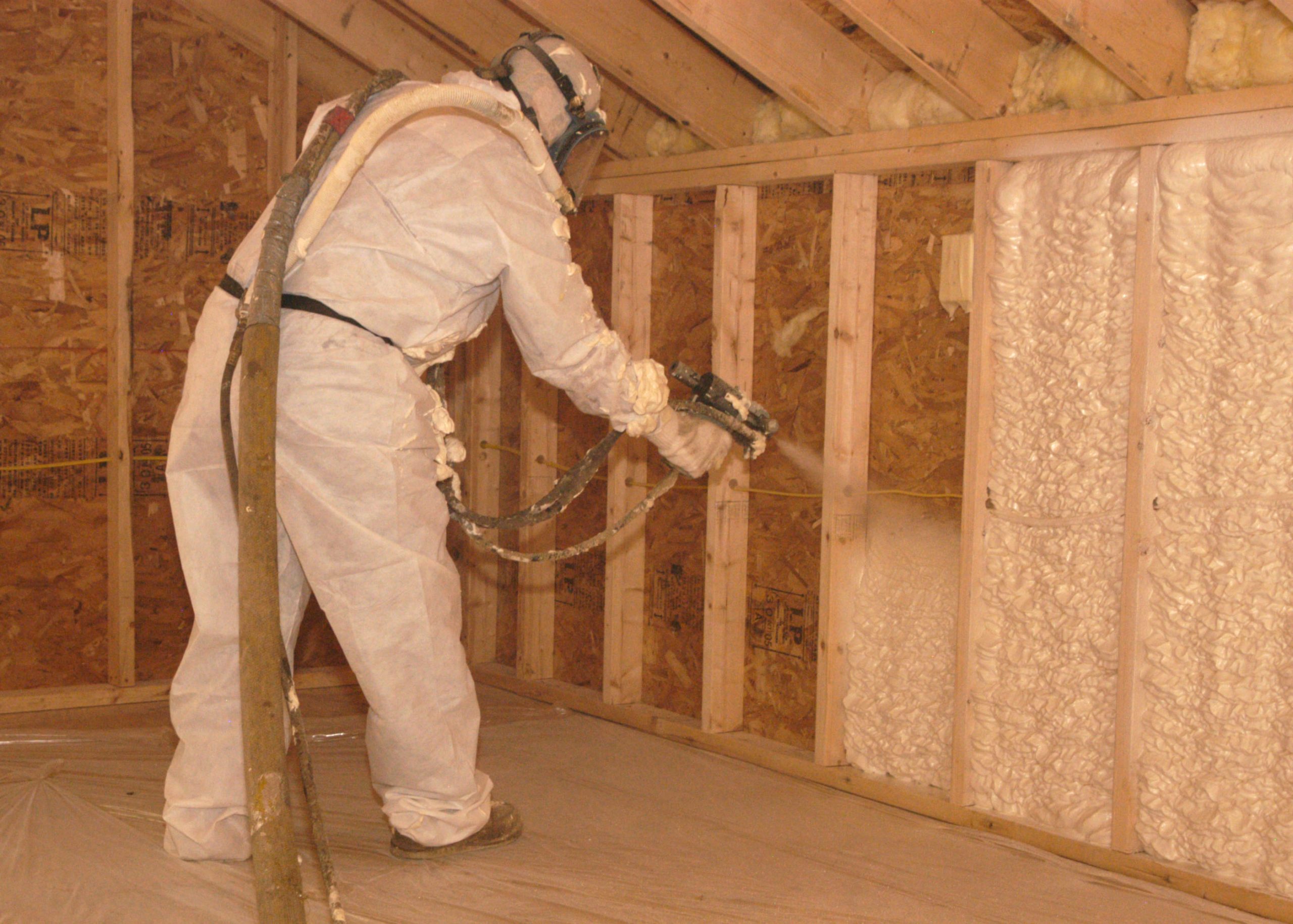
Preventing Air Leakage and Thermal Drift
One of the biggest contributors to energy waste is uncontrolled air movement. Spray foam fills:
- Gaps around plumbing, vents, and wiring
- Seams between building materials
- Irregular wall cavities
This air seal reduces drafts and helps HVAC systems maintain consistent temperatures with less effort.
How Spray Foam Insulation Lowers Utility Bills
The insulation barrier created by spray foam reduces the need for heating in winter and cooling in summer. Over time, this translates into meaningful savings.
Energy Load Reduction in Climate Zones
Spray foam’s performance changes depending on the region. In cold climates, it helps retain heat, reducing furnace runtime. In warm climates, it prevents heat gain and lightens the cooling load.
Energy saving effects include:
- Fewer HVAC cycles per day
- Shorter equipment run times
- Lower peak season energy consumption
Minimizing Heat Transfer Through Building Materials
Traditional insulation (like fiberglass or cellulose) can lose effectiveness when compressed or wet. Spray foam doesn’t slump or shift. Its rigid form and adhesion to surfaces make it a long-lasting thermal barrier.
Benefits for New and Existing Homes
Spray foam is effective in both new construction and retrofit applications. Hiring an expert spray foam insulation company offers a unique set of benefits.
New Construction Opportunities
Builders who plan ahead for spray foam can:
- Reduce framing complexity by skipping venting in certain attic designs
- Improve HERS ratings or meet energy code compliance
- Downsize HVAC equipment thanks to reduced thermal load
Retrofit Applications
Homeowners upgrading their insulation can apply spray foam to:
- Attic floors and slopes
- Basement rim joists
- Crawlspace walls and ceilings
- Wall cavities during major renovations

Common Questions About Energy Efficiency Gains
Homeowners often wonder how much energy savings to expect, and where insulation makes the most difference.
How Long Before Spray Foam Pays for Itself?
The return on investment varies by:
- Local utility rates
- Size of the home
- Condition of existing insulation
In many cases, payback occurs in 3–6 years from reduced heating and cooling bills.
Is Spray Foam Better Than Fiberglass for Energy Savings?
Yes, in most cases. Spray foam offers:
- Better air sealing
- Higher R-value per inch (especially closed cell)
- Lower risk of air infiltration
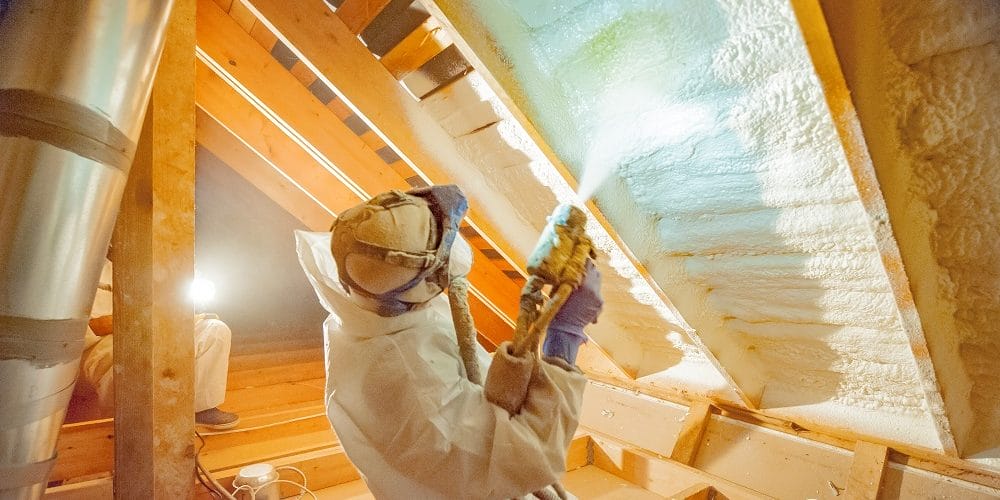
Key Considerations Before Choosing Spray Foam
While the energy savings are clear, other factors influence whether spray foam is right for your home.
Moisture and Ventilation Balance
Spray foam creates a tight envelope. If the home isn’t designed for mechanical ventilation, this could trap humidity. Adding:
- HRVs (heat recovery ventilators)
- Dehumidifiers
can help maintain good indoor air quality.
Building Code and Inspection Requirements
Some jurisdictions require ignition barriers or thermal barriers over spray foam. It’s important to:
- Check local building codes
- Work with certified insulation contractors
Conclusion
Spray foam insulation is a proven way to improve residential energy performance. By sealing air leaks, resisting moisture, and offering stable R-values, it helps reduce seasonal heating and cooling demands. This efficiency leads to noticeable utility bill savings in nearly all climates.
For homeowners investing in either a new build or retrofitting an older home, an expert spray foam insulation contractor can offer both immediate and long-term energy benefits. It’s not just about comfort—it’s a step toward more sustainable and cost-effective home operation. Over time, the energy savings from reduced HVAC use can offset the initial installation cost, making spray foam a cost-effective investment. Homeowners pursuing energy efficiency upgrades or aiming to meet building codes or energy rating standards may also benefit from improved home resale value and eligibility for energy-related incentives or rebates.
FAQs
Does spray foam improve HVAC system performance? Yes. When a home is better insulated and sealed, HVAC systems operate more efficiently. Spray foam can reduce system cycling and extend equipment lifespan.
Can spray foam be used in older homes? Yes. Spray foam is often added to attics, crawlspaces, or wall cavities during remodels or energy upgrades. Proper prep and ventilation planning are important.
What R-value should I aim for with spray foam? It depends on the climate zone and part of the home. Closed cell foam provides ~6.5 per inch, while open cell foam is around 3.7. Energy codes may guide minimum R-values.
Does spray foam eliminate all drafts? Spray foam dramatically reduces drafts but complete elimination depends on full application coverage and addressing other penetrations like windows and doors.
Is it safe to use spray foam indoors? Yes, once cured. Proper installation with ventilation during curing ensures indoor air quality. Always hire experienced installers for safety and effectiveness.
Author: Jeremy Fields brings over a decade of experience in construction and business to Ozark Eco Foam. With a background in both residential and commercial projects, he focuses on completing each insulation job with accuracy and attention to detail. Ozark Eco Foam reflects his commitment to quality work and practical solutions built on years of hands-on industry knowledge.
Reviewer: Amelia Young contributed insights from 10 years in spray foam insulation. Her review helped sharpen the article’s focus on customer engagement and clear service messaging.






