
Shoreline erosion is a persistent challenge for property owners living near lakes, rivers, and coastal areas. Wind, waves, rising water levels, and storm surges slowly wear away land, threatening homes, businesses, docks, and recreational spaces. One of the most effective and long-lasting solutions is hiring professional seawall construction services. A properly engineered seawall acts as a protective barrier, absorbing and deflecting the force of water to preserve your shoreline.
In this article, we’ll explore how seawalls work, why professional installation matters, and what types of seawalls are best for different environments.
Understanding Shoreline Erosion
Erosion isn’t just cosmetic—it affects soil stability, property value, and marine ecosystems. When waves consistently strike the shoreline, they carry sediments away. Over time, this weakens the land structure, leading to:
Loss of usable land
Damage to waterfront structures
Flooding or water intrusion
Collapse of embankments or slopes
Increased maintenance costs
Natural solutions like vegetation and sand replenishment may help but are rarely strong enough to withstand long-term wave pressure. Seawall construction services provide durable protection customized to your environment.
What Is a Seawall?
A seawall is a structural barrier built along a shoreline to resist the impact of waves and tidal movement. Unlike simple barriers or landscaping, seawalls are engineered with hydrodynamics, soil mechanics, and environmental factors in mind.
The main purpose of a seawall is to:
Keep land in place
Protect nearby structures
Prevent erosion and flooding
Stabilize the shoreline long-term
Professional contractors not only build seawalls but also analyze geological conditions, drainage requirements, and water levels to ensure longevity.
How Seawall Construction Services Prevent Erosion


1. Wave Energy Deflection
Seawalls reduce the force of incoming waves by bouncing energy back into the water or distributing it laterally. This prevents the soil behind the wall from being disturbed or washed away.
2. Reinforced Structural Engineering
Professional seawall construction services use materials engineered to withstand decades of marine pressure. High-quality seawalls incorporate:
Steel reinforcement bars
Marine-grade concrete
Tough composite panels
Interlocking vinyl panels
These materials resist cracking, corrosion, and water infiltration better than DIY approaches.
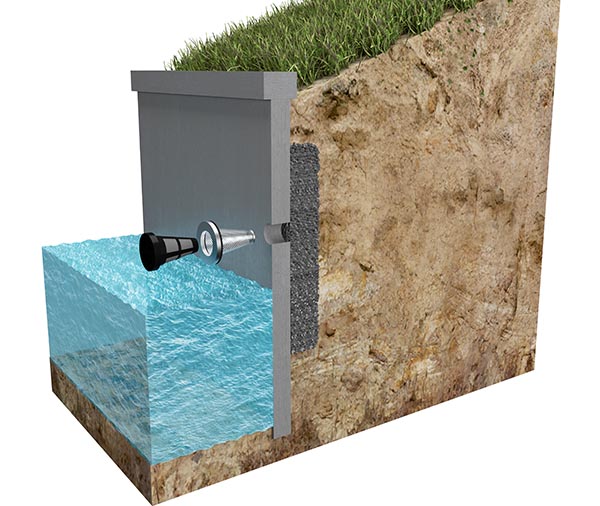
3. Proper Drainage Systems
Water can slowly destroy a seawall if pressure builds behind it. Professional builders add features like:
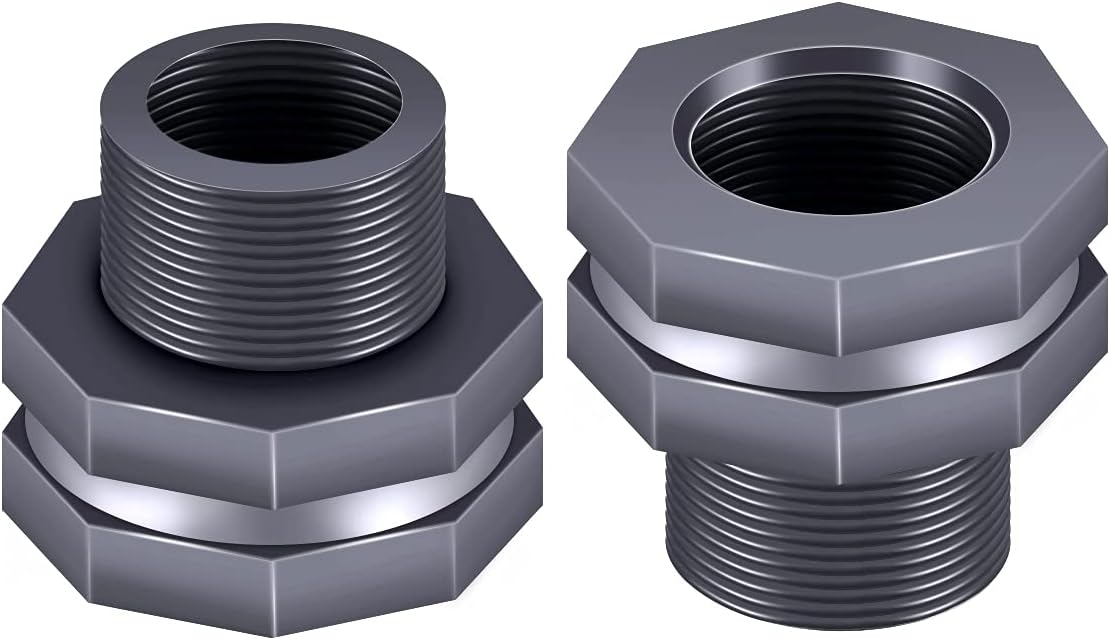
Weep holes
Drainage fabric
Filter systems
Backfill stone layers
These allow groundwater to escape safely, preventing hydrostatic pressure that causes bulging or collapse.
4. Foundation and Anchor Support
The most common reason amateur seawalls fail is a poor foundation. Professionals analyze soil composition and water movement to install:
Reinforced footers
Deadman anchors
Tieback systems
This ensures the seawall stays anchored, even during extreme weather or sustained wave action.
5. Smart Shoreline Design
A skilled marine contractor considers environmental factors such as vegetation, tidal patterns, and wave velocity. They may combine seawalls with riprap (rock barriers), sand replenishment, or erosion mats to improve stability and habitat health.
Types of Seawalls and Their Benefits
Choosing the right design depends on your shoreline conditions—freshwater, saltwater, open coast, calm canal, or lakefront. Here are the most common options offered by professional seawall construction services:
1. Concrete Seawalls
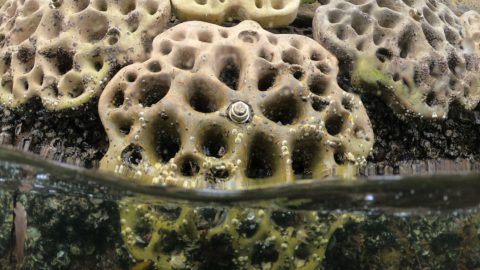


Concrete seawalls are highly durable and ideal for strong wave environments. They can last over 30+ years with minimal maintenance and offer:
High structural strength
Resistance to corrosion when engineered correctly
Smooth, modern aesthetics
These are perfect for oceanfront homes, commercial marinas, and high-impact coastal areas.
2. Vinyl or PVC Seawalls
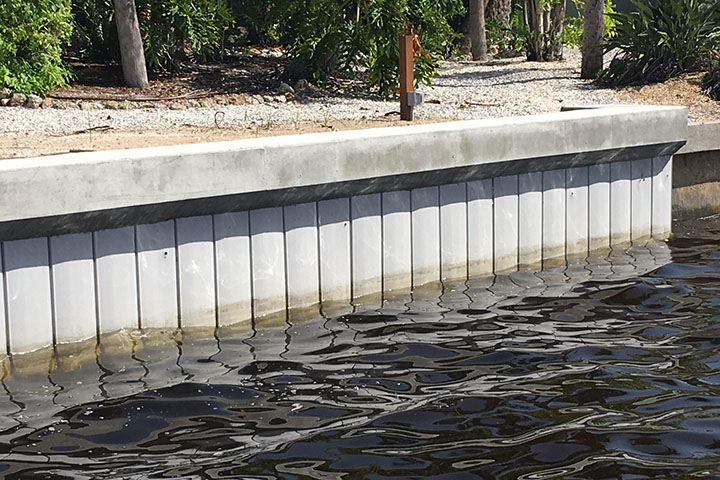
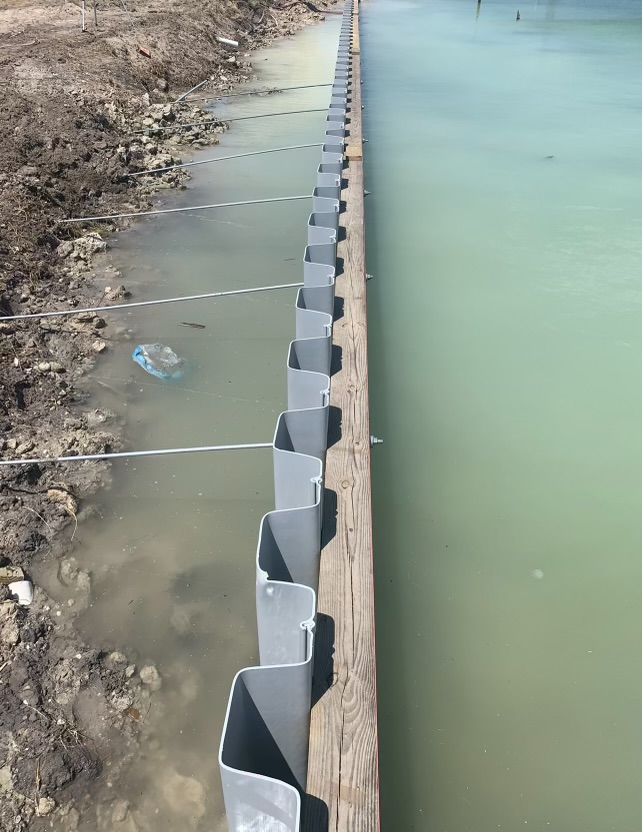
Vinyl seawalls are lightweight, cost-effective, and highly resistant to rot or rust. They are excellent for:
Canals
Lakes
Calm residential shorelines
Their interlocking design reduces seepage and helps retain soil.
3. Steel Seawalls
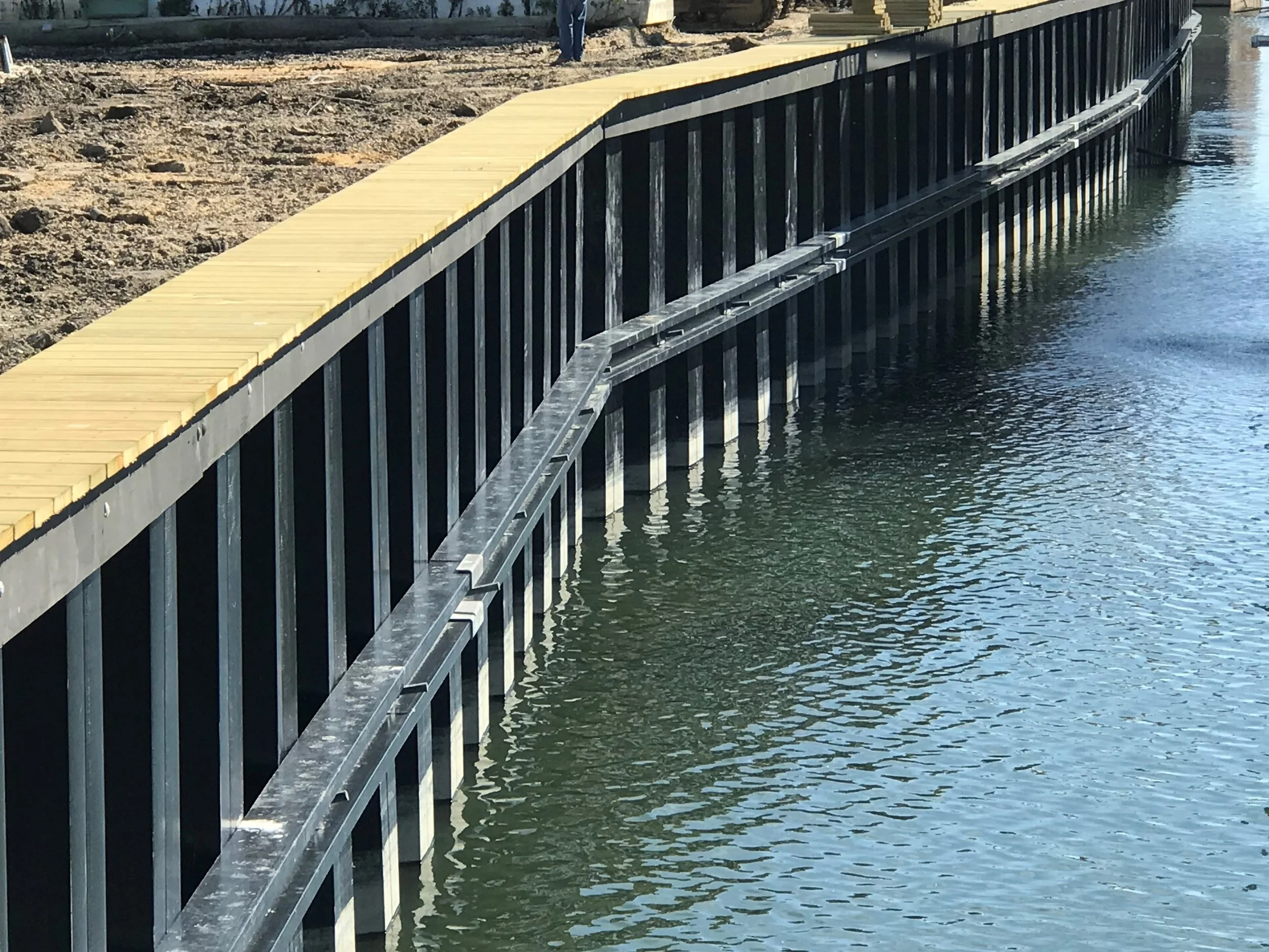
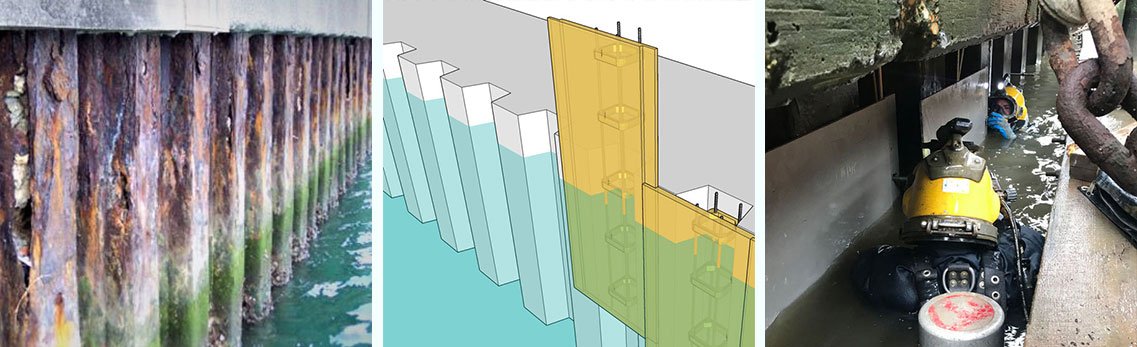
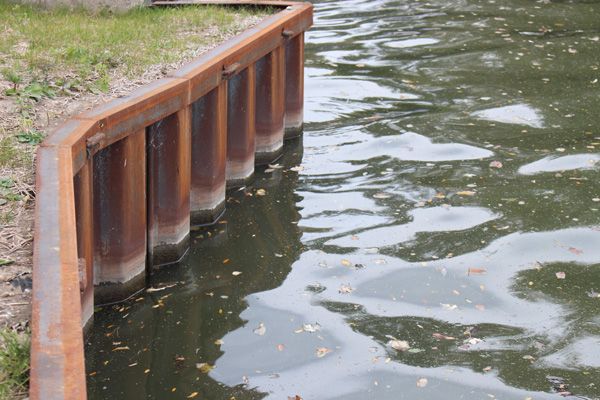
Steel seawalls are often used in commercial or industrial settings. They deliver:
Maximum strength for heavy wave action
Excellent resistance to mechanical damage
Long lifespan with proper coating
Ideal for ports, marinas, and larger waterfront facilities.
4. Riprap Seawalls (Rock Barriers)
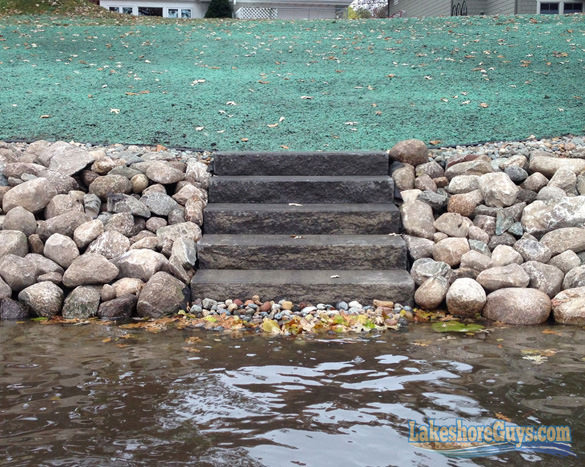
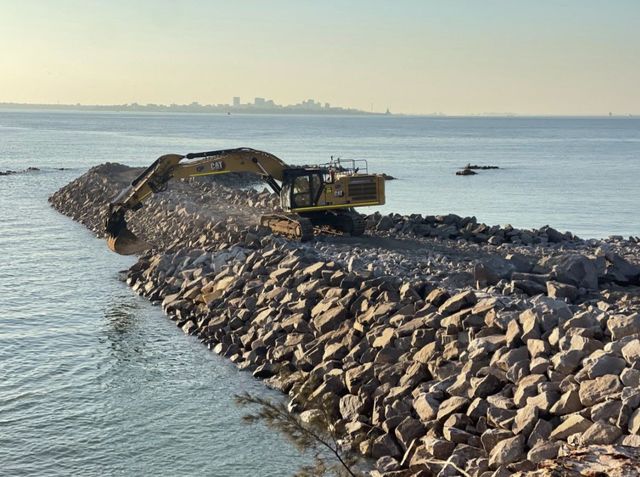

Riprap uses natural stone or boulders to absorb rather than reflect wave energy. It is one of the most eco-friendly solutions and offers:
Habitat support for aquatic species
Natural shoreline aesthetics
Strong erosion resistance over time
Why Hiring Professional Seawall Experts Matters
Experience With Marine Conditions
Unlike traditional construction, shoreline projects require knowledge of:
Tide cycles
Soil erosion patterns
Seasonal storms
Wave dynamics
Permit and environmental regulations
Professionals understand these variables and design seawalls to withstand them.
Precision Equipment
Seawall construction often requires:
Sheet piling rigs
Vibratory hammers
Marine-grade concrete mixers
Hydraulic anchors
These ensure correct installation depth and structural integrity.
Materials Designed for Longevity
High-quality marine-grade materials resist:
Saltwater corrosion
UV exposure
Freeze-thaw cycles
Impact abrasions
Combined with expert installation, this produces a seawall that lasts decades—not just a few years.
Long-Term Maintenance and Inspection
A well-built seawall isn’t “set it and forget it.” Routine evaluation prevents expensive failures. Maintenance may include:
Checking for cracks or displacement
Inspecting drainage holes
Removing debris buildup
Replacing corroded tiebacks
Refilling eroded backfill
Professional seawall construction services often offer annual maintenance packages, ensuring the structure remains resilient.
The Environmental Benefits of Modern Seawalls
Contrary to common belief, seawalls aren’t inherently harmful to marine ecosystems. When engineered thoughtfully, they can:
Reduce sediment pollution
Protect marine habitats from collapse
Prevent freshwater contamination
Maintain shoreline vegetation
Some advanced seawalls even incorporate “living shoreline” features, blending structural defense with natural elements such as mangroves, salt marsh plants, or eco-friendly panel textures.
Final Thoughts
Shoreline erosion is a serious issue that can permanently impact your property, environment, and long-term safety. Investing in professional seawall construction services is one of the most reliable ways to protect your land. Seawalls not only shield against wave impact but also preserve soil, protect nearby structures, and stabilize landscapes for generations.




