
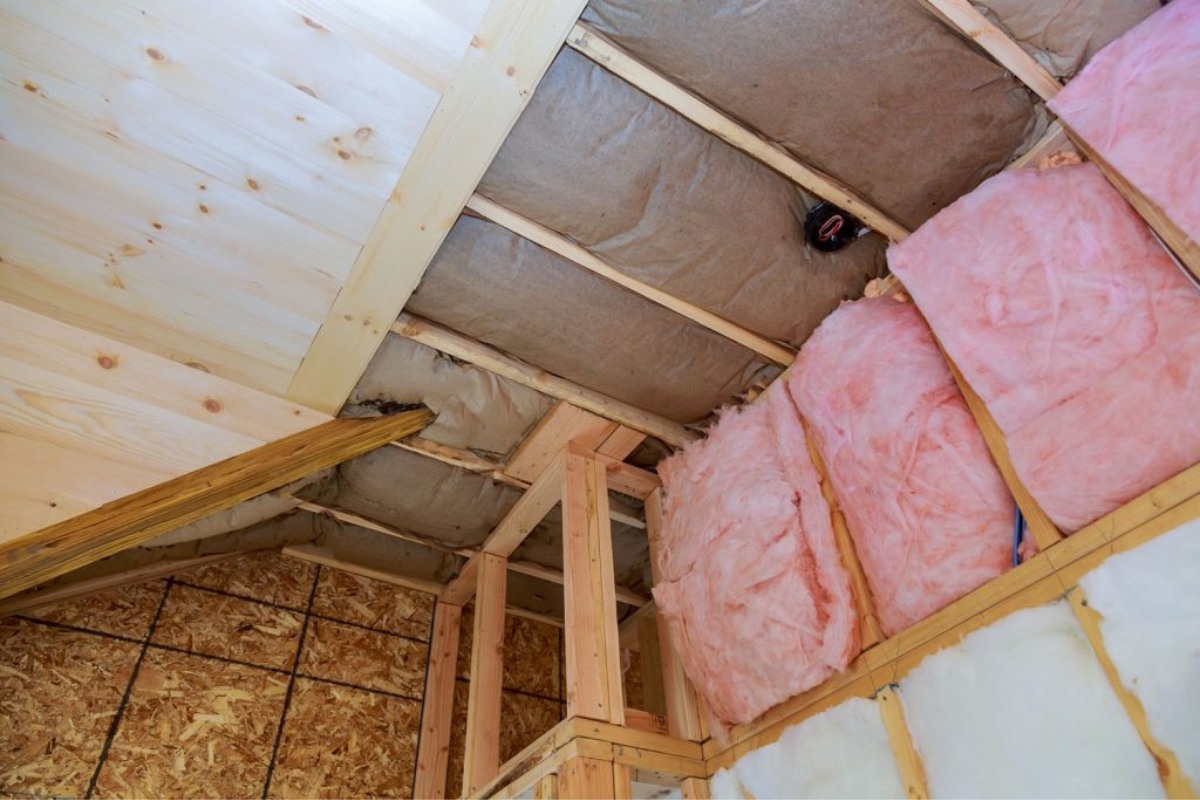
Fiberglass batt insulation is one of the most widely used materials for improving thermal efficiency in both residential and commercial buildings. Property owners increasingly seek sustainable methods to maintain comfortable indoor temperatures year-round—and fiberglass batt insulation is a proven solution. In this post, we explore how fiberglass batt insulation enhances energy efficiency in every season, improves HVAC performance, and supports building code compliance.
How Fiberglass Batt Insulation Maintains Year-Round Energy Efficiency
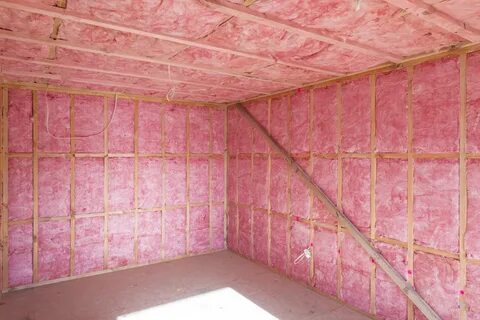
Professional fiberglass batt insulation service works by resisting heat transfer through walls, ceilings, and floors, keeping warm air in during winter and out during summer. This dual-season functionality helps stabilize indoor temperatures while reducing energy use.
Thermal Resistance Across All Seasons
Fiberglass insulation is effective in both hot and cold climates. It has a high R-value per inch, allowing it to resist heat flow year-round.
- In winter, it minimizes heat loss through exterior walls and attics
- In summer, it slows the transfer of outdoor heat into interior spaces
- R-values can range depending on thickness and placement
Climate Control Without HVAC Overuse
Well-installed fiberglass batt insulation reduces reliance on heating and cooling systems. This benefits both residential and commercial property owners through:
- Reduced HVAC runtime
- Improved temperature consistency across rooms
- Less frequent maintenance on heating and cooling systems
Moisture and Air Barrier Support
While fiberglass itself isn’t a vapor barrier, modern installations often include facing or are combined with air-sealing products. This improves the building envelope’s efficiency and further reduces thermal bridging.
How Fiberglass Batt Insulation Compares to Other Insulation Materials
When evaluating insulation options, fiberglass remains popular due to its consistent performance and versatility.
Fiberglass Batt vs. Other Common Insulation Types
Feature | Fiberglass Batt | Spray Foam | Cellulose | Mineral Wool |
|---|---|---|---|---|
R-Value per inch | 2.9–3.8 | 6–7 | 3.2–3.8 | 3.0–3.3 |
Moisture resistance | Moderate (with facing) | High | Low | High |
Fire resistance | Non-combustible | Varies | Treated | Naturally fire-resistant |
Environmental impact | Low VOCs | Higher VOCs | Recycled content | High energy to produce |
Ease of installation | Easy (DIY friendly) | Professional-only | Dense-pack method | Professional-only |
Performance-to-Application Versatility
Fiberglass batt insulation delivers strong long-term performance for property owners seeking insulation across varied climates and structural types. Although spray foam offers high air sealing, fiberglass provides flexibility and a simpler install process.
How Proper Insulation Reduces Energy Use and Environmental Impact
Well-insulated buildings require less energy for heating and cooling, directly impacting environmental performance and indoor comfort.
Reducing Heating and Cooling Energy Use
Fiberglass batt insulation can reduce total energy consumption by maintaining consistent interior temperatures.
- Attic insulation reduces winter heat escape
- Wall insulation prevents year-round thermal loss
- Crawlspace insulation helps stabilize whole-home efficiency
Supporting Environmental Goals
By reducing the need for powered HVAC usage, fiberglass batt insulation supports:
- Improved building energy performance
- Compliance with energy efficiency standards
- Long-term environmental building strategies
Installation Best Practices That Maximize Energy Efficiency
Proper installation is key to achieving maximum thermal performance from fiberglass batt insulation.
Fit and Compression
Insulation must be cut to fit snugly around obstacles such as pipes and electrical boxes. Gaps or compression reduce R-value and performance.
- Always fluff batts to full thickness
- Avoid cramming insulation into tight areas
- Cut batts cleanly around obstructions
Air Sealing Complements Thermal Barriers
Air leaks can bypass insulation entirely. Sealing gaps before or during insulation installation helps ensure:
- A continuous thermal barrier
- Less air infiltration in warm months
- Better indoor air quality across seasons
Facing Options and Moisture Management
Faced fiberglass batts offer built-in vapor control for use in certain climates.
- Use kraft-faced or foil-faced insulation in humid or mixed climates
- Install with the facing side toward the heated interior
- Avoid trapping moisture by skipping double vapor barriers
Benefits for Residential and Commercial Property Owners
Both homeowners and commercial facility managers benefit from the energy stability and comfort that fiberglass batt insulation delivers.
Residential Property Advantages
- Enhanced indoor comfort in bedrooms, attics, and living areas
- Reduced seasonal drafts and hot/cold spots
- Sound dampening between rooms and from exterior noise
Commercial Property Advantages
- Consistent climate control across work zones
- Improved HVAC efficiency in large-scale buildings
- Easier compliance with regional energy efficiency benchmarks
FAQs
Is fiberglass batt insulation safe for indoor air quality?
Yes. Modern fiberglass insulation uses low-emission binders and does not introduce contaminants when correctly installed and enclosed within wall or ceiling cavities.
How long does fiberglass batt insulation last?
Fiberglass batt insulation can last several decades when kept dry and undisturbed. Its resistance to mold, pests, and breakdown supports long-term performance.
Can fiberglass batt insulation be installed in existing walls?
Yes, but this typically requires opening up wall cavities. For finished spaces, blown-in alternatives may be more practical unless walls are being renovated.
What R-value should I choose for attic insulation?
Attic insulation R-values vary by region. In colder areas, higher R-values such as R-38 or more are typically recommended to maintain consistent heat retention.
Is fiberglass batt insulation eco-friendly?
Fiberglass insulation contains a high percentage of recycled glass and natural materials like sand. It’s widely regarded as an environmentally responsible insulation choice.
Conclusion
Fiberglass batt insulation is a durable and effective solution for maintaining thermal efficiency throughout the year. It helps buildings retain heat during the winter and resist heat gain in summer, making it ideal for diverse climates and property types. Its compatibility with both residential and commercial applications ensures widespread utility and value.
For those seeking an energy-efficient building envelope without compromising performance, a professional insulation company offers a reliable path to greater comfort, HVAC efficiency, and long-term sustainability across every season.
Reviewer
Reviewer: Lily Johnson offered her feedback after reviewing this post. With 8 years in the spray foam insulation field, her suggestions centered around improving outreach to homeowners looking for quality insulation solutions.






