
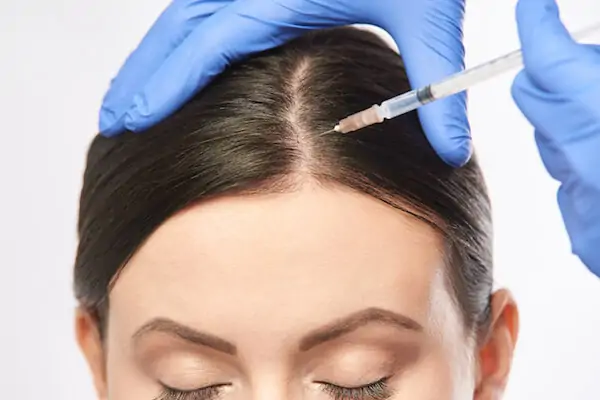
 In recent years, the beauty industry has experienced a seismic shift, blending cutting-edge technology and genetic science to revolutionize the way we perceive and enhance our physical appearance. Treatments once limited to the realm of science fiction are now becoming commonplace, with innovations such as gene editing and hair restoration therapies drawing significant attention. These advancements hold the promise of eradicating genetic flaws, reversing aging, and even improving one’s natural beauty. However, as these technologies become more accessible and mainstream, the question arises: is beauty outpacing bioethics? Among the most notable breakthroughs is the introduction of treatments like hair prp (platelet-rich plasma) therapy, which has shown promising results in restoring hair growth for individuals struggling with thinning or baldness. While the potential benefits are undeniable, the ethical implications of manipulating genes and altering natural processes demand serious consideration.
The Allure of Gene Hacks in the Beauty Industry
Gene editing technologies, particularly CRISPR, have captured the imagination of the public and researchers alike. This technology, which allows scientists to precisely alter DNA, has opened the door to possibilities once reserved for fantasy. In the beauty industry, gene editing is being explored as a means to correct inherited skin conditions, delay the signs of aging, and even alter physical features to fit society’s ever-changing ideals of beauty. From eliminating wrinkles to enhancing the color of one’s eyes, these innovations promise to give consumers unprecedented control over their genetic makeup.
However, the application of gene hacks to beauty raises profound ethical questions. Should we be able to “design” ourselves to meet specific beauty standards? The desire to manipulate genetics to achieve perfect skin, luscious hair, or youthful looks is rooted in societal pressures and ideals of beauty. Yet, this desire might overshadow the inherent risks associated with genetic modification. How far is too far when it comes to altering one’s natural traits for cosmetic purposes? While gene editing could eradicate genetic diseases, its use in beauty could lead to a slippery slope where the line between enhancement and ethical responsibility becomes increasingly blurred.
Cosmetic Genetics vs. Genetic Engineering
The field of cosmetic genetics is emerging as a prominent area of interest in both medical and beauty circles. Unlike traditional genetic engineering aimed at curing diseases, cosmetic genetics focuses on enhancing features or altering traits that are not considered medically necessary. While the medical community has long grappled with the ethical considerations of gene therapy, cosmetic genetics presents a more complex dilemma. What happens when genetic modification is no longer about saving lives but about improving physical appearance?
On the surface, cosmetic genetics may seem like an exciting and harmless way to enhance one’s looks. However, it raises critical concerns about societal inequality, body image, and the concept of natural beauty. If only the wealthy can afford to genetically modify themselves or their children, it could lead to a new form of genetic elitism, where physical attractiveness is no longer based on genetics alone but on the ability to pay for genetic enhancements. Furthermore, widespread use of cosmetic genetics could create an unrealistic standard of beauty, reinforcing harmful stereotypes and promoting conformity rather than celebrating diversity.
Hair Restoration and the Promise of PRP Therapy
Hair restoration treatments have long been a staple in the beauty and medical industries, with techniques such as hair transplants and laser therapies gaining popularity. Among the most innovative and non-invasive treatments is platelet-rich plasma (PRP) therapy, which involves using the patient’s own blood to stimulate hair growth. PRP therapy has gained attention as an effective solution for individuals experiencing hair loss or thinning, providing a less invasive alternative to traditional hair restoration procedures.
While PRP therapy has proven successful for many, it also raises important questions about the ethical implications of such treatments. Is it ethical to offer a solution to a naturally occurring condition, such as hair loss, that has no real medical consequences? Moreover, the accessibility of such treatments, often marketed as quick fixes for beauty concerns, may lead individuals to prioritize cosmetic improvements over their overall well-being. As the demand for hair restoration continues to grow, it’s essential to consider the psychological impact on individuals who may feel pressured to undergo these procedures in order to meet societal standards of beauty.
Regulation, Responsibility, and the Need for Bioethics in Beauty Treatments
With the rise of genetic modifications and cosmetic enhancements, the role of bioethics in the beauty industry is more crucial than ever. While the potential benefits of these technologies are undeniable, regulation is essential to ensure that they are used responsibly and ethically. Governments and regulatory bodies must step in to create frameworks that balance the potential for innovation with the need to protect individuals from harm. This includes ensuring that treatments are safe, that consumers are fully informed about the risks, and that there is no exploitation of vulnerable populations.
At present, the beauty industry is often ahead of regulatory bodies, with new treatments being rolled out before adequate oversight can be established. This leaves consumers vulnerable to unregulated practices and risks, from ineffective products to harmful side effects. As the demand for gene hacks and beauty treatments continues to grow, it is imperative that bioethics become a central consideration in the development and distribution of these technologies. Ethical guidelines should not only focus on ensuring safety but also on the broader social implications of genetic modifications in the context of beauty.
The Future of Beauty: Ethics, Innovation, and the Quest for Perfection
Looking ahead, it is clear that the future of beauty will be intertwined with advancements in genetic science and biotechnology. As gene editing, hair restoration, and other cosmetic treatments become more advanced, the boundaries between medical necessity and cosmetic enhancement will continue to blur. While these technologies hold the potential to address issues such as genetic disorders, hair loss, and aging, they also challenge our understanding of what it means to be “beautiful” and what it means to be human.
In the quest for perfection, it is essential that society takes a step back and considers the broader implications of these advancements. We must ask ourselves whether the pursuit of beauty is worth the ethical dilemmas it creates and whether we are prepared to face the consequences of altering our genes to achieve physical ideals. As we stand on the precipice of a new era in beauty, it is crucial that we continue to engage in thoughtful discussions about the ethical responsibilities of both consumers and providers in this rapidly evolving field.
In conclusion, the intersection of beauty and bioethics is a complex and evolving issue that demands careful thought and consideration. While gene hacks and hair restoration treatments offer exciting possibilities, we must be vigilant in ensuring that these advancements are used responsibly and ethically. The beauty industry may be outpacing bioethics, but it is not too late to establish guidelines and regulations that prioritize the well-being of individuals and society as a whole. Only through thoughtful reflection and ethical responsibility can we ensure that these innovations enhance our lives without compromising our values.




