The world of surgery depends heavily on precision and efficiency. Among the many instruments that enable successful procedures, the Frazier suction surgical instrument stands out as a vital tool. Known for its ability to provide focused suction in intricate surgical settings, this tool is an essential part of operating rooms worldwide. Whether aiding in neurosurgery, ENT procedures, or delicate microsurgeries, the Frazier suction instrument revolutionizes the way surgeons manage fluids and maintain visibility.
Understanding the Frazier Suction Instrument
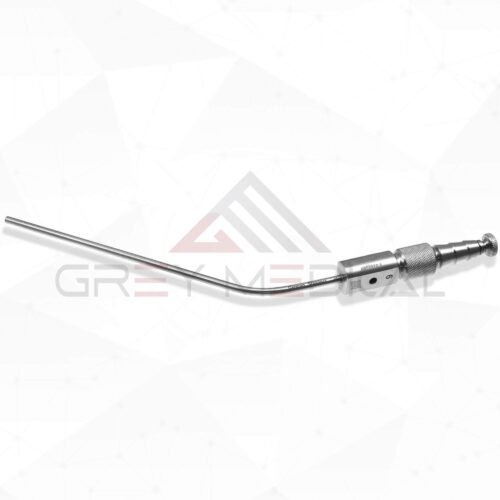
The Frazier suction instrument is a specialized surgical tool designed for precision in suctioning fluids such as blood or other bodily substances from the operative field. It comprises a thin, hollow tube that tapers to a fine tip, a thumbhole for flow control, and dimensions suited for targeting specific areas during surgery. Available in various sizes, this instrument can address varying procedural requirements, ensuring optimal control and minimal tissue damage.
What sets the Frazier suction instrument apart is its ability to provide surgeons with unimpeded visibility in confined surgical spaces. This feature makes it invaluable for delicate operations, where even minor obstructions or pooling fluids can significantly impact outcomes.
Key Applications in Surgical Procedures
The versatility of the Frazier suction instrument allows it to be used across a variety of surgical specialties. Among its most common applications, neurosurgery holds a significant place. Neurosurgeons often deal with challenging anatomy in areas where precision is non-negotiable. The fine tip of the Frazier instrument enables these experts to clear fluid effectively without damaging nearby delicate structures.
Similarly, this instrument is integral in ear, nose, and throat (ENT) surgeries, where the intricate anatomy demands tools that minimize disruption. For instance, during sinus surgeries or procedures addressing nasal polyps, the Frazier suction ensures a clean operative field without requiring invasive maneuvers.
Its use also extends into plastic and reconstructive surgery, particularly when handling procedures like rhinoplasties or repairing facial traumas. The high level of control offered by the Frazier suction tool aligns perfectly with the accuracy required in cosmetic and restorative interventions.
Design Features That Enhance Precision
The success of the Frazier suction instrument lies in its thoughtful and highly functional design. The fine, tapered tip is engineered to access small, confined spaces without damaging surrounding tissue. The thumbhole on the handle provides surgeons with dynamic flow control, empowering them to adjust suction intensity in real-time. These features work together to create a balance between effective suction and safety, which is critical in high-stakes surgeries.
Size variety is another crucial aspect. The available channel diameters ensure adaptability to various types of surgeries, from delicate microsurgical procedures to broader surgical needs. Each instrument is designed to handle specific challenges, ensuring surgeons have the right tool at their disposal.
Furthermore, the material used to manufacture these instruments is highly durable and resistant to corrosion. This durability allows it to handle repeated sterilization cycles, making it a cost-efficient and long-lasting addition to any surgical toolkit.
Enhancing Outcomes Through Efficiency
One of the most significant benefits of the Frazier suction instrument is its role in improving surgical efficiency. By ensuring a clear operative field, it reduces procedure time and enhances the precision of surgical interventions. This efficiency not only benefits the medical professionals conducting the operation but also translates to better outcomes for patients. Shorter surgeries often mean quicker recoveries and fewer complications.
Additionally, the Frazier suction instrument minimizes the need for additional tools during surgery. Since it can be used to clean and suction confined areas simultaneously, operating room workflows become more streamlined. Its ergonomic design ensures ease of handling, reducing surgeon fatigue, which can be critical during lengthy and complex procedures.
Modern Innovations in Frazier Suction Instruments
While the fundamental functionality of the Frazier suction instrument remains consistent, modern technological advancements have brought about several enhancements. Some instruments now feature disposable components, ensuring a sterile environment for every procedure. Others incorporate advanced suction mechanisms to prevent clogging or interruptions during critical moments.
There is also a growing interest in integrating this instrument with robotic-assisted surgical systems to push the boundaries of precision even further. With robotics improving access and visualization, the pairing with Frazier suction instruments ensures unparalleled accuracy in specialized surgeries.
Why the Frazier Suction Instrument Remains Indispensable
The Frazier suction surgical instrument is a quintessential example of how thoughtful design can address complex challenges in healthcare. Its ability to combine precision, control, and efficiency has secured its place in the toolkit of surgeons across medical disciplines. This instrument not only facilitates clearer visibility but also ensures safer surgeries by minimizing disruption to delicate tissues.
From neurosurgery to plastic surgery, the Frazier suction instrument continues to shape modern surgical practices, catering to the rising demands for better, faster, and safer procedures. For surgeons and patients alike, it represents a small but significant step toward achieving excellence in medicine.