In a world where personal well-being is increasingly guided by information, data has become a powerful companion on the path to better health. From wearable devices that track heart rate to lab results stored in secure cloud systems, data transforms vague concerns into clear actions. This article explores how data insights can empower individuals, caregivers, and care teams to make more informed decisions and build sustainable health routines.
Why Data Matters for Personal Health
Data provides context. Rather than relying on occasional impressions or memory, objective readings and trends allow for accurate assessment. For example, a single elevated blood pressure reading might cause alarm, but a week-long trend of readings reveals the true picture. Context turns one-off signals into meaningful patterns.
Actionable information is another advantage. When data is structured correctly and interpreted with the right tools, it suggests specific next steps rather than vague advice. Instead of telling someone to “exercise more,” a data-informed approach might highlight which activities improve sleep quality or pinpoint the time of day when physical activity yields the most benefit.
Additionally, personalized data can help highlight individual variability in health responses. Two people might follow the same diet or medication, yet their bodies respond differently. Tracking data over time unveils these unique patterns, allowing for tailoring of interventions that are more effective than one-size-fits-all solutions. This personalized insight empowers individuals to take ownership of their health journey with confidence.
Furthermore, data collection can integrate multiple sources—from wearable devices to genetic testing—creating a multi-dimensional view of health. This holistic approach not only enhances understanding but also fosters collaboration among healthcare providers, enabling coordinated care plans that address the complex interplay between lifestyle, environment, and biology.
Moving from Reactive to Proactive Care
Traditional health care often reacts to symptoms after they appear. Continuous tracking and early-warning systems change that model. By identifying subtle deviations from baseline—like a gradual reduction in daily steps or a rise in resting heart rate—data allows for early interventions, which can prevent minor issues from becoming major problems.
Reducing Uncertainty and Anxiety
Health uncertainty is stressful. Clear, consistent data reduces anxiety by replacing guesswork with evidence. Knowing whether a trend is an anomaly or part of a sustained change helps individuals and clinicians decide whether to monitor, adjust, or escalate care. This clarity often leads to better adherence to treatment plans and more confident decision-making.
Moreover, having access to reliable data encourages open communication between patients and healthcare providers. When patients bring detailed information to consultations, discussions become more productive, focusing on specific concerns supported by evidence rather than general statements. This not only builds trust but also enhances shared decision-making, which is crucial for effective health management. To learn more, you can visit Aspedan, a company committed to promoting healthy habits through a transformative approach to personal wellness.
Incorporating data also facilitates long-term monitoring that can reveal gradual changes that might otherwise be overlooked during infrequent medical visits. Early detection of these subtle shifts helps in timely medication adjustments or lifestyle modifications, ultimately contributing to improved health outcomes and quality of life.
Types of Data That Make a Difference
Not all health data is created equal. Different types of information contribute uniquely to a person’s health journey. Combining multiple sources creates a fuller picture and reduces blind spots that single data streams might leave behind.

Physiological Data
Physiological metrics include heart rate, blood pressure, sleep stages, blood glucose, and respiratory rate. These measures are often captured by medical devices or consumer wearables. When collected continuously, they reveal daily rhythms, responses to stress, and recovery patterns that inform lifestyle and medical decisions.
Behavioral and Lifestyle Data
Information about activity levels, dietary habits, alcohol consumption, and medication adherence helps explain why physiological changes occur. Behavioral data fills in the story behind the numbers, making it possible to connect habits with outcomes and to prioritize interventions that fit daily life.
Clinical and Lab Data
Lab results, imaging, and clinical notes remain cornerstones of diagnosis and treatment. Integrating clinical data with home-monitored metrics allows comparison between controlled measurements and real-world functioning. For example, a clinician may reconcile a lab value with a patient’s reported symptoms and wearable-derived daily activity to choose the most appropriate treatment.
Social and Environmental Data
Social determinants of health—such as housing stability, access to healthy foods, social support, and exposure to pollution—strongly influence outcomes. Environmental context can explain why an intervention works for one person but not another. Incorporating these factors into data models leads to tailored, realistic recommendations.
How Data Insights Translate into Better Decisions
Raw data is valuable, but insights are actionable. Turning numbers into meaningful guidance requires good analytics, visualization, and interpretation. Effective data insights bridge the gap between measurement and behavior change.

Personalized Recommendations
Algorithms and decision-support tools can translate patterns into personalized suggestions. For example, a person who tends to nap after lunch and then experiences fragmented sleep might receive targeted advice to shift afternoon habits or adjust meal timing. Personalization increases relevance and the likelihood of adoption.
Goal Setting and Progress Tracking
Clear goals backed by measurable milestones make progress tangible. Tracking small wins—like increasing weekly active minutes or reducing average fasting glucose—reinforces motivation. Visual progress over weeks and months shows how daily choices compound into meaningful improvements.
Improved Communication with Care Teams
Data creates a shared language between patients and clinicians. When both parties can see the same trends and records, conversations become more efficient and concrete. Clinicians can prioritize issues backed by evidence, and patients can better articulate symptoms and responses.
Practical Steps to Harness Health Data Safely
Collecting data is straightforward with modern tools, but doing it effectively and responsibly requires planning. The following steps align data collection with meaningful outcomes while maintaining privacy and usability.
Choose Relevant Metrics
Start by identifying what matters most. For someone managing hypertension, regular blood pressure readings and sodium intake tracking are priorities. For someone focusing on mental resilience, sleep quality and mood logs may be more useful. Focusing on a few key indicators prevents information overload.
Use Reliable Tools
Invest in devices and apps with a track record of accuracy and user-friendly design. Accuracy matters for clinical decisions, and usability matters for adherence. Consider tools that provide clear data export options so information can be shared with clinicians as needed.
Create a Routine for Data Collection
Consistent timing improves comparability. Whether logging symptoms each evening or measuring weight first thing in the morning, a routine reduces variability caused by measurement conditions. Consistency also builds the habit of reflection, which supports long-term behavior change.
Protect Privacy and Security
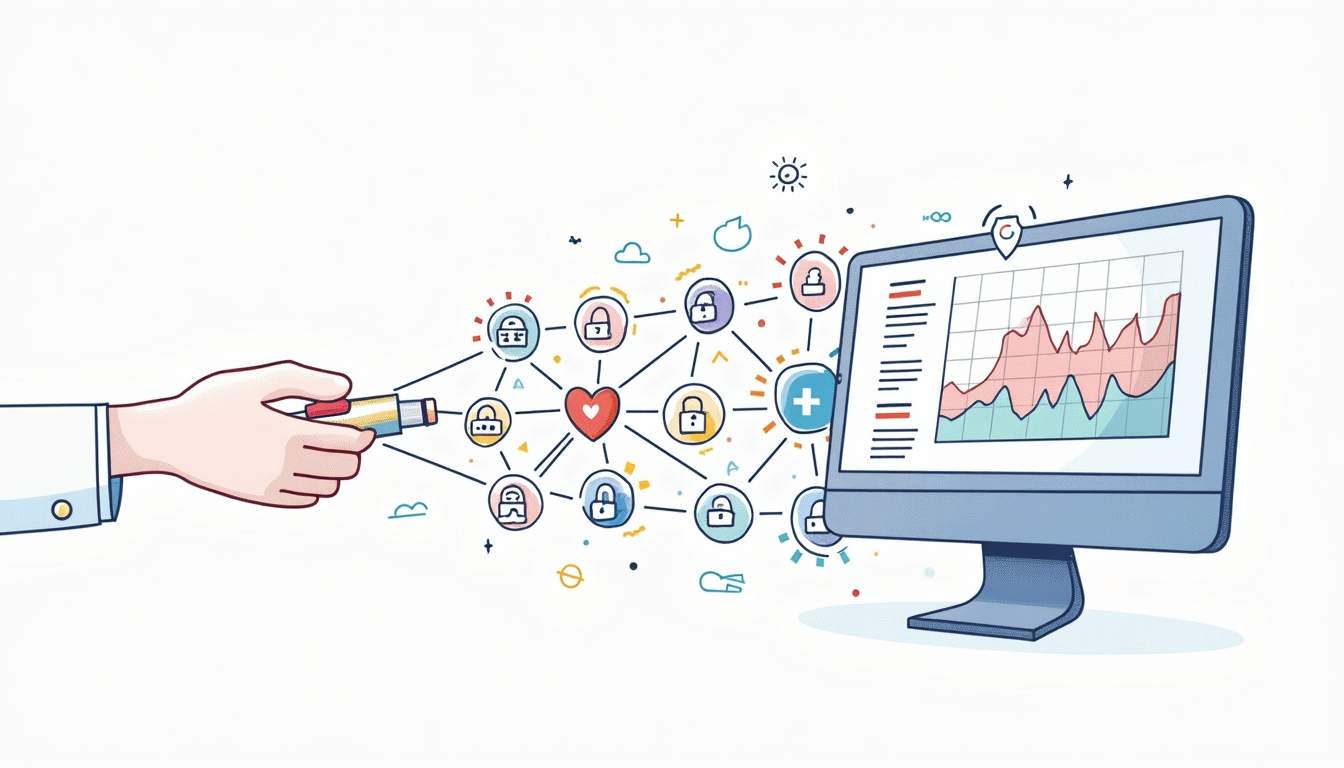
Health data is sensitive. Use platforms that encrypt data at rest and in transit, and review privacy policies to understand how information may be used. When sharing data with healthcare providers or third-party services, limit access to necessary fields and revoke permissions no longer needed.
Interpreting Data: Pitfalls and Best Practices
Data interpretation can mislead if context is ignored. Recognizing common pitfalls and adhering to best practices preserves the value of health data and avoids harmful conclusions.
Avoid Overreacting to Single Data Points
One abnormal reading rarely indicates a chronic problem. Focus on trends and repeated measurements to guard against false alarms. Automated alerts should be configured with thresholds that minimize noise while still flagging genuine concerns.
Beware Confirmation Bias
People tend to notice and remember data that confirms preexisting beliefs. Using structured review practices—such as periodic summaries prepared automatically by analytics tools—helps keep interpretation objective and balanced.
Contextualize with Qualitative Information
Numbers rarely tell the full story. Notes about stressors, travel, dietary changes, or new medications provide context that can change how data is read. Combining quantitative and qualitative inputs leads to better decisions.
Case Examples That Illustrate Impact
Examples help translate abstract concepts into concrete understanding. The scenarios below show how data insights can influence everyday health decisions across different areas of life.
Improving Sleep and Energy
Tracking sleep duration and stages over several weeks can reveal correlations between late-night screen use and reduced deep sleep. A simple change—shifting device-free wind-down time earlier—often yields measurable improvements in daytime concentration and mood. Seeing the improvement in a sleep chart reinforces the value of the behavior change.
Managing Chronic Conditions
For chronic illnesses such as diabetes or hypertension, continuous data collection enables tighter control and fewer complications. Regular glucose monitoring combined with dietary logs helps identify problematic foods or timing issues, while home blood pressure readings can guide medication adjustments in consultation with clinicians.
Supporting Mental Health
Behavioral data—like changes in activity patterns or social interaction—can flag periods of low mood or isolation early. Pairing this with mood journaling allows more targeted coping strategies. Early detection supports timely interventions, whether social, behavioral, or clinical.
Looking Ahead: The Future of Personal Health Data
Advances in sensors, artificial intelligence, and secure data-sharing frameworks will expand the utility of health data. Predictive analytics will increasingly suggest preventive measures before problems arise, while federated learning and privacy-preserving techniques will make sophisticated insights available without compromising individual privacy.
Integration with Healthcare Systems
Tighter integration between consumer-collected data and clinical records promises smoother care coordination. When electronic health records can ingest validated home measurements, clinicians will have a more comprehensive view of patients’ daily lives, improving diagnosis and treatment planning.
Equity and Accessibility
Ensuring that data-driven health benefits everyone requires attention to access and design. Affordable devices, intuitive apps, and culturally relevant interfaces will be necessary to prevent widening disparities. Data strategies must include underrepresented populations to build models that work for diverse communities.
Practical Checklist to Get Started Today
Begin with clarity and simplicity. The following checklist helps translate the principles described into immediate action steps that can be adopted without major investment.
– Identify 3–5 key metrics aligned with current health goals.
– Choose reliable tools with clear privacy policies.
– Establish a daily or weekly routine for data collection.
– Share summaries with a trusted clinician or support person when useful.
– Review trends monthly and adjust goals based on evidence.
Conclusion: Small Data, Big Impact
Data does not replace care, compassion, or clinical expertise. Instead, it complements them. Small, consistent measurements and thoughtful interpretation produce powerful insights that guide better choices and improve outcomes. Empowering a health journey with data is less about technology and more about making informed, personalized decisions that fit real life.
When data is used responsibly prioritizing privacy, context, and simplicity it shifts the balance from uncertainty to clarity. That clarity supports confidence: the confidence to set goals, to stick with difficult changes, and to engage more meaningfully with the people who help guide care. In that way, data becomes an ally on the path to healthier, more fulfilling lives.