Block print maxi dresses marry age-old textile craftsmanship with modern silhouettes, resulting in garments that feel both timeless and current. Whether walking through a sunlit market, attending a garden wedding, or simply enjoying an evening out, these dresses offer effortless charm. The appeal lies not only in their flowing shapes but also in the handcrafted patterns—each motif tells a story of artisanship, color, and cultural heritage.
Why Block Print Endures
Block printing is one of the world’s oldest printing techniques, characterized by carved wooden blocks, ink or dye, and repeatable, hand-applied patterns. The method produces distinct textures and slight variations that can’t be replicated by machine printing. This slight irregularity is part of the charm: it celebrates human touch. The patterns themselves often draw from nature—floral sprays, paisleys, and geometric vines—giving each dress an organic, artisanal feel that resonates with a desire for authenticity.
Beyond aesthetics, block print endures because it aligns with sustainable and slow-fashion values. Small-batch production and local craftsmanship reduce waste and support communities that rely on these skills. For those seeking clothing with character and conscience, a block print maxi dress represents an investment in both style and tradition.
Technically, block printing is deceptively complex: artisans must carve mirror-image designs into hardwood blocks, mix natural or low-impact pigments to the correct viscosity, and register each impression precisely so motifs line up across seams and hems. Regional variations further enrich the technique—Indian ajrakh and bagru styles favor indigo and resist-dye methods, while Japanese katazome employs stencils and rice paste resist for crisper outlines—so a single dress can carry a narrative of place and technique as well as pattern.
Practical considerations also help sustain its popularity. Block-printed fabrics are breathable and typically made from natural fibers, making them comfortable for everyday wear and easy to care for with gentle washing. Their timeless motifs lend themselves to versatile styling, from beach cover-ups to layered winter looks, so the garments remain relevant across seasons. Wearing block print thus becomes a way to participate in a living craft tradition while enjoying durable, adaptable pieces in your wardrobe. To explore more designs and collections, visit Rooh London.
Fabric and pattern choices further refine a maxi’s effect. Lightweight linens and cotton blends enhance the breezy, casual feel of summer maxis, while silk, charmeuse, or viscose lend sheen and drape for evening wear. Small florals, ditsy prints, and vertical stripes can slim and lengthen, whereas bold, oversized prints and horizontal bands read more statement-making. Sheer overlays or slubs add texture and visual interest without weighing a silhouette down; conversely, heavier crepes and jersey knits provide structure and warmth for cooler months.
Think about proportion and styling to make the silhouette work for you. If a maxi has a lot of volume, balance it with more fitted footwear—strappy sandals, ankle boots, or a low block heel—rather than bulky sneakers, unless aiming for a deliberately eclectic look. Belts are an easy way to define the waist on blouson or oversized maxis, and layering with a cropped jacket, denim shirt tied at the waist, or a longline cardigan can create pleasing lines while adding practical warmth. Finally, minor alterations—shortening the hem, taking in side seams, or adjusting straps—can transform an off-the-rack maxi into a perfect, personalized piece.
When selecting a fabric, also think about print scale relative to fabric weight: larger, bolder block prints often read better on heavier cottons or viscose that hold the pattern without distortion, while fine, intricate motifs sing on lighter voiles and muslins where the detail can breathe. Consider stretch content too—small amounts of elastane in a cotton blend can improve ease of movement and wrinkle resistance for travel-friendly maxis. For outdoor wear, look for fabrics with a tighter weave or a water-repellent finish if you expect mist or light rain; conversely, open-weave linens and slub cottons offer texture and cooling performance for beachside or resort wardrobes.
Think seasonally about complementary layers and accessories to extend a block print maxi’s usefulness: thigh-high boots and opaque tights pair well with viscose or silk blends in autumn, while espadrilles, flat leather sandals, or strappy slides feel right for summer cottons and muslins. Scarves, wide belts, and hats can adjust the silhouette and add insulation without overwhelming the print. Finally, pay attention to care labels—some silk blends benefit from gentle hand wash or professional cleaning to preserve color intensity, whereas most cottons and voiles tolerate machine washing on gentle cycles, making them lower-maintenance choices for everyday wear.
Placement and repeat style also play a big role in how a print reads on the body. All-over repeats create continuous movement, ideal for flowing dresses and wrap styles, whereas centered or border placements can frame the silhouette—think a bold medallion at the hem or a contrasting yoke that draws the eye to specific areas. Designers often use directional prints to elongate or broaden the form; vertical stripes or elongated motifs can lengthen the silhouette, while horizontal bands or clustered motifs can add perceived width. Consider how seams, darts, and pattern matching will interrupt or enhance these placements when evaluating a garment.
Fabric choice and printing technique influence both color intensity and how scale translates in real life. On crisp cottons, prints tend to appear sharper and colors more matte; on silks and satins, hues bloom and take on a luminous quality that can soften large motifs. Block printing methods like hand-carved blocks or resist techniques impart subtle irregularities—soft edges, slight color variation—that add artisanal charm and make the palette feel lived-in rather than factory-perfect. Finally, seasonality matters: lighter, airier palettes and finer scales suit spring and summer, while denser motifs in richer pigments feel at home in autumn and winter wardrobes.
Styling Tips: Accessorizing a Block Print Maxi
Accessorizing a block print maxi is an exercise in balance. Because the dress itself is often visually interesting, accessories can either complement or deliberately contrast. For a cohesive look, pick one color from the print and echo it in shoes, a belt, or jewelry. A slim leather belt cinches the waist and adds structure if the dress feels too flowy. Woven or metallic belts introduce texture and a hint of shine without competing with the pattern.
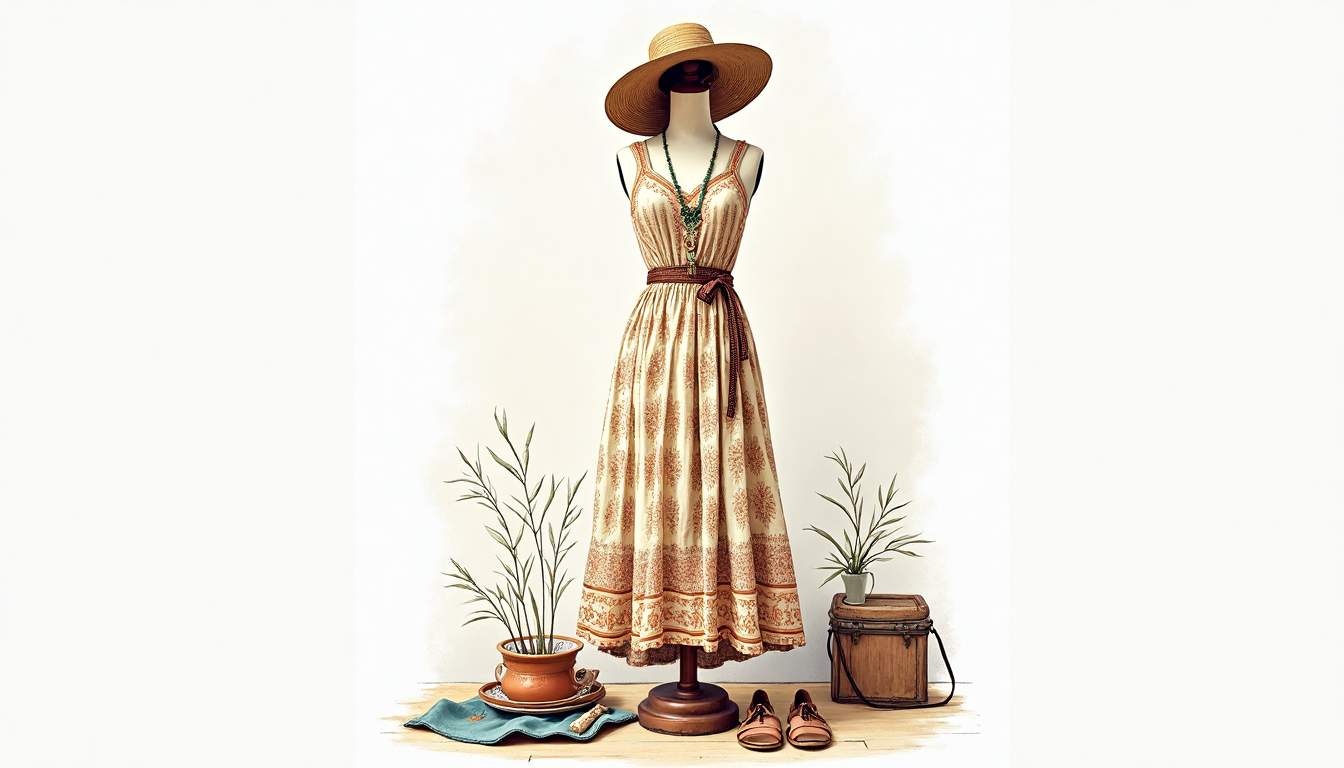
Shoes set the tone: gladiator sandals or espadrilles enhance the relaxed, bohemian side of block prints, while strappy heels or pointed flats elevate the look for more formal occasions. For evenings out, metallic accessories—gold hoops, a cuff bracelet, or a statement clutch—bring polish. Hats, especially wide-brimmed straw styles, complement daytime outings, while a simple scarf or lightweight shawl can add color and warmth in transitional weather.
Mixing Prints and Layering
Block prints can be mixed with other patterns if done thoughtfully. The key is to vary scale and maintain a consistent color thread. Pairing a block print maxi with a striped blazer or a polka-dot scarf works when colors harmonize and the scales differ—small stripes with a larger block motif, for instance. Florals and geometric prints can coexist if one remains subdued while the other stands out.
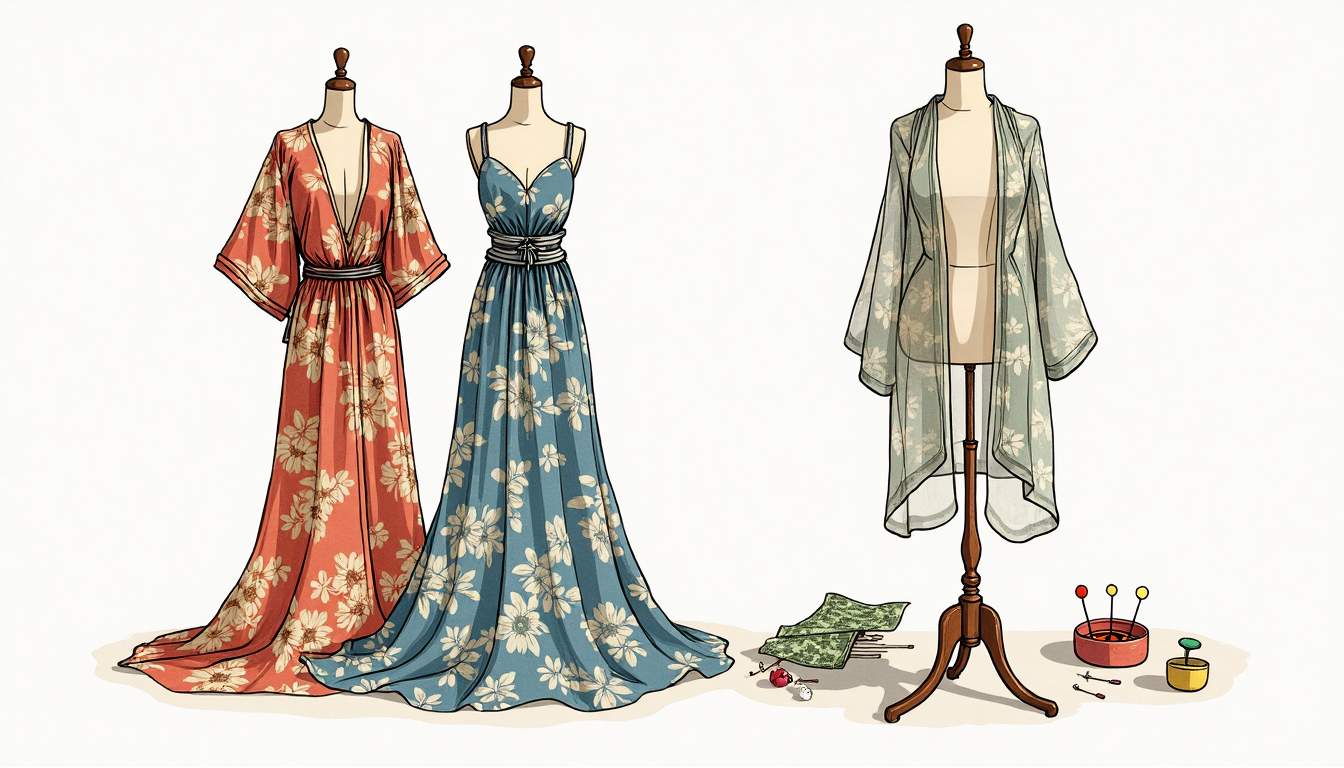
Layering offers creative possibilities. A cropped denim jacket softens a flowing maxi and adds casual structure, while a lightweight knit or cardigan introduces texture and depth. For cooler weather, a fitted turtleneck worn beneath a sleeveless maxi offers a modern, fashion-forward approach. The goal is to let the block print remain the focal point while using layers to adapt the dress to different temperatures and occasions.
Care and Longevity
Proper care preserves both the vibrancy of block prints and the longevity of the fabric. Gentle washing—preferably by hand or on a delicate machine cycle in cold water—helps maintain color and prevent shrinkage. Use mild detergents and avoid bleaching agents that can strip dyes. When air drying, lay the dress flat or hang it away from direct sunlight to prevent fading.
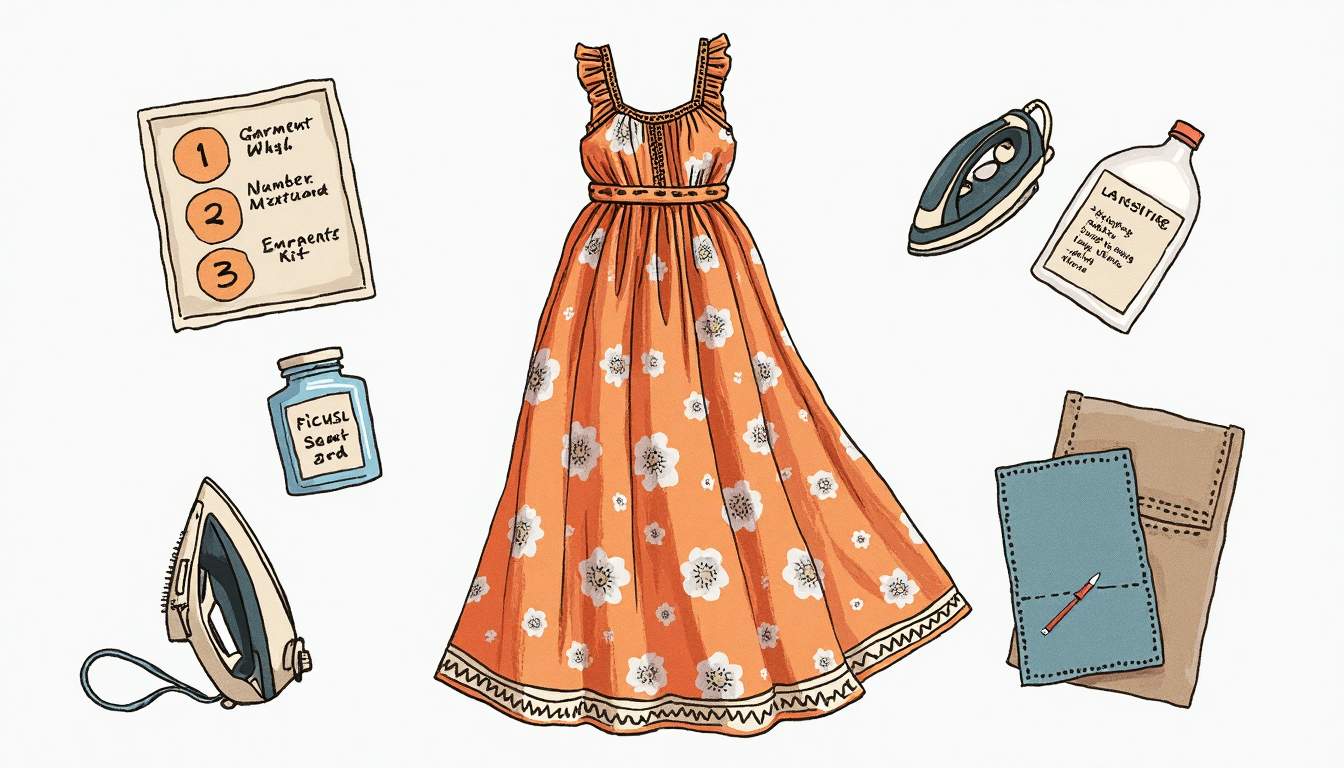
Ironing should be done with care, often on the reverse side or through a pressing cloth to avoid crushing the print’s texture. For natural fibers, a bit of starch can refresh the garment’s structure, while delicate blends may benefit from steaming to remove wrinkles gently. Storing the dress in a cool, dry place and rotating wear helps prevent overuse and preserves the artisan-made aspects that make block print garments special.
Ethical and Sustainable Considerations
Choosing block print maxi dresses made by reputable artisans and brands supports fair labor and preserves traditional techniques. Look for certification or transparent production stories that detail where the fabric was printed and sewn. Small-scale artisans often rely on these sales, and buying from responsible sources helps sustain their craft. Additionally, secondhand and vintage block print maxis can be excellent finds—allowing unique prints to be loved for another season while minimizing environmental impact.
When evaluating a purchase, consider the garment’s lifecycle: quality construction, repairability, and versatility contribute to long-term value. Investing in a well-made block print maxi that can be styled in multiple ways and cared for responsibly often proves more sustainable than frequent, impulsive shopping. The result is a wardrobe staple that blends beauty, tradition, and conscientious consumption.
Final Notes on Wearing Block Print Maxis
Block print maxi dresses bridge past and present, offering a wearable form of textile art. They suit a spectrum of occasions and can be adapted through accessories, layering, and styling choices. With attention to fabric, silhouette, and care, these dresses become more than seasonal pieces—they become enduring favorites that reflect a love of craft and a commitment to mindful style.