Electrical safety is a critical aspect of maintaining any home or commercial building. Over time, electrical systems can degrade, become outdated, or fail to meet modern safety standards, posing significant risks such as electrical fires, shocks, or equipment failure. Conducting regular electrical safety checks and considering switchboard upgrades are essential steps to ensure the safety and efficiency of your electrical system. This article explores why these checks are necessary, what they involve, and how upgrading your switchboard can protect your property and loved ones.
Understanding Electrical Safety Checks
What Are Electrical Safety Checks?
Electrical safety checks are comprehensive inspections conducted by qualified electricians to assess the condition of your electrical system. These checks identify potential hazards, faulty wiring, outdated components, and compliance issues with current electrical standards. The goal is to detect problems before they escalate into dangerous situations.
During an electrical safety check, various parts of your electrical installation are examined, including wiring, outlets, switches, circuit breakers, and the switchboard. The electrician will also test the system’s grounding and earthing, ensuring that all safety mechanisms work correctly. This thorough evaluation often includes the use of specialized tools and technologies, such as thermal imaging cameras, which can detect hotspots in wiring that may not be visible to the naked eye. By employing these advanced techniques, electricians can pinpoint issues that might otherwise go unnoticed, ensuring a more comprehensive assessment of your electrical safety.
Why Are Electrical Safety Checks Important?
Electrical faults are a leading cause of house fires and serious injuries. Many older properties have electrical systems that were installed decades ago and may not be equipped to handle today’s electrical demands. Regular safety checks help to:
- Prevent electrical fires by identifying overheating wires or faulty connections.
- Reduce the risk of electric shock by ensuring all components are properly insulated and grounded.
- Improve electrical efficiency, potentially lowering energy bills.
- Ensure compliance with current electrical regulations and standards.
- Provide peace of mind knowing your electrical system is safe.
Moreover, electrical safety checks can also enhance the longevity of your electrical system. By addressing minor issues promptly, you can avoid more significant repairs or replacements down the line. This proactive approach not only saves money but also contributes to a more sustainable living environment. Additionally, for homeowners looking to sell their property, having a recent electrical safety check can be a valuable selling point, demonstrating to potential buyers that the home is well-maintained and safe. To learn more or book a service, you can visit PS Handyman Singapore.
How Often Should Electrical Safety Checks Be Conducted?
The frequency of electrical safety checks depends on several factors, including the age of the property, the condition of the electrical system, and local regulations. Generally, it is recommended to have a professional inspection every 3 to 5 years for residential properties. For commercial buildings, inspections may be required more frequently due to higher usage and stricter safety standards.
Additionally, an electrical safety check should be performed if you notice signs of electrical problems such as flickering lights, frequent circuit breaker trips, burning smells, or damaged outlets. It’s crucial to take these warning signs seriously, as they can indicate underlying issues that may pose significant risks. In some cases, even minor renovations or the addition of new electrical appliances can necessitate an immediate safety check to ensure that your system can handle the increased load without compromising safety.
Common Issues Found During Electrical Safety Checks
Outdated Wiring and Components
Older homes often have wiring systems that were installed before modern safety regulations were established. Materials like knob-and-tube wiring or aluminum wiring can deteriorate over time or pose fire hazards. During safety checks, electricians look for signs of wear, corrosion, or outdated wiring that may need replacement to meet current safety standards.
Faulty Circuit Breakers and Fuses
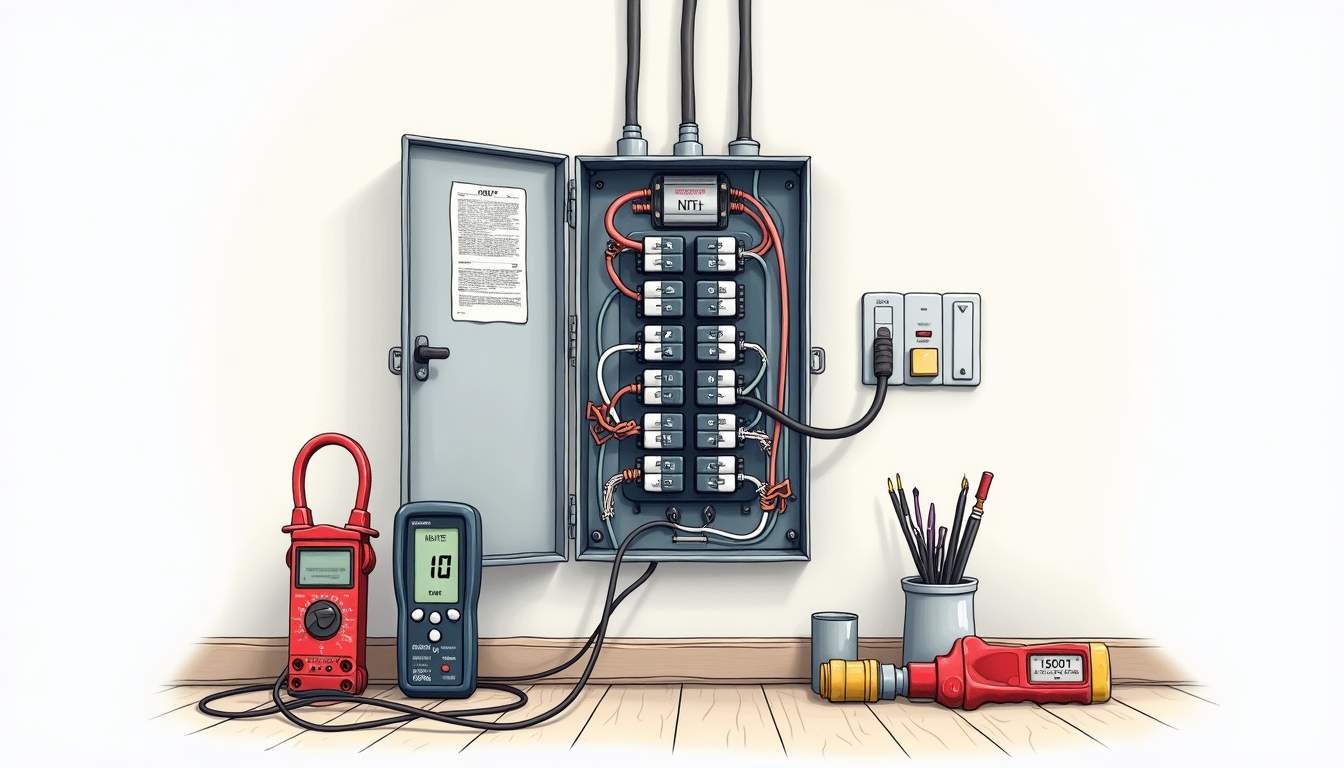
Circuit breakers and fuses protect your electrical system by interrupting power flow during overloads or short circuits. Faulty breakers may fail to trip when necessary, increasing the risk of fire or equipment damage. Safety checks include testing breakers and fuses to ensure they operate correctly and replacing any that are defective or obsolete.
Improper Grounding and Earthing
Proper grounding is crucial for electrical safety, as it provides a safe path for fault currents to dissipate. Poor grounding can lead to electric shock hazards and equipment malfunction. Electricians verify that grounding systems comply with regulations and are functioning as intended during safety inspections.
Overloaded Circuits and Poor Load Distribution
Modern households and businesses use more electrical devices than ever before, often leading to overloaded circuits. Overloads cause overheating and increase fire risk. Electrical safety checks assess load distribution and may recommend circuit upgrades or additional circuits to balance the electrical demand safely.
Damaged or Loose Wiring Connections
Loose or damaged wiring connections can generate heat and sparks, creating fire hazards. These issues may develop due to vibrations, aging, or improper installation. An electrician will inspect all wiring connections, tightening or replacing them as necessary.
Switchboard Upgrades: Why and When Are They Necessary?
What Is a Switchboard?
A switchboard, also known as a distribution board or electrical panel, is the central hub where electricity enters a building and is distributed to various circuits. It houses circuit breakers or fuses that protect each circuit. The switchboard plays a vital role in electrical safety by preventing overloads and isolating faults.
Signs You Need a Switchboard Upgrade
Many older properties still have switchboards installed decades ago, which may no longer be suitable for modern electrical loads or safety requirements. Some signs that indicate the need for a switchboard upgrade include:
- Frequent circuit breaker trips or blown fuses.
- Use of outdated fuse boxes instead of modern circuit breakers.
- Switchboard showing signs of damage, rust, or overheating.
- Inability to accommodate additional circuits for new appliances or renovations.
- Switchboard components that do not meet current safety standards.
- Use of unsafe components such as rewireable fuses or non-compliant breakers.
Benefits of Upgrading Your Switchboard
Upgrading your switchboard offers numerous advantages beyond just compliance with safety codes. These include:
- Enhanced Safety: Modern switchboards have improved safety features, such as residual current devices (RCDs) that quickly cut power in the event of earth faults, reducing shock risks.
- Increased Capacity: New switchboards can handle higher electrical loads, accommodating more circuits and modern appliances without overloading.
- Improved Reliability: Upgraded components reduce the likelihood of electrical faults and power interruptions.
- Future-Proofing: A modern switchboard can be designed to support future expansions, such as solar power integration or electric vehicle charging stations.
- Compliance: Ensures your electrical system meets current regulations, which is essential for insurance and resale purposes.
What Does a Switchboard Upgrade Involve?
A switchboard upgrade typically involves replacing the existing panel with a new one that meets current safety standards. This process includes:
- Removing the old switchboard and safely disconnecting circuits.
- Installing a new switchboard with modern circuit breakers and safety devices.
- Rewiring circuits as needed to ensure proper connections and load distribution.
- Testing the new system thoroughly to confirm safety and functionality.
It is essential that switchboard upgrades are performed by licensed electricians to ensure compliance with electrical codes and safety practices.
Integrating Electrical Safety Checks with Switchboard Upgrades
The Importance of a Holistic Approach
Electrical safety checks and switchboard upgrades are closely related. Often, a comprehensive safety inspection will reveal the need for a switchboard upgrade. Combining these services ensures that all aspects of your electrical system are safe and efficient.
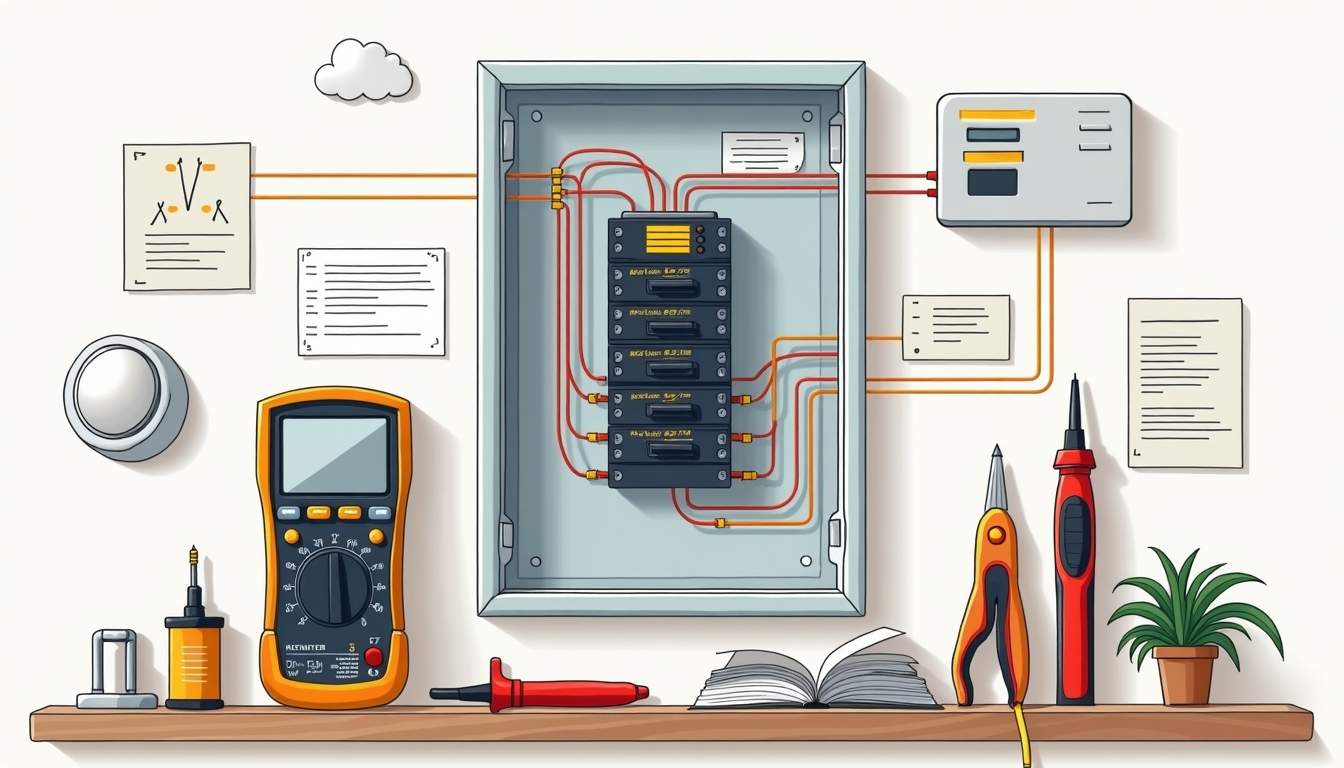
During a safety check, an electrician can assess whether your switchboard is adequate for your current and future needs. If an upgrade is necessary, it can be scheduled promptly, minimizing the risk of electrical hazards.
Planning for the Upgrade
Before proceeding with a switchboard upgrade, careful planning is essential. This includes:
- Assessing current electrical loads and future requirements.
- Choosing a switchboard with sufficient capacity and safety features.
- Scheduling the upgrade at a convenient time to minimize disruption.
- Ensuring all necessary permits and inspections are arranged.
Consulting with a professional electrician will help tailor the upgrade to your specific needs and budget.
Maintaining Electrical Safety After Upgrades
Regular Inspections and Maintenance
Even after upgrading your switchboard and conducting safety checks, ongoing maintenance is crucial. Regular inspections help identify any emerging issues early, such as wear and tear or accidental damage. Maintenance tasks may include tightening connections, testing safety devices, and cleaning components.
Safe Electrical Practices
Maintaining electrical safety also involves adopting safe practices, such as:
- Avoiding overloading power points and extension cords.
- Using electrical appliances according to manufacturer instructions.
- Keeping electrical equipment away from water or damp areas.
- Promptly addressing any signs of electrical faults, such as flickering lights or unusual smells.
Upgrading Electrical Appliances and Systems
As technology advances, consider upgrading appliances and systems to energy-efficient and safer models. Smart home systems, surge protectors, and energy management devices can enhance safety and reduce energy consumption.
Conclusion
Electrical safety checks and switchboard upgrades are fundamental to protecting your property and ensuring the well-being of occupants. Regular inspections help detect and rectify hazards before they cause harm, while upgrading your switchboard modernizes your electrical system to meet today’s demands and safety standards.
Engaging qualified electricians to perform these services is essential for compliance and peace of mind. By investing in electrical safety, you safeguard your home or business against potential risks and enjoy the benefits of a reliable, efficient electrical system for years to come.