When planning an insulation project for a home or building, the first major decision is who will handle the job. You may be weighing two options: hire a general contractor who manages multiple trades or go straight to a dedicated insulation company that specializes in insulation work. The difference between these two choices goes beyond just pricing or convenience. It directly affects the quality of materials, energy efficiency, and the overall performance of your insulation system.
A general contractor often oversees a broad range of tasks—framing, roofing, plumbing, and more. In insulation-related work, they usually outsource the job to a subcontractor, which can lead to inconsistencies in quality. On the other hand, a dedicated insulation company provides focused services through in-house, trained specialists. These professionals are well-versed in spray foam insulation solutions and use performance-tested materials that align with the building’s energy goals. This article breaks down the roles, benefits, limitations, and decision-making factors in choosing between the two. It will also help you better understand how each option aligns with insulation needs for residential and commercial projects.
Key Differences Between General Contractors and Insulation Companies
Choosing the right spray foam insulation for your home directly affects the energy performance, indoor comfort, and long-term efficiency. A general contractor serves as a project manager and may handle many areas of construction, but insulation isn’t usually their specialty. In contrast, a dedicated insulation company focuses solely on insulation systems, with trained technicians who handle everything from product selection to precise application.
Feature | General Contractor | Dedicated Insulation Company |
|---|---|---|
Main Role | Manages full construction or remodel projects | Specializes only in insulation work |
Insulation Expertise | Limited understanding, outsources insulation | Deep knowledge of insulation systems and materials |
Materials Used | Basic options like fiberglass or batt insulation | Offers high-efficiency spray foam, cellulose, and hybrid solutions |
Project Focus | Coordinates multiple trades | Focuses solely on insulation application and performance |
Workforce | Uses subcontractors for insulation tasks | Uses in-house, certified insulation specialists |
Application Quality | Depends on subcontractor skills | Controlled, high-quality foam application with trained technicians |
Energy Efficiency Knowledge | Basic understanding | Advanced knowledge in energy-conscious insulation and performance foam solutions |
Responsibility for Mistakes | Split between contractor and subcontractors | Full accountability and quality control |
Cost Structure | Typically bundled, not transparent | Clear itemized pricing specific to insulation work |
Follow-Up and Support | Limited or general | Dedicated post-installation inspection and support |
A general contractor may be involved in a large renovation or new construction, but insulation will usually be a small part of their focus. If the goal is long-term energy efficiency or maximizing the effectiveness of spray foam insulation, the depth of knowledge provided by insulation companies cannot be matched.
Understanding Service Scope and Application Control
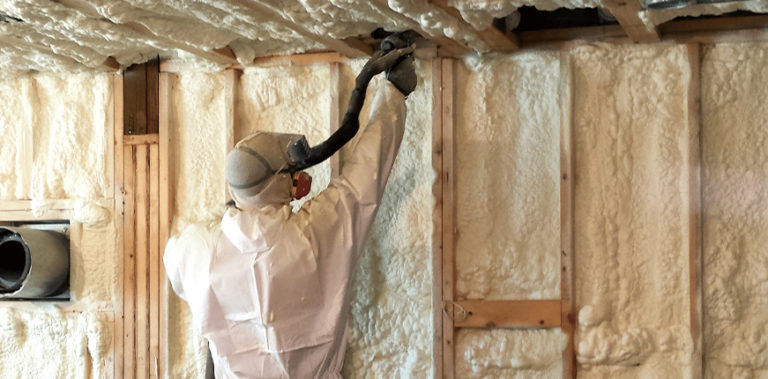
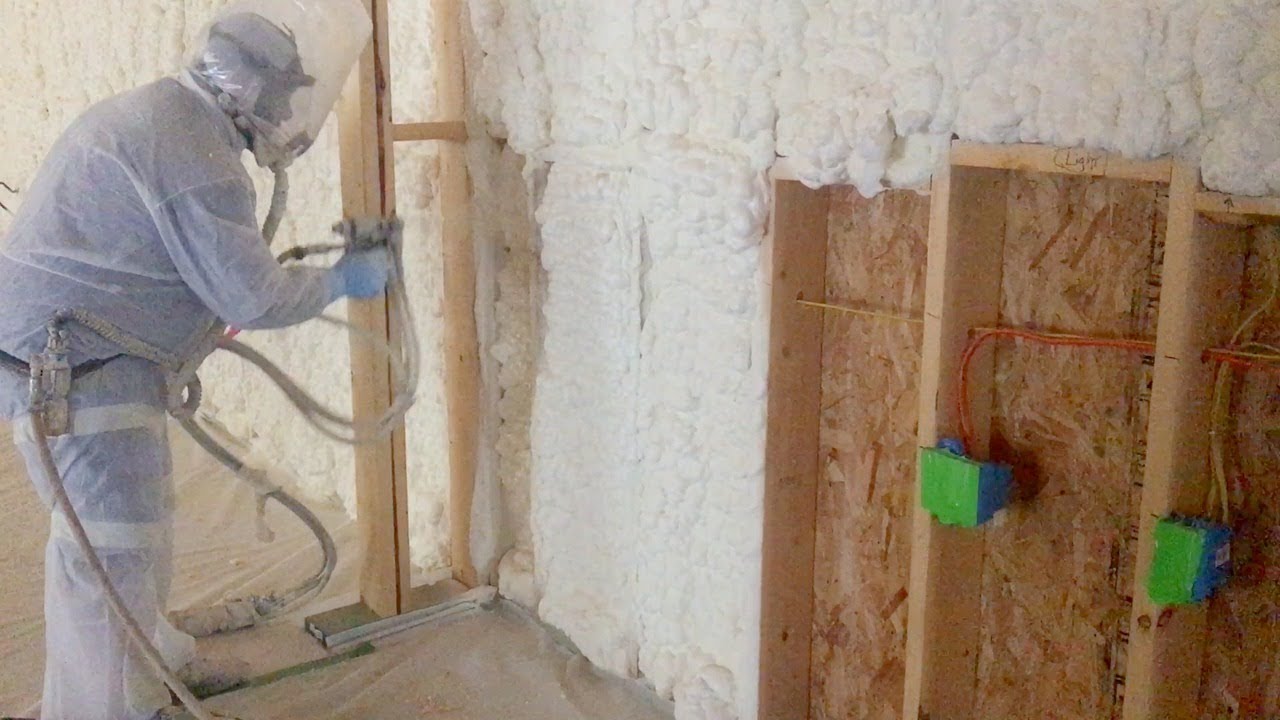
Spray foam insulation is not a plug-and-play product. The application process is technical, and improper installation leads to performance issues like gaps, off-ratio foam, or air leaks. Dedicated insulation companies train their teams on foam mixing temperatures, spray techniques, and curing times. They also understand how building envelopes function, enabling them to seal attics, crawlspaces, and walls with maximum thermal efficiency.
In contrast, general contractors depend on third-party installers. This introduces risk. There’s often little oversight of how foam is applied or which brand is used. Product consistency may vary, and without on-site insulation specialists, small errors go unchecked. These mistakes can affect both energy performance and occupant comfort.
Spray foam insulation contractor often complete a diagnostic check before installation. They review air sealing needs, determine moisture exposure zones, and suggest whether open-cell or closed-cell foam is best. General contractors rarely provide this level of pre-work evaluation. Even when they offer foam as an option, it’s often priced as a premium upgrade with limited customization.
Making Decisions Based on Project Type
Every insulation project is different. Understanding your specific needs will help clarify which type of professional to hire.
If you’re building a home from scratch or remodeling an entire structure, a general contractor makes sense. They’ll handle scheduling across trades and may include insulation as part of a larger service package. But if your project is insulation-focused—retrofitting an attic, upgrading wall insulation, or resolving draft issues—working directly with a dedicated insulation company provides better results.
Insulation companies bring years of specific experience. Their teams are trained not just to apply foam but to advise on energy-saving techniques, R-values, and how insulation interacts with HVAC systems. They’re also equipped to suggest the most appropriate foam insulation solutions for difficult areas like rim joists or vaulted ceilings.
Additionally, these professionals are familiar with local building codes, climate considerations, and ventilation strategies. Their expertise in building science directly benefits homeowners seeking comfort, moisture control, and savings on utility costs.
Bonus Tip: Always check that the insulation company uses trusted spray foam brands. Quality foam ensures stable R-values over time and better resistance to moisture intrusion and thermal drift.
How Each Option Handles Cost, Quality, and Accountability
One major area where dedicated insulation companies outperform general contractors is in pricing transparency. A general contractor usually provides an overall estimate for the entire project. Insulation is bundled into this total, making it difficult to know how much you’re actually paying for insulation materials and labor. This limits your ability to compare options.
By contrast, an insulation company breaks down costs clearly—by square footage, material type, and labor. They will also include prep work, safety protocols, and post-installation inspections in the quote. This clarity helps customers understand what they’re paying for and what results to expect.
Dedicated insulation teams are also more accountable for their work. Since there’s no subcontractor to deflect responsibility to, any issues that arise—such as foam shrinkage, voids, or poor sealing—are addressed directly by the same team that performed the work. This builds trust and ensures continuity from planning to execution.
Bonus Tip: Look for insulation specialists who also provide digital thermal imaging or blower door testing after the job. These services verify that insulation is working as intended.
Things to Consider Before Making a Decision
Before hiring, consider the following factors:
- Project Type and Scope: Is this part of a major remodel or a standalone insulation upgrade?
- Desired Insulation Material: Are you looking for spray foam, cellulose, or a traditional material?
- Energy Efficiency Goals: Are you trying to lower energy bills or improve indoor air quality?
- Budget and Transparency: Do you want itemized costs or a general quote?
- Local Expertise: Does the provider understand insulation needs in your region or climate?
You should also assess who will be responsible if problems come up later. With general contractors, insulation issues may be blamed on subcontractors, causing delays in corrections. A professional insulation company offers direct communication, accountability, and fast response times.
Common Questions About Choosing Between These Services
What happens if the insulation isn’t installed properly?
If insulation is applied incorrectly, gaps, air leaks, or inconsistent coverage can reduce performance. Dedicated insulation experts conduct post-application reviews to ensure thorough sealing, something most general contractors do not do.
Do insulation companies provide moisture control advice?
Yes. Insulation specialists evaluate moisture zones and vapor barriers, especially in basements and crawlspaces, to reduce the risk of mold or rot. General contractors may overlook this.
Can insulation professionals advise on HVAC compatibility?
Insulation affects airflow and room pressurization. Dedicated insulation teams can advise whether your current HVAC system will still perform efficiently post-insulation. General contractors typically won’t handle this analysis.
Is spray foam always better than traditional insulation?
Spray foam isn’t always the best solution. Insulation consultants assess your building envelope and goals before recommending materials. In some cases, cellulose or hybrid solutions work better depending on structure type and budget.
Should I ask about certifications?
Yes. Certified insulation experts follow industry protocols for safety and performance. Look for installers trained by national programs or manufacturers. Always ask for proof of training and insurance.
FAQ
What’s the main advantage of using an insulation company instead of a general contractor? Insulation companies focus solely on insulation, offering better application quality, material selection, and performance monitoring.
Will an insulation company coordinate with other trades during my remodel? Yes. While they don’t manage the full remodel, many insulation teams work in coordination with builders or contractors to ensure smooth scheduling.
How can I verify the quality of the foam being used? Ask for product data sheets and manufacturer information. Reputable companies use well-known brands with third-party test data.
Is the work messier with a general contractor’s team? Spray foam can be messy if not properly contained. Dedicated insulation teams are trained to protect your home during application, minimizing cleanup needs.
How soon can I return to my home after spray foam installation? Typically within 24 hours, depending on ventilation. Insulation professionals will advise based on the type of foam and house ventilation.
Final Takeaway
The difference between a general contractor and a dedicated insulation company may not seem important at first, but it becomes clear in the results. Whether it’s the quality of application, energy savings over time, or the ability to customize a solution that fits your exact needs, insulation professionals bring more value when insulation is the core goal. Evaluate the experience, tools, and long-term accountability offered by both choices before making your decision.
Ready to Achieve Long-Term Energy Efficiency?
Apply these insights now: Schedule your foam insulation evaluation with Spray Foam Tech, where you can consult directly with insulation advisors and residential foam insulation pros to design the right solution for your home or project.
Contact Information: Company Name: Spray Foam Tech Phone: (737) 777-9590 Email: [email protected]
Reviewer: Maria Lopez reviewed the article and brought 12 years of insulation industry experience to improve the guidance. Practical tips were added, and the content was made clearer and more useful for contractors working in the field every day.