Insulating your crawl space is one of the most effective ways to prevent mold growth and long-term moisture damage. These areas often collect damp air, especially in climates with high humidity or poor drainage, creating conditions that support wood rot, musty odors, and structural deterioration. Poorly insulated or vented crawl spaces are frequently the source of recurring mold problems in homes.
This guide outlines proper crawl space insulation service that directly reduce moisture and mold risks. From vapor barriers to air sealing and selecting the right insulation materials, this article walks through practical strategies that enhance indoor air quality and protect structural integrity. Homeowners and contractors will find detailed insights supported by building science and best practices.
Why Crawl Spaces Accumulate Moisture
Crawl spaces are naturally vulnerable to moisture buildup because they sit beneath living spaces and are often exposed to unconditioned outside air. The combination of cool surfaces and warm, humid air creates condensation points, especially on metal ductwork or rim joists.
Sources of Moisture in Crawl Spaces
Understanding where the moisture originates is the first step in prevention:
- Ground moisture rising through exposed soil or gravel.
- Exterior air infiltration through vents or rim joist gaps.
- Plumbing leaks or HVAC condensation lines running through the crawl space.
- Capillary action drawing moisture through porous concrete block walls.
This constant dampness feeds mold spores and damages insulation if not addressed with a comprehensive approach.

Choosing the Right Crawl Space Insulation Material
The choice of insulation directly affects how well the crawl space resists moisture and mold. Not all materials are suitable for damp environments.
Comparing Insulation Types for Crawl Spaces
Below is a quick comparison of commonly used insulation types in crawl space applications:
Material | Moisture Resistance | Use Case | Risk of Mold Growth |
|---|---|---|---|
Fiberglass Batts | Low | Between floor joists in dry spaces | High if exposed to moisture |
Rigid Foam Board (XPS/EPS) | Moderate to High | Wall insulation, thermal barrier | Low with sealed seams |
Closed-Cell Spray Foam | High | Rim joists, foundation walls | Very low; acts as vapor barrier |
Open-Cell Spray Foam | Low to Moderate | Subfloor or conditioned crawl spaces | Moderate; not ideal for damp locations |
Closed-Cell Spray Foam for Maximum Protection
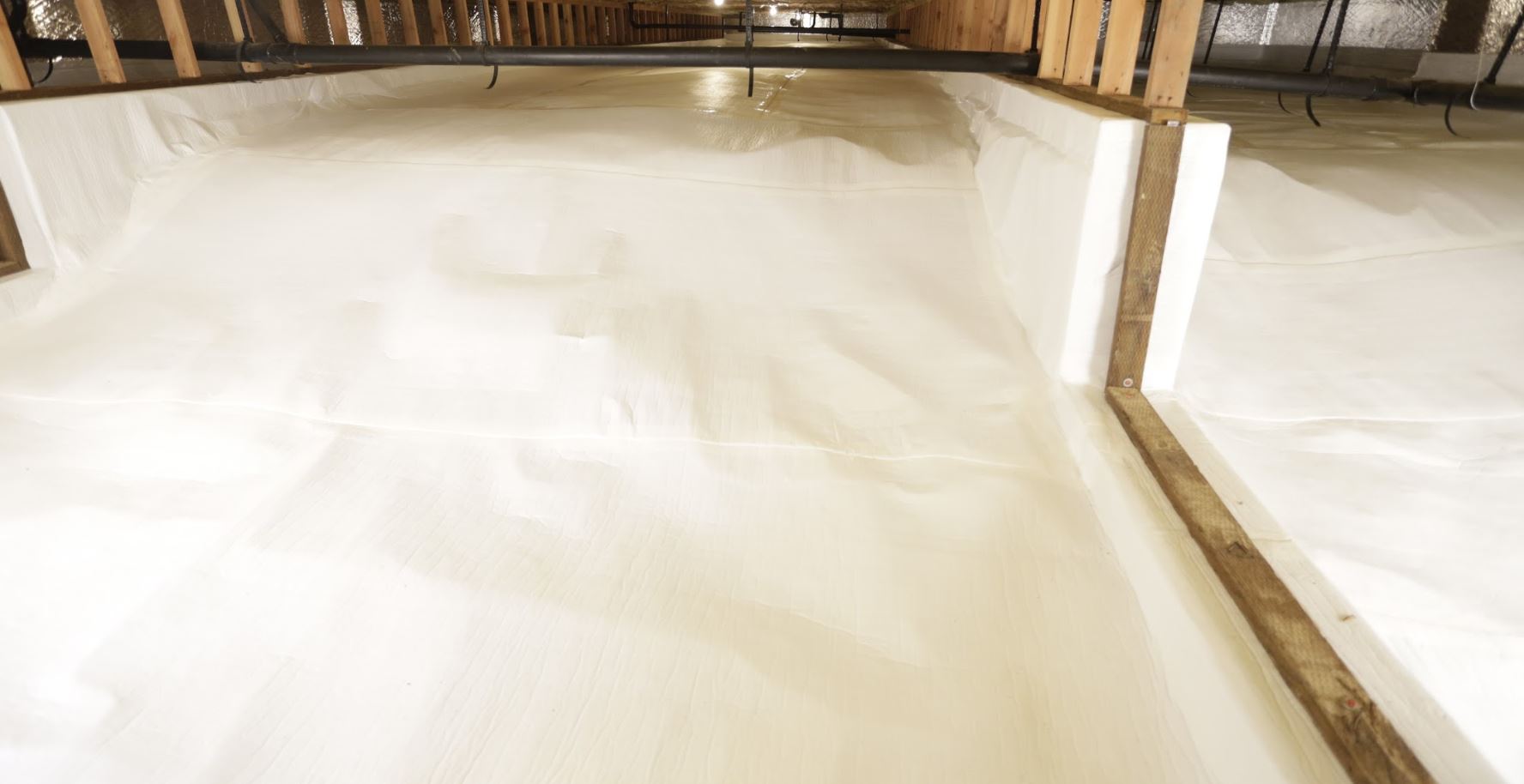
Closed-cell spray foam insulation is often recommended for damp crawl spaces because of its ability to resist water and act as both an air and vapor barrier. It forms a solid, impermeable surface that blocks moisture intrusion while increasing structural rigidity.
Installing Vapor Barriers and Encapsulation
Insulation alone won’t stop moisture if ground vapor continues to rise unchecked. Sealing the crawl space with a vapor barrier is a critical part of a moisture control system.
Benefits of Full Crawl Space Encapsulation
Encapsulation turns a vented, damp crawl space into a dry, semi-conditioned space:
- Reduces ground moisture transmission by covering soil with a thick polyethylene vapor barrier.
- Prevents humid outdoor air from entering the crawl space through vents or rim joists.
- Improves insulation performance by keeping the air dry and stable.
Installing the vapor barrier across the floor and partially up the walls, with all seams taped or sealed, drastically lowers relative humidity levels and supports mold prevention.
Air Sealing and Rim Joist Insulation
Many crawl spaces allow unfiltered outside air to enter through rim joists, gaps, and penetrations—especially in older homes.
Sealing Entry Points Prevents Moisture-Laden Air Infiltration
Rim joists are notorious for air leakage and condensation buildup:
- Use of professional closed-cell spray foam or rigid foam board with sealed edges to insulate and air seal rim joists.
- Seal plumbing and wiring penetrations using caulk, expanding foam, or gaskets to prevent moisture ingress.
- Insulate foundation walls with rigid foam rather than the subfloor, which is more prone to thermal bridging and humidity traps.
Addressing air leaks before installing insulation ensures better moisture control and thermal performance.
Mistakes That Lead to Mold in Crawl Spaces
Even well-intentioned insulation projects can cause moisture problems if not done correctly.
Common Crawl Space Insulation Errors
- Using fiberglass batts in damp environments – Once wet, fiberglass retains moisture and fosters mold.
- Skipping the vapor barrier – Ground moisture continues to rise, rendering insulation less effective.
- Blocking vent airflow without sealing – Traps moist air inside, especially in humid climates.
- Insulating subfloor only – Neglecting walls and rim joists allows cold air and condensation near ductwork and pipes.
Correcting these issues often requires removing damaged materials and re-insulating with better moisture-resistant options.
Monitoring Crawl Space Humidity Over Time
Installing insulation and vapor barriers is just the beginning. Ongoing monitoring ensures conditions remain mold-free.
Use of Humidity Sensors and Passive Vents
- Install digital humidity sensors in the crawl space to keep readings below 60% relative humidity.
- In non-encapsulated spaces, passive vents or dehumidifiers help maintain airflow and manage trapped moisture.
- Check annually for signs of insulation degradation, water stains, or musty smells.
Homeowners should also inspect the crawl space after heavy rains or plumbing issues to confirm the moisture control systems are working.
Common Questions
What insulation should not be used in crawl spaces?
Avoid using fiberglass insulation in vented or damp crawl spaces. It absorbs moisture easily, loses R-value, and becomes a breeding ground for mold and pests.
Should I insulate crawl space walls or subfloor?
In most cases, insulating the crawl space walls provides better moisture and thermal control, especially when combined with vapor barriers and air sealing. Subfloor insulation can trap moisture if not managed properly.
How thick should the vapor barrier be in crawl spaces?
Use a minimum 6-mil polyethylene barrier, though many contractors recommend 10–20 mil for long-term durability and puncture resistance. Ensure seams are overlapped and sealed.
Can mold still form after insulating a crawl space?
Yes, if the crawl space isn’t sealed and ventilated correctly, moisture can still accumulate, leading to mold growth. Proper encapsulation and humidity monitoring are essential.
Conclusion
Moisture and mold problems in crawl spaces are preventable when insulation is paired with air sealing and vapor control strategies. Using materials like closed-cell spray foam, installing a high-quality crawl space vapor barrier, and sealing rim joists effectively protect against humidity buildup.
Maintaining a dry, insulated crawl space and contacting an expert spray foam contractor supports a healthier home environment and preserves the value of the property. Regular inspections, combined with smart material choices, reduce the risk of structural damage and improve indoor air quality year-round.
FAQs
What is the best insulation for mold-prone crawl spaces? Closed-cell spray foam is the most reliable option. It resists moisture, seals air leaks, and doesn’t support mold growth.
Do all crawl spaces need a vapor barrier? Yes. Vapor barriers are necessary to block ground moisture, especially in humid regions or homes with exposed crawl space floors.
Is crawl space encapsulation better than ventilation? Encapsulation is more effective in moisture control. Ventilation allows humid outdoor air in, which can lead to condensation and mold if not balanced properly.
Can I insulate a crawl space without removing the old insulation? It’s not recommended. Wet or sagging insulation should be removed to avoid trapping moisture, which leads to rot and mold.
How do I know if my crawl space insulation is working? Check for consistent indoor temperatures, no musty odors, and humidity levels below 60%. Use a hygrometer to track moisture levels over time.
Author: Daniel Walker, owner of Colony Insulation and Spray Foam Magazine’s 2024 Contractor of the Year, leads with over two decades of experience in the insulation industry. Passionate about energy efficiency and customer satisfaction, Daniel is dedicated to delivering high-performance insulation solutions across Michigan with precision and care.
Reviewer: Jennifer Morales, a seasoned insulation consultant with over 8 years of industry experience, specializes in residential and commercial energy solutions. Known for her practical insights and quality-first approach, Jennifer ensures all content reflects real-world expertise and up-to-date best practices.