
Chocolate is a beloved treat for many people, but for dogs it can be dangerous or even fatal depending on the type and amount consumed. This article explains how chocolate affects dogs, how to estimate risk based on the chocolate type and your dog’s size, what symptoms to watch for, and when to seek veterinary care. Use this guide to make a quick, informed decision if a furry friend has eaten chocolate.
Why chocolate is toxic to dogs
Chocolate contains methylxanthines — primarily theobromine and caffeine — which dogs metabolize much more slowly than humans. These compounds stimulate the central nervous system and the heart, relax smooth muscle, and increase urine production. Because dogs break them down slowly, even small amounts of chocolate can cause elevated levels of these stimulants in the bloodstream, leading to symptoms that range from mild gastrointestinal upset to life-threatening cardiac and neurological complications.
Not all chocolate carries the same risk. The concentration of theobromine and caffeine varies widely by chocolate type. Bakers’ chocolate and dark chocolate have much higher concentrations than milk chocolate or white chocolate (which contains very little theobromine). Four Dog Paws offers a handy dog chocolate toxicity calculator to help pet owners quickly determine potential danger. Understanding the type and amount of chocolate ingested and the dog’s body weight are key to assessing the severity of exposure.
Types of chocolate and their theobromine content
Different chocolate products contain different amounts of methylxanthines. These values are general estimates and can vary between brands, but they provide a useful framework for risk calculation.

- White chocolate: negligible theobromine (very low risk in small quantities, but still high fat and sugar)
- Milk chocolate: approximately 1–2 mg theobromine per gram
- Dark chocolate: approximately 5–16 mg theobromine per gram
- Bakers’ or unsweetened chocolate: approximately 15–26 mg theobromine per gram
- Cocoa powder: highly variable, often 10–50+ mg per gram depending on concentration
These ranges are broad because formulations differ. For example, a 70% cocoa dark chocolate bar will have much more theobromine than a 45% bar. When possible, check packaging for cocoa percentage or ingredient labels to refine the estimate.
Quick reference examples
Examples of theobromine concentration help visualize risk: a typical milk chocolate bar (about 43 grams) might contain 50–90 mg of theobromine, while a small piece of bakers’ chocolate (around 10 grams) can contain 150–260 mg. Cocoa powder used in baking can be particularly concentrated: just a tablespoon can contain tens of milligrams.
Estimating risk: how to calculate the dose
Calculating the approximate theobromine dose a dog received requires three pieces of information: the type of chocolate, the amount ingested, and the dog’s body weight. Once those are known, multiply the grams of chocolate by the theobromine concentration for that chocolate type to get the total milligrams of theobromine. Then divide by the dog’s weight in kilograms to determine mg/kg, which correlates to clinical effect.
General toxicity thresholds (approximate):
- Less than 20 mg/kg: typically mild signs (vomiting, diarrhea) or no signs in many dogs
- 20–40 mg/kg: moderate toxicity (restlessness, hyperactivity, tremors, increased heart rate)
- 40–60 mg/kg: severe toxicity (arrhythmias, seizures, possibly life-threatening)
- Over 60 mg/kg: high risk of serious complications and death
Example calculation
Suppose a 10 kg (22 lb) dog ate 50 grams of dark chocolate estimated at 10 mg theobromine per gram. Total theobromine = 50 g × 10 mg/g = 500 mg. Dose per kg = 500 mg ÷ 10 kg = 50 mg/kg. This falls into the severe toxicity range and warrants immediate veterinary attention.
Signs and symptoms to watch for
Symptoms usually begin within 6–12 hours after ingestion, but sometimes earlier or later depending on how quickly the chocolate was absorbed. Early signs are often gastrointestinal: vomiting, diarrhea, drooling, and loss of appetite. As theobromine and caffeine circulation increases, cardiovascular and neurological signs develop.
Common symptoms include:
- Restlessness, pacing, excessive panting
- Increased heart rate (tachycardia) and abnormal heart rhythms
- Tremors, muscle rigidity, and seizures
- Increased urination (polyuria) and dehydration
- Weakness, collapse
Extreme cases can lead to coma and death, often due to cardiac arrhythmias or severe seizures. Even if initial symptoms appear mild, progression can be sudden, so monitoring and timely veterinary assessment are critical.
When to seek veterinary care
Contact a veterinarian or emergency clinic immediately if:
- The calculated dose is above 20 mg/kg (see previous thresholds)
- The dog shows any of the symptoms listed above
- There is uncertainty about the type or amount of chocolate ingested
If the exposure was recent — within 1–2 hours — and the dog is not yet symptomatic, the veterinarian might induce vomiting or administer activated charcoal to limit absorption. For later presentations or symptomatic dogs, supportive care such as IV fluids, heart monitoring, anti-seizure medications, and other interventions may be necessary.
Practical steps after discovery
If a dog is found with chocolate or there’s witnessed ingestion, follow these steps while arranging veterinary advice:
- Move the dog away from remaining chocolate and gather packaging to determine the type and amount eaten.
- Weigh the dog or estimate its weight as accurately as possible to calculate mg/kg.
- Contact a veterinarian, pet poison helpline, or emergency clinic with the details: chocolate type, amount, and the dog’s weight and symptoms.
- Follow professional guidance — do not induce vomiting or give home remedies without instruction, as some interventions may be contraindicated in certain situations.
- Monitor the dog closely for several hours even if initially asymptomatic; symptoms can be delayed.
Acting quickly increases the chances of a favorable outcome. Tools like this guide help triage the situation, but direct veterinary guidance is essential for treatment decisions tailored to the specific case.
What to tell the vet
When calling, provide clear information: the type of chocolate, the estimated amount consumed (in grams or approximate pieces), the dog’s breed and weight, time since ingestion, and any observed symptoms. If the dog has a history of heart disease, seizure disorders, or is on medications, mention that as well because it affects treatment choices and monitoring.
Treatment options and what to expect at the clinic
Treatment is guided by the severity of symptoms and the estimated dose. For recent ingestions with low to moderate risk, inducing emesis (vomiting) can prevent further absorption, followed by activated charcoal to bind residual theobromine in the gastrointestinal tract. For symptomatic dogs or those with high ingestion doses, hospitalization is often required.
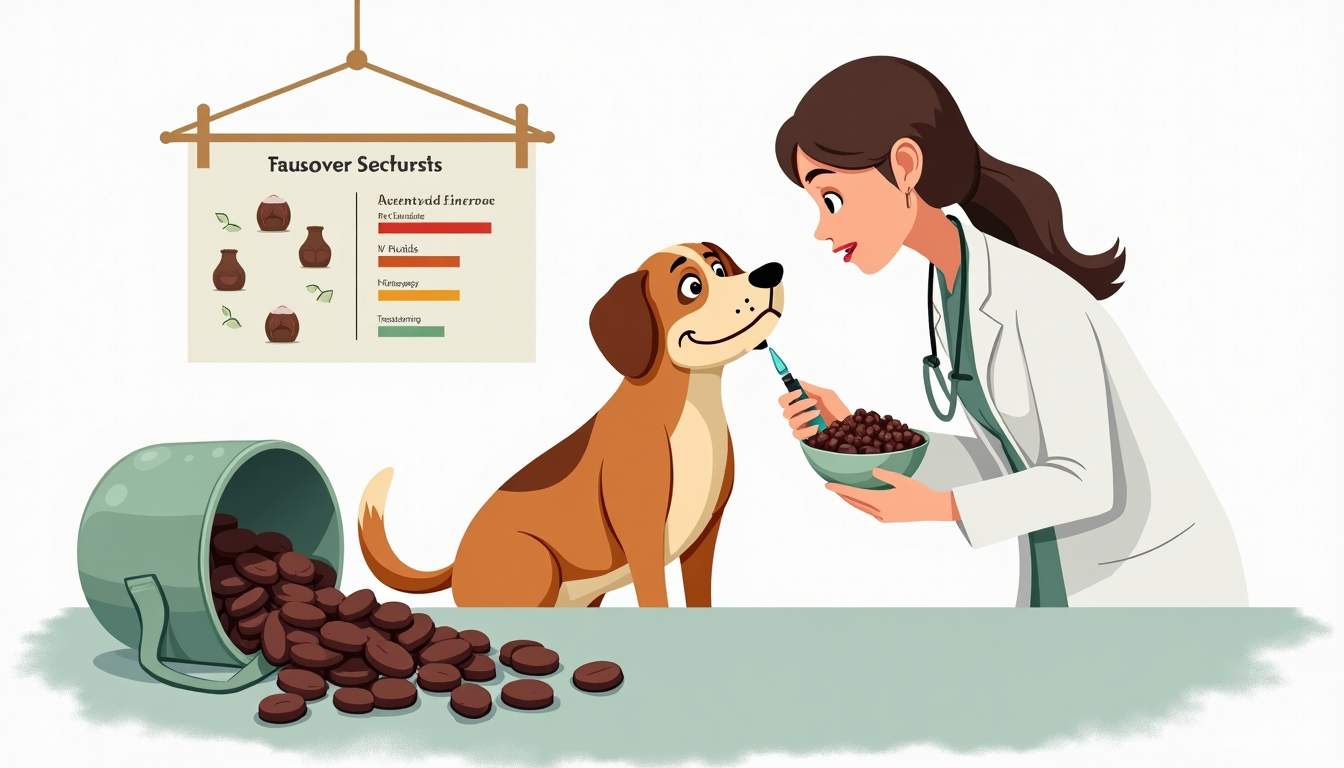
Supportive and advanced care may include:
- Intravenous fluids to correct dehydration and increase excretion of methylxanthines
- Continuous cardiac monitoring and medications to treat arrhythmias
- Anticonvulsants for tremors or seizures
- Sedatives to control severe agitation
- Oxygen therapy or mechanical ventilation in rare, severe respiratory compromise
Recovery time varies. Mild cases might resolve within 24–48 hours, while severe cases can require several days of intensive care. Follow-up with the veterinarian ensures no delayed complications.
Prevention: safe practices at home
Prevention is the best strategy. Store chocolate and baked goods well out of reach — high counters, closed cabinets, or locked storage are ideal. Be mindful during holidays, celebrations, and trick-or-treating when chocolate is more accessible. Keep trash secured, as discarded chocolate or wrappers can attract curious pets.
Educate family members and guests about the danger of feeding human treats to pets. Even small quantities of chocolate, raisins, xylitol-sweetened candies, or foods with nuts can cause harm. Having a plan and emergency contact numbers (vet, 24-hour animal clinic, or poison control) posted or saved in a phone can speed response time in a crisis.
Alternatives and enrichment
Offer dog-safe treats and chews to reduce the temptation for humans to share chocolate. Toys, puzzle feeders, and supervised activity provide enrichment without the risk of toxic foods. For households with children, teach the importance of not giving human food to pets.
Special considerations: puppies, small breeds, and other species
Smaller dogs and puppies are at higher risk because a relatively small amount of chocolate translates to a larger mg/kg dose. For example, a single small chocolate kiss could be negligible for a large breed but significant for a Chihuahua. Always err on the side of caution with small or young animals.

Other species also react differently to methylxanthines. Cats are much less likely to ingest chocolate due to taste preferences, but when they do, they can be sensitive. Rabbits, birds, and other exotic pets have different metabolisms and may experience severe reactions even with tiny amounts.
Final checklist and quick decision flow
Use this quick checklist to decide whether to call a vet:
- Identify the type of chocolate and estimate the amount eaten
- Weigh the dog or estimate weight in kilograms
- Calculate estimated mg/kg (total mg of theobromine divided by kg)
- Compare to toxicity thresholds: under 20 mg/kg may be low risk; over 20 mg/kg should prompt a call
- Always seek veterinary advice if the dog shows symptoms or if there is uncertainty
Remember that this guide provides general guidance but cannot substitute for professional veterinary assessment. When in doubt, calling a veterinarian or emergency clinic immediately is the safest action.
Resources and emergency contacts
Keep local veterinary clinic numbers and a trusted pet poison helpline readily available. Many regions offer 24/7 animal poison control services that can provide real-time advice. In emergencies, transport the dog to the nearest veterinary hospital promptly and bring packaging or samples of the ingested chocolate if possible.
Protecting pets from chocolate poisoning relies on prevention, quick assessment, and fast action. Knowing the signs, calculating the potential dose, and contacting a vet early improves outcomes and reduces the likelihood of serious complications. A calm, informed response is the best tool when a dog has sampled something they shouldn’t have.




