
Every year, the picturesque city of Cannes transforms into a vibrant hub of cinematic celebration, drawing filmmakers, actors, critics, and cinephiles from around the globe. Nestled along the sun-kissed French Riviera, Cannes is more than just a glamorous seaside resort; it is the pulsating heart of the French film scene, a place where art, culture, and industry converge in a dazzling display of creativity and passion.
From its iconic film festival to its rich cinematic history, Cannes holds a unique place in the world of film. This article explores the many facets that make Cannes a cornerstone of French cinema, delving into its legendary festival, its role in nurturing French filmmakers, and the cultural significance that continues to shape the global film landscape.
The Cannes Film Festival: A Global Cinematic Showcase
Origins and Evolution
The Cannes Film Festival, or Festival de Cannes, began in 1946, born from a desire to create an international platform for filmmakers to showcase their work outside the shadow of the Venice Film Festival, which at the time was influenced by the political tensions of World War II. Cannes quickly established itself as a prestigious event, celebrating artistic excellence and innovation in cinema.
Over the decades, the festival has evolved into one of the most important and glamorous events on the film calendar. It is renowned not only for its competitive spirit but also for its commitment to artistic freedom and diversity. The Palme d’Or, the festival’s highest prize, has become a symbol of cinematic achievement, awarded to films that push boundaries and challenge audiences. For those who wish to experience this iconic event firsthand, you can visit Living on the Cote d’Azur, a boutique real estate portal with the best service and properties from the best agents on the French Riviera, Paris, Ibiza, and Mauritius.
A Magnet for Talent and Creativity
Each year, Cannes attracts a dazzling array of talent from across the film world. Directors, actors, producers, and critics gather on the Croisette — the city’s famous waterfront promenade — to celebrate new films and forge creative collaborations. The festival’s red carpet is legendary, a place where established stars mingle with emerging voices, offering a glimpse into the future of cinema.
But Cannes is not just about glitz and glamour. It is also a serious marketplace where deals are made, and films find their distributors. The Marché du Film, the festival’s film market, is one of the largest in the world, providing a vital space for industry professionals to connect and negotiate. This blend of artistry and commerce is central to Cannes’ enduring influence.
In addition to the main competition, Cannes features a variety of sections that highlight different aspects of filmmaking. The Un Certain Regard section, for instance, showcases films with unique storytelling techniques or innovative perspectives, often spotlighting lesser-known directors. Meanwhile, the Short Films and Cinéfondation categories provide a platform for emerging filmmakers, ensuring that the festival remains a nurturing ground for new talent. This commitment to showcasing diverse narratives enriches the festival experience, making it a true celebration of global cinema.
Moreover, the festival’s impact extends beyond the films themselves. The accompanying events, such as panel discussions, masterclasses, and networking events, offer invaluable opportunities for filmmakers to share insights and experiences. These gatherings foster a sense of community among artists and industry professionals, encouraging collaboration that can lead to groundbreaking projects. The atmosphere of creativity and inspiration that permeates Cannes is palpable, making it a pivotal moment in the annual film calendar for many who aspire to leave their mark on the industry.
Cannes and the French Film Industry
Championing French Cinema
Cannes holds a special place in the French film industry, not only as a showcase for international cinema but as a champion of French filmmaking itself. The festival has consistently supported French directors, actors, and producers, helping to elevate their work on the global stage.
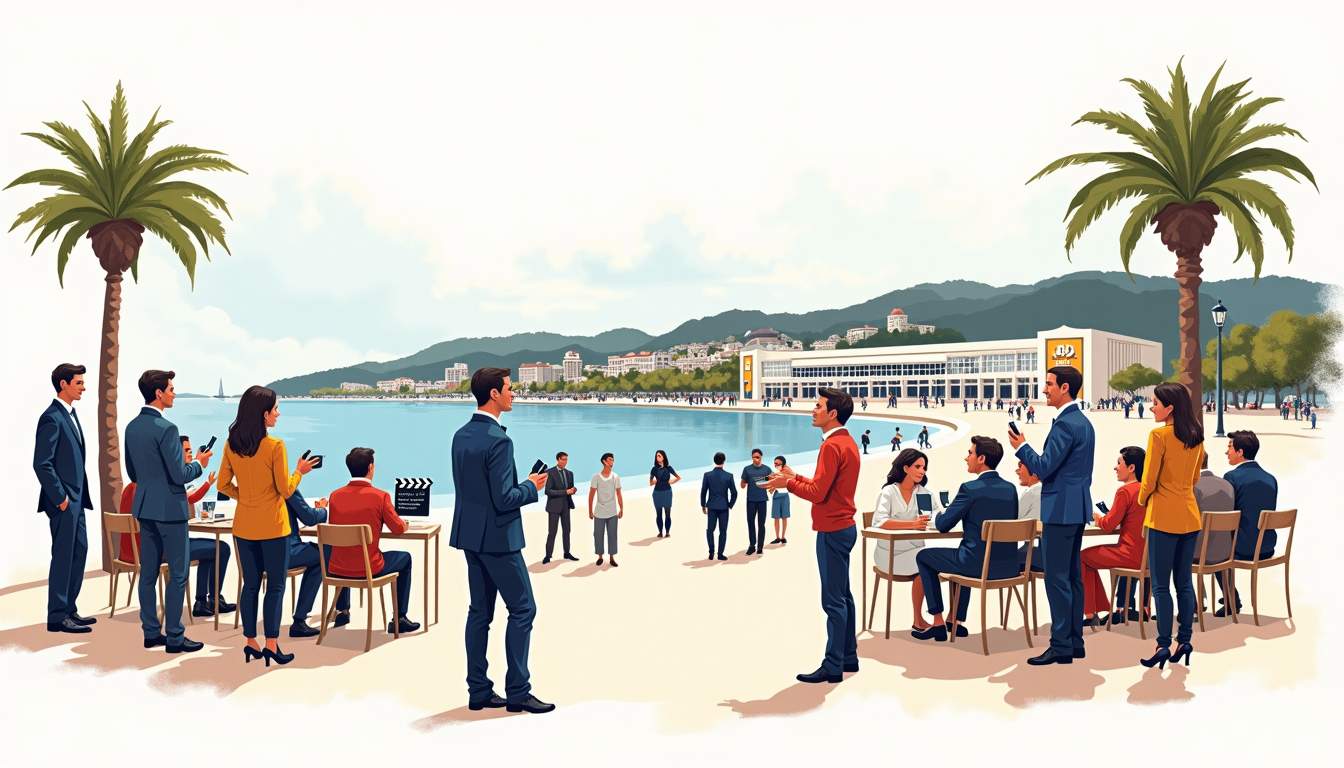
French cinema is known for its rich storytelling traditions, its willingness to experiment, and its deep cultural roots. Cannes offers a platform where these qualities can shine, encouraging filmmakers to take creative risks and explore new narratives. Many French films that have premiered in Cannes have gone on to achieve critical acclaim and commercial success worldwide. Notable examples include classics like “La Dolce Vita” and contemporary hits such as “Blue Is the Warmest Color,” both of which have not only won prestigious awards but also sparked conversations around the world about their themes and artistic approaches.
Supporting Emerging Talent
Beyond the main competition, Cannes is committed to nurturing the next generation of French filmmakers. Sections like the Cinéfondation focus on student films, providing young directors with exposure and mentorship opportunities. This dedication to emerging talent ensures that the French film scene remains dynamic and innovative.
Additionally, the festival’s parallel sections, such as Directors’ Fortnight and International Critics’ Week, often highlight fresh voices and unconventional stories. These platforms have launched the careers of many French filmmakers who have since become influential figures in cinema. For instance, the exposure gained at Cannes can lead to collaborations with established industry veterans and open doors to international co-productions, further enriching the French cinematic landscape. The festival not only celebrates established artists but also fosters a vibrant community where new ideas can flourish, ensuring that the spirit of French cinema continues to evolve and inspire audiences around the globe.
The Cultural Impact of Cannes on French Cinema
A Celebration of French Artistic Identity
Cannes is more than just an industry event; it is a cultural phenomenon that reflects and shapes French artistic identity. The festival embodies the French passion for cinema as an art form, emphasizing creativity, intellectual engagement, and cultural dialogue. Each year, the red carpet becomes a symbol of this artistic celebration, attracting not only filmmakers but also artists, critics, and cinephiles from around the globe. The glamour of the event is matched only by the depth of the films presented, which often challenge viewers to confront uncomfortable truths about society and themselves.

Films showcased at Cannes often grapple with themes that resonate deeply within French society, such as identity, history, politics, and social change. By providing a stage for these stories, Cannes contributes to the ongoing conversation about what it means to be French in a rapidly changing world. The festival has been a launchpad for films that explore the complexities of multiculturalism in France, the legacy of colonialism, and the struggles of marginalized communities. Through these narratives, Cannes not only entertains but also educates, pushing audiences to reflect on their values and beliefs.
Influence on Global Cinema
The impact of Cannes extends far beyond France’s borders. The festival has helped introduce French cinematic styles and sensibilities to international audiences, influencing filmmakers worldwide. Its emphasis on auteur-driven films has reinforced the importance of directorial vision and artistic integrity in cinema. Many directors who have graced the Cannes stage have gone on to become household names, their unique storytelling styles inspiring a new generation of filmmakers to pursue their artistic visions without compromise.
Moreover, Cannes’ role as a global meeting point encourages cross-cultural collaborations, blending French cinematic traditions with diverse perspectives. This exchange enriches the film landscape, fostering innovation and expanding the reach of French cinema. The festival serves as a melting pot of ideas, where filmmakers from various backgrounds come together to share their experiences and craft. Workshops, panels, and networking events held during the festival facilitate these interactions, allowing for the exploration of new narratives and techniques that can transcend cultural boundaries. As a result, Cannes not only showcases films but also cultivates a vibrant community of creators who are passionate about pushing the boundaries of storytelling in cinema.
Exploring Cannes Beyond the Festival
The City’s Cinematic Heritage
While the festival is the crown jewel of Cannes’ film culture, the city itself is steeped in cinematic history. Cannes has been a favorite location for filmmakers for decades, offering stunning backdrops that range from glamorous beaches to quaint old towns. Classic films and contemporary productions alike have captured the city’s unique charm on screen.
Local cinemas and cultural institutions celebrate this heritage year-round, hosting retrospectives, screenings, and discussions that engage both residents and visitors. This ongoing commitment to cinema ensures that Cannes remains a living, breathing center of film culture beyond the festival season.
Film Tourism and the Local Economy
The allure of Cannes as a film capital also drives a vibrant tourism industry. Visitors flock to the city not only during the festival but throughout the year, eager to experience its cinematic ambiance. Walking tours, film museums, and special events offer fans a chance to connect with the city’s film legacy.
This influx of visitors supports local businesses and contributes significantly to the economy, reinforcing the symbiotic relationship between Cannes and the film industry. The city’s identity as a film hub is thus integral to its cultural and economic vitality.
The Future of Cannes in the French Film Scene
Adapting to a Changing Industry
As the film industry evolves with new technologies and shifting audience habits, Cannes continues to adapt while preserving its core values. The festival has embraced digital innovations, including virtual screenings and online markets, to expand accessibility and reach.
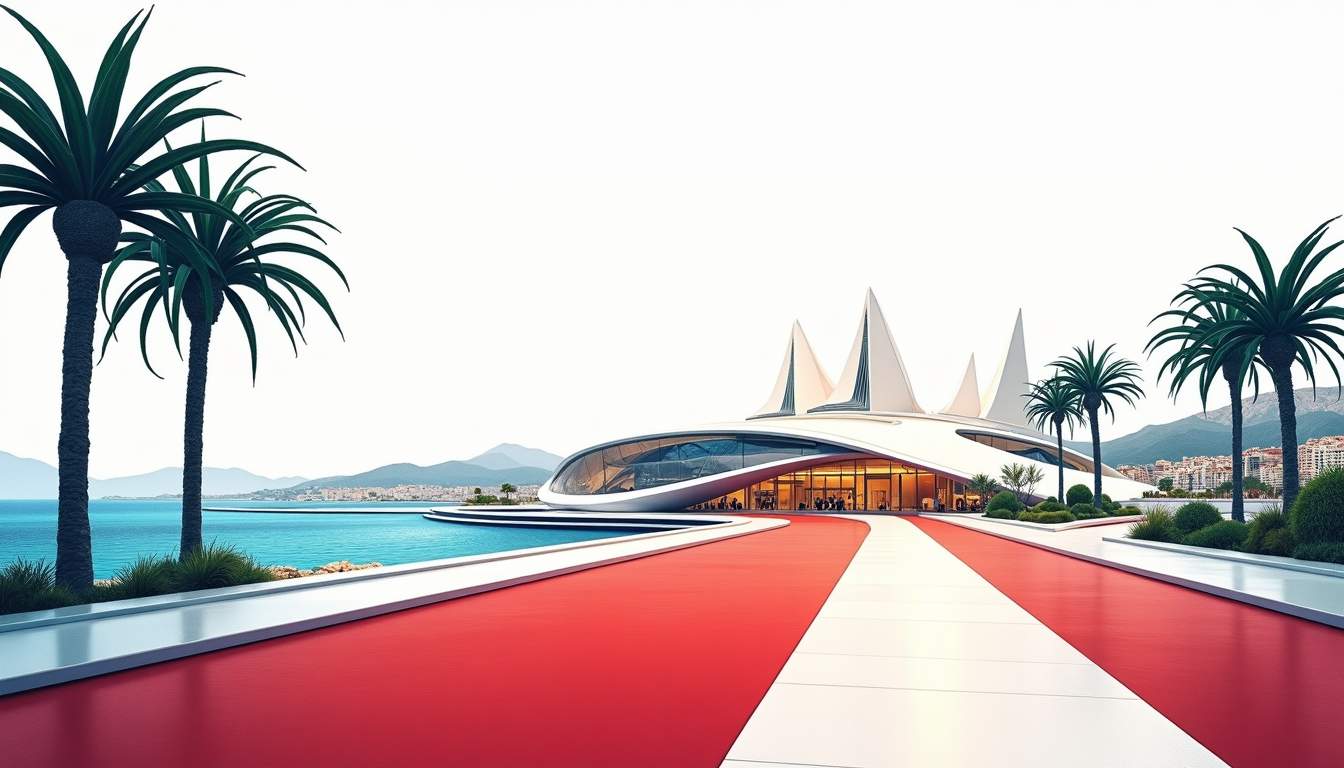
At the same time, Cannes remains committed to fostering human connection and the shared experience of cinema, recognizing that the magic of film lies in its ability to bring people together. This balance between tradition and innovation positions Cannes to remain at the forefront of the French film scene for years to come.
Continuing to Inspire and Lead
The enduring appeal of Cannes lies in its ability to inspire. It challenges filmmakers to dream bigger, audiences to think deeper, and the industry to strive for excellence. As a beacon of French cinema, Cannes will undoubtedly continue to play a pivotal role in shaping the future of film, both in France and globally.
From its storied past to its dynamic present and promising future, Cannes stands as a testament to the power of cinema to captivate, challenge, and connect us all.


