Surgical instruments are the backbone of every operating room, playing a pivotal role in ensuring the success of procedures and the safety of patients. From precise incisions to intricate sutures, these tools allow surgeons to execute their craft with accuracy and care. Understanding the basic surgery tools and their purposes is not only crucial for medical professionals but also enlightening for anyone fascinated by modern medicine.
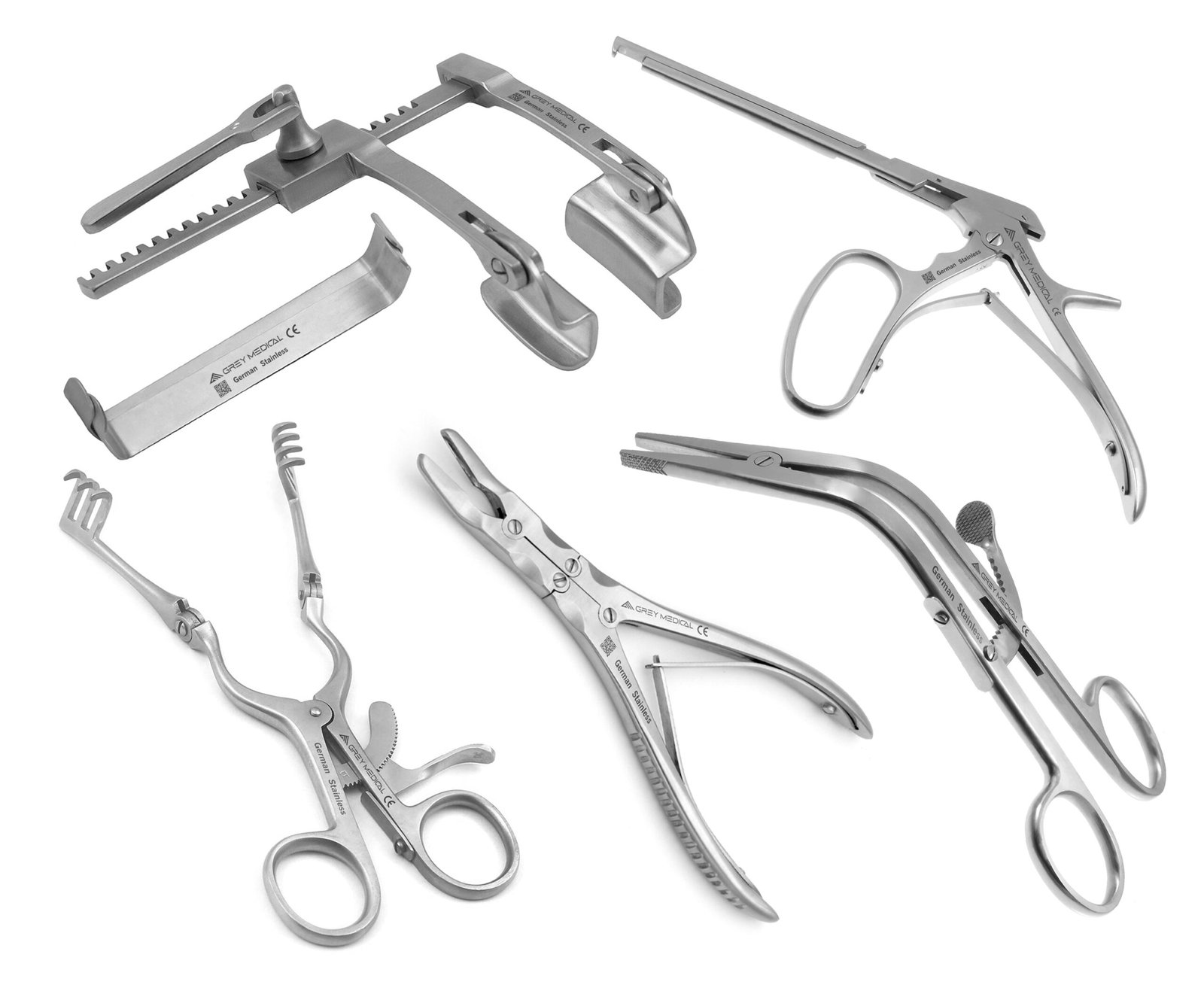
An Overview of Surgical Instruments
Surgical instruments are designed for specific functions such as cutting, dissecting, grasping, holding, retracting, and suturing. Each category features tools crafted with precision and durability, as they must endure sterilization processes and repeated use. These tools are typically made of high-quality stainless steel to ensure they remain sterile and corrosion-resistant.
The design of surgical instruments hasn’t changed much over decades, as their traditional, straightforward functionalities still meet the complex demands of modern surgery. However, advancements in materials and ergonomics continue to refine their effectiveness.
Cutting and Dissecting Tools
One of the primary requirements in many surgical procedures is creating precise incisions or separating tissues. Scalpels, scissors, and dissectors fall into this category.
The scalpel is arguably the most iconic surgical tool. With its sharp, replaceable blades, it allows surgeons to make clean, precise incisions. Modern scalpels often feature ergonomic handles to reduce hand fatigue during lengthy procedures. Surgical scissors, often designed with different blade lengths and angles, are commonly used to cut tissue, sutures, or bandages with precision. These tools vary in size and sharpness depending on the procedure and tissue type being handled.
Dissectors, such as probes and elevators, are designed for blunt dissection, helping surgeons separate and manipulate tissues without cutting. These tools are particularly useful in delicate procedures where preserving surrounding tissue is critical.
Grasping and Holding Instruments
Grasping instruments enable surgeons to stabilize and manipulate tissues or objects during a procedure. Forceps are a prime example of this category, often likened to surgical tweezers. They come in many forms, such as smooth, toothed, or specialized for gripping specific tissues delicately yet securely.
Hemostats, another critical tool, look similar to scissors but have locking mechanisms. These are used to compress blood vessels and control bleeding, highlighting their essential role in maintaining a clear surgical field.
Retractors and Exposure Tools
Retractors are invaluable for holding back tissues and organs, allowing surgeons better visibility and access to the surgical site. They come in manual or self-retaining forms, depending on the procedure’s complexity and the need for hands-free operation. Manual retractors require an assistant to hold them in place, whereas self-retaining versions, equipped with locking mechanisms, remain steady without additional help.
The design of retractors is incredibly varied, with some being specific to certain surgeries, like abdominal or orthopedic procedures. Their role is crucial in ensuring the surgeon can work effectively and with minimal interference.
Suturing and Wound Closure Tools
The final stages of most surgical procedures involve closing incisions to promote healing. This is where suturing instruments such as needle holders and surgical needles come into play. Needle holders assist surgeons in threading and securing sutures with accuracy. These tools often have a locking feature to stabilize the needle during use, ensuring precise placement.
Surgical needles are designed for specific tasks, with varying sizes and shapes to accommodate different types of tissue. From simple interrupted stitches to complex running sutures, these tools allow for optimal wound closures that facilitate recovery and minimize scarring.
The Importance of Sterilization in Surgery
Sterilization is a critical aspect of surgical instrument maintenance, ensuring patient safety by preventing infections. Each tool undergoes rigorous cleaning and sterilization processes, often involving high-pressure steam in autoclaves or chemical disinfectants. Modern sterile packaging ensures instruments remain free from contamination until used, representing an indispensable part of the surgical workflow.
Conclusion
Basic surgical tools are far more than mere instruments; they are extensions of a surgeon’s expertise and precision. By understanding the purpose and functionality of these tools, one gains insight into the meticulous art and science of surgery. These instruments not only signify technological advancement but also demonstrate humanity’s relentless pursuit of healing and life-saving interventions. For medical professionals, mastering their use is a lifelong commitment, while for the curious, they are a window into the fascinating world of