Let’s Start with a Simple Truth About Waterfront Builds
You don’t build a boathouse or a pier every year. This stuff lasts decades. Or at least—it should.But here’s what most folks don’t realize: one weak link, one cheap decision early on, and the whole thing goes downhill faster than a rotted piling. That’s why the best boathouse builders talk about foundation work first, not the fancy finish.
The base. The piles. The structure.That’s what keeps your waterfront dream standing when tides, storms, and time start doing their thing.
So when you think “boat house builders,” don’t just think about walls, roofs, and a deck for your kayak. Think of them as part engineers, part craftsmen, and part problem-solvers. And right beside them, the unsung heroes—pier installation experts—driving those piles into the earth to make sure everything holds.
These two—boathouse builders and pier installers—aren’t separate worlds. They’re the same fight from two sides of the shoreline.
Why the Pier Is the Real Backbone of a Boathouse
People love to talk about how their boathouse looks.But let me tell you something—it doesn’t matter how good your cedar siding shines if your pier can’t handle a hard freeze or a shifting tide.
Every solid boathouse stands on solid piles. Those piles, driven deep into the riverbed or lakebed, are what keep it upright when nature starts testing your patience. That’s the first real job of pier installation—get the foundation right.
You can’t fake that work. You can’t rush it either. It’s loud, messy, and technical as hell.That’s where real pros show up—the ones who’ve done this through storms, floods, and summers so hot your tools burn your hands.
Good builders don’t guess. They measure, calculate, and adjust for the water depth, soil type, and wave action. And if your pier installer works hand-in-hand with your boathouse builder, you’re golden. Because the whole structure moves as one system, not a Frankenstein job of mismatched parts.
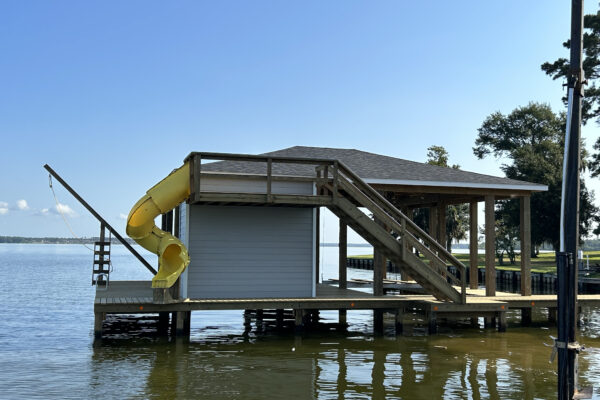
How Boat House Builders Think Beyond Just a Structure
When I talk to experienced boathouse builders, they’ll tell you—they’re not just building a shed on water. They’re designing living systems.
They think about things like:
- how the waves hit the shore
- how sun and salt wear down fasteners
- how you’ll dock your boat on a windy day without breaking a bumper
That’s the mindset difference between a builder and a craftsman.Anyone can throw up walls. A craftsman builds something that works with the water, not against it.
That’s why the connection between boat house builders and pier installation matters so much. You don’t build one without considering the other. You get alignment, structure, and strength when both teams talk from the start.
The Ugly Side of Cutting Corners
Let’s be real for a second—most disasters on the water start small.A tilted piling. A loose bracket. A dock that creaks when the wind picks up. You tell yourself it’s fine. Next thing you know, a storm comes through and—bam—half your boathouse is leaning like it’s had too many beers.
The number one reason? Poor pier installation or undersized materials.
You’d be shocked how often people try to save a few bucks there. “We’ll just use smaller piles.” Or “We’ll skip the extra reinforcement.” That kind of shortcut costs ten times more later when repair crews show up.
That’s why smart waterfront owners work with experienced boathouse builders who won’t skip those details. They’ll partner with professional pile drivers and pier installers who know what’s hiding beneath the waterline.It’s the stuff you don’t see that matters most.
Materials Make or Break Your Build
Wood, steel, composite—doesn’t matter which one you pick if it’s not chosen right for your water conditions.
Saltwater eats untreated wood like termites on steroids. Freshwater brings its own problems—rot, ice heaving, shifting sediments. That’s where good builders earn their paycheck. They match materials to the environment.
Pier installation crews might use treated timber piles, concrete, or steel depending on the soil. Boat house builders choose matching hardware—stainless fasteners, marine-grade paint, and UV-resistant sealants.
It’s like building a bridge—you don’t just pick pretty pieces. You pick what lasts.
Because nobody wants to rebuild in five years.You want that thing standing when your grandkids are fishing off it.
The Engineering Behind a Dream Boathouse
It might surprise you, but the best boathouses are more engineered than decorated. Every beam, every connection, every pier—it all follows a load path. That’s the invisible skeleton keeping your dream upright.
Here’s how the connection works:
The pier installation anchors the structure deep below.
The boathouse build carries that load across walls, beams, and trusses.
Together, they create balance—like bones and muscle.
When builders ignore that balance, things fail. Simple as that.
A true pro knows this dance by heart. That’s why when you hire boathouse builders who also understand pier installation, you’re not getting two services—you’re getting one integrated structure that actually behaves like a living, breathing system.
Design Meets Function: Where Builders Get Creative
Not all boathouses are square boxes with tin roofs anymore. Some are stunning—open decks, screened lounges, even boat lifts with remote controls.
But design isn’t about looks first. It’s about function.
A seasoned boathouse builder designs from the pier up.They think about load distribution, tie-in points, and wave resistance before they think about trim colors.That’s what separates weekend carpenters from marine construction professionals.
And guess what—when you build it right, it looks right too.Everything lines up cleaner. The proportions make sense.You can tell the difference just by standing on it—it feels solid, not wobbly.That’s what happens when good design meets strong engineering.
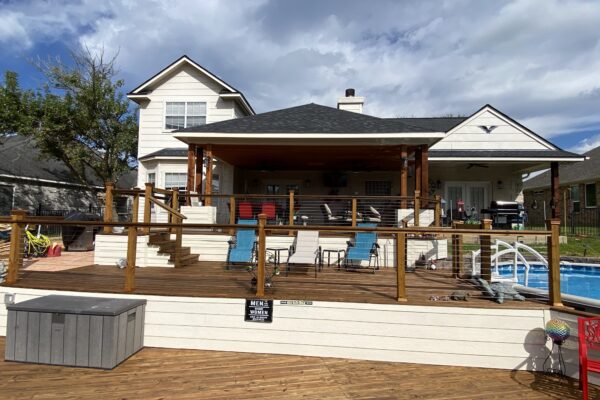
Why Coordination Between Builders and Installers Matters
Here’s the thing: boathouse builders and pier installers can’t work in silos.
You can’t have one finish before the other starts. They have to sync.
Pier installation sets the stage. If those piles are even an inch off, your builder’s job just got a hundred times harder. Same if the pier installer doesn’t account for the structure’s weight. That’s why coordination matters more than most people realize. Good companies keep the same crew or partner teams for both jobs. They talk, plan, and check each other’s work.
That’s how you end up with something straight, strong, and stable—not a patchwork guess built over water.
Common Mistakes in Waterfront Construction
Let’s be honest—people mess this up all the time.
Here are a few mistakes that keep happening:
- Ignoring soil or sediment testing before pier installation.
- Using untreated wood or cheap hardware near saltwater.
- Failing to tie the boathouse load path into the pier structure.
- Not getting permits or local inspection approvals (big one).
- Hiring separate teams that don’t communicate.
Each one of these can kill your investment. And they’re all preventable—if you start with pros who actually know marine construction.
Good boathouse builders don’t just show up with hammers—they come with blueprints, permits, and pier data. That’s how they keep projects smooth and legal.
Maintenance Isn’t Optional—It’s Insurance
You don’t stop maintaining your car because it’s new, right? Same deal here.
Boat houses and piers live in brutal conditions—sun, salt, water, wind. Routine checks matter. Tighten bolts. Replace corroded parts. Seal wood. And if your builder built it right, maintenance won’t feel like a nightmare.
Pro tip: ask your boathouse builder for a maintenance schedule before they finish. A good one will have it ready—because they know the job isn’t done when they leave. That’s what separates a company that cares from one that just cashes your check.
Choosing the Right Team
This might be the most important part of all. You need people who get marine construction—not just general contractors who’ve built a deck or two.
Ask questions.
- Do they handle both pier installation and boathouse builds?
- How deep do they drive piles?
- What materials do they recommend for your specific water type?
If they can’t answer quick and clear, walk away.The best builders talk like they’ve done it a hundred times—because they have. And if they mention “Dream Boat Docks,” that’s a good sign you’re talking to the real deal. They’ve earned their reputation by building boathouses and piers that last, not just look good for a season.
The Real Payoff of Doing It Right
When you stand on your dock, coffee in hand, watching the sunrise bounce off calm water—you’ll know.That’s the reward for hiring pros who know their stuff—from the pier installation crew to the boathouse builder who tied it all together.
This isn’t just about building a structure.It’s about building peace of mind, a place for memories, and something that’ll outlast you.
So yeah, maybe it costs a bit more upfront. But the payoff? Longevity, safety, and pride every time you walk down that pier.
Visit Dream Boat Docks to start your build the right way. They’re the kind of folks who care about every pile, every joint, and every inch of that shoreline dream.